
A swelling wave of civil unrest triggered by Iran’s cratering economy has plunged the country into its most sustained crisis in years, with broad implications for global markets and Middle East geopolitics.
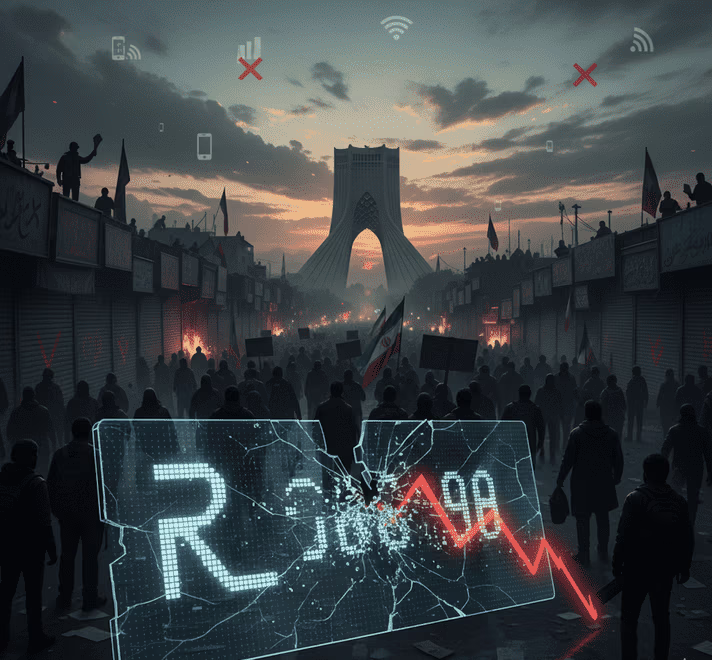
What began in late December with merchant strikes and street protests over the rial’s collapse has escalated into nationwide demonstrations across all 31 provinces, even as the Islamic Republic enforces a near-total internet and phone blackout to stifle reporting and coordination.
Economic Collapse Sparks the Uprising
Iran’s rial has plunged to historic lows, now trading around 1.4-1.45 million to $1, as inflation surpasses 40% and food and fuel costs surge.
The currency crash and hyperinflation followed the United Nations’ reimposition of sanctions in late 2025 over Iran’s disputed nuclear program. These so-called “snapback” sanctions have choked oil revenue, restricted access to global markets, and accelerated capital flight, deepening economic distress.
Inflation has driven up the cost of meat, rice and staples, while the government has rolled back key subsidies, including a preferential dollar exchange rate for most goods. Analysts say these policies have amplified the sense of urgency among consumers already struggling with chronic unemployment, water shortages and utility outages.
From Tehran Bazaar to Nationwide Movement
The unrest began among shopkeepers and merchants in Tehran’s historic Grand Bazaar, a traditional economic bellwether, before spreading rapidly to cities such as Mashhad, Isfahan and Shiraz. Demonstrators initially focused on financial grievances but soon expanded demands to include political reform and broader anti-government chants.
In some areas, protesters have invoked Iran’s exiled Crown Prince Reza Pahlavi, calling for labor strikes and regime change, a rare moment of visible support for the pre-revolution monarchy.
Government Response: Crackdown and Digital Blackout
In an effort to contain dissent, Iranian authorities cut off internet access and disrupted phone networks starting January 8, creating one of the most severe digital blackouts since the nationwide protests of 2019 and 2022. Monitoring groups like NetBlocks confirm that connectivity, including text messaging and mobile data, is heavily restricted, limiting independent verification on the ground.
Rights organizations such as Amnesty International condemn the blackout as a tactic to “hide the true extent of grave human rights violations” while security forces pursue mass arrests and violent crackdowns.
Rising Death Toll and International Alarm
Estimates of casualties vary. Non-governmental groups like the Human Rights Activists News Agency report at least 65 deaths and more than 2,300 arrests, while some independent sources and medical professionals suggest higher figures amid conflicting official data.
International condemnation has grown. Foreign ministers from the EU, Australia, and Canada have condemned the use of lethal force and urged Iran to protect protestors’ rights.
Trump’s Warning and Broader Geopolitical Stakes
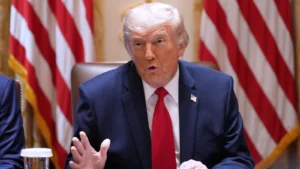
U.S. President Donald Trump has warned Iran that if its security forces kill peaceful protestors, the United States “will come to their rescue,” highlighting U.S. backing for Iranians’ right to protest and heightening bilateral tensions.
This rhetoric has taken on new resonance after American forces captured Venezuelan President Nicolás Maduro, a key Tehran ally, signaling a shift in U.S. pressure on authoritarian networks of influence.
Iran’s regional alliances, its self-described “Axis of Resistance” including militant proxies in Lebanon (Hezbollah), Yemen (Houthis), and Syria, have been weakened amid the broader fallout from the Israel-Hamas war and recent offensives in the region.
Iran’s Nuclear Ambitions and Sanctions Backdrop
Iran maintains its nuclear program is peaceful, but its past enrichment to near-weapons-grade levels and reduced cooperation with the International Atomic Energy Agency have alarmed Western powers and prompted renewed sanctions. U.S. intelligence says Tehran has not yet weaponized but could do so if it chooses.
Efforts at diplomatic negotiations have stalled, and Iran’s partial suspension of cooperation with the IAEA further complicates global efforts to stabilize both security and economic relations.
Why U.S.–Iran relations remain so fraught
Iran was once one of Washington’s closest allies in the Middle East under Shah Mohammad Reza Pahlavi, who bought U.S. weapons and hosted CIA listening posts monitoring the Soviet Union. The relationship unraveled after the CIA-backed 1953 coup that strengthened the shah’s rule and, later, the 1979 Islamic Revolution led by Ayatollah Ruhollah Khomeini.
That year, Iranian students seized the U.S. Embassy in Tehran, triggering a 444-day hostage crisis and the severing of diplomatic ties. During the Iran–Iraq war, the U.S. backed Saddam Hussein and later crippled Iran’s navy during the so-called “Tanker War.” The conflict also saw the U.S. shoot down an Iranian commercial airliner, an incident Washington said was a tragic mistake.
Relations briefly improved with the 2015 nuclear deal, which lifted sanctions in exchange for limits on Iran’s nuclear program. But Trump’s 2018 withdrawal from the agreement reignited tensions that escalated further after Hamas’ Oct. 7, 2023, attack on Israel.
Why it matters for markets and policymakers
Iran’s unrest is more than a domestic story. A collapsing currency, renewed sanctions, weakened regional proxies, and nuclear uncertainty all feed into oil market volatility, geopolitical risk premiums, and broader instability in a region critical to global energy supply.
As protests persist and economic pressure mounts, investors and governments alike are watching to see whether Iran’s leadership can stabilize the economy, or whether the crisis will deepen, with ripple effects far beyond its borders.