

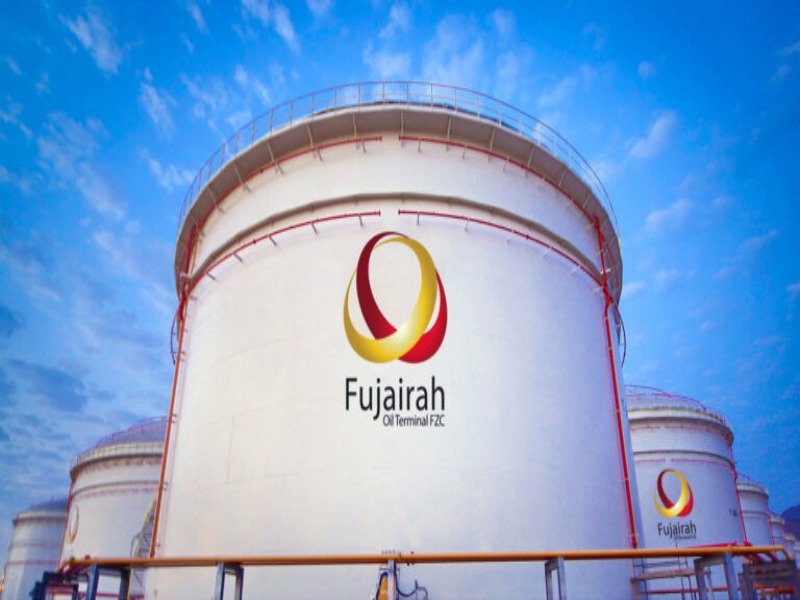
Latest data from the Fujairah Oil Industry Zone published by S&P Global Energy reported that the sales of marine fuel at Fujairah, one of the main refueling centers in the Middle East, dropped approximately 3 percent compared to the previous year to 7.4 million cubic meters (about 7.33 million tons) in 2025.
According to Zhoushan bunker port website, this renders Fujairah the fourth-largest ship bunker center in the world rather than the third, as the Zhoushan port in China overtook it in 2025 when it sold over 8 million tons.
Market sources reported to Reuters that the softer Fujairah volumes were influenced in part by demand diversion to the neighbouring Middle Eastern port Khor Fakkan, where marine fuel was at times being offered at cheaper rates than Fujairah.
The pressure on demand due to geopolitical tensions in the Middle East also took its toll, some sources claimed, with shipowners being wary of navigating the area during times of increased uncertainty. Other refuelling hubs recorded higher volumes; in contrast, reported better volumes last year.
Therefore, the volumes of the bunkers in Singapore reached new peaks in 2025. Although the overall volumes decreased, high-sulphur fuel oils sales increased at least in the fourth consecutive year on the basis of the available FOIZ data, since 2021.
The high-sulphur volumes improved 4 percent between 2024 and 2.22 million cubic meters in 2025, in line with the same trend as with the Singapore hub, with the demand for scrubber-fitted ships remaining strong. These ships can opt to refuel with HSFO as a cheaper alternative.
Meanwhile, the sales of low-sulphur marine fuel declined by 6 percent annually to 5.2 million cubic meters in 2025, considering the low-sulphur fuel oils and marine gasoils.
This would take the market share of high-sulphur bunkers in Fujairah to 30 percent in 2025, as compared to 28 percent in 2024, with low-sulphur bunkers decreasing to 70 percent, as compared to 72 percent in 2024.