

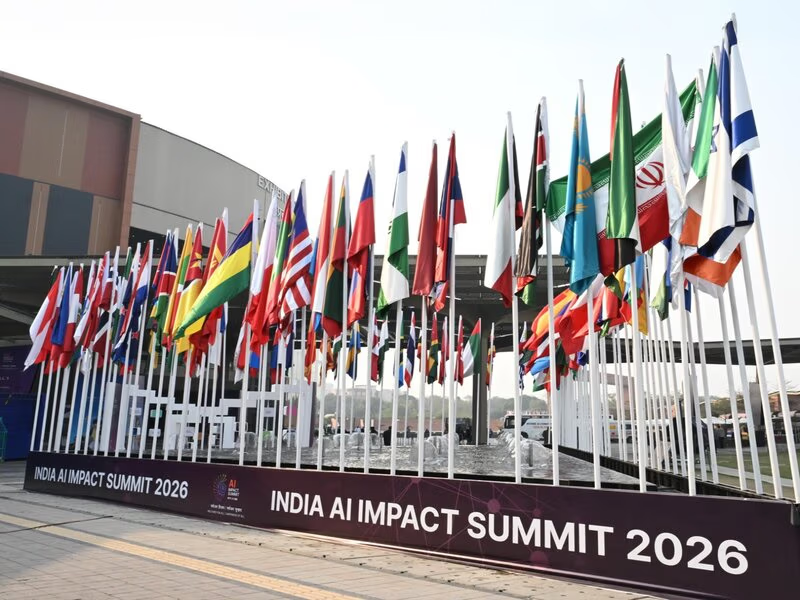
India has taken a central role in shaping the global dialogue on artificial intelligence as the India AI Impact Summit 2026 opened in New Delhi, drawing top technology executives, policymakers, and heads of state from around the world. The five-day event, hosted at the Bharat Mandapam convention complex, marks the first time the summit has been held in the Global South and underscores India’s ambition to be a key player in the future of AI governance, investment, and deployment.

High-profile attendees include chief executives from leading AI and tech companies such as Sundar Pichai of Alphabet’s Google, Sam Altman of OpenAI, and Dario Amodei of Anthropic, alongside global leaders including India’s Prime Minister Narendra Modi and France’s President Emmanuel Macron. The summit brings together innovators, enterprise executives, researchers, and government representatives to explore how AI can be harnessed responsibly for inclusive growth across sectors, including healthcare, education, agriculture, and governance.
Investment, Innovation, and Global Collaboration
India has positioned the summit as a platform not just for policy discussion but for large-scale investment and infrastructure commitments. Tech giants participating in the summit have collectively pledged more than $68 billion in AI and cloud infrastructure investment in India through 2030, signalling confidence in the country’s digital ecosystem and expanding market potential.
OpenAI CEO Sam Altman highlighted India’s significant role in global AI adoption, noting that the country has become one of the largest user bases for generative AI tools worldwide, with tens of millions of weekly active users. This level of engagement underscores India’s rapid pace of digital adoption and positions it as a strong candidate for leadership in AI implementation, especially in emerging and developing markets.
Agenda and Global Priorities
The summit’s agenda spans a wide range of topics, from economic opportunities and workforce transformation to ethical and regulatory frameworks. Delegates are expected to discuss issues such as AI safety, governance, equitable access, job market impacts, and inclusive innovation, with an emphasis on building a shared, collaborative approach across national and regional boundaries.
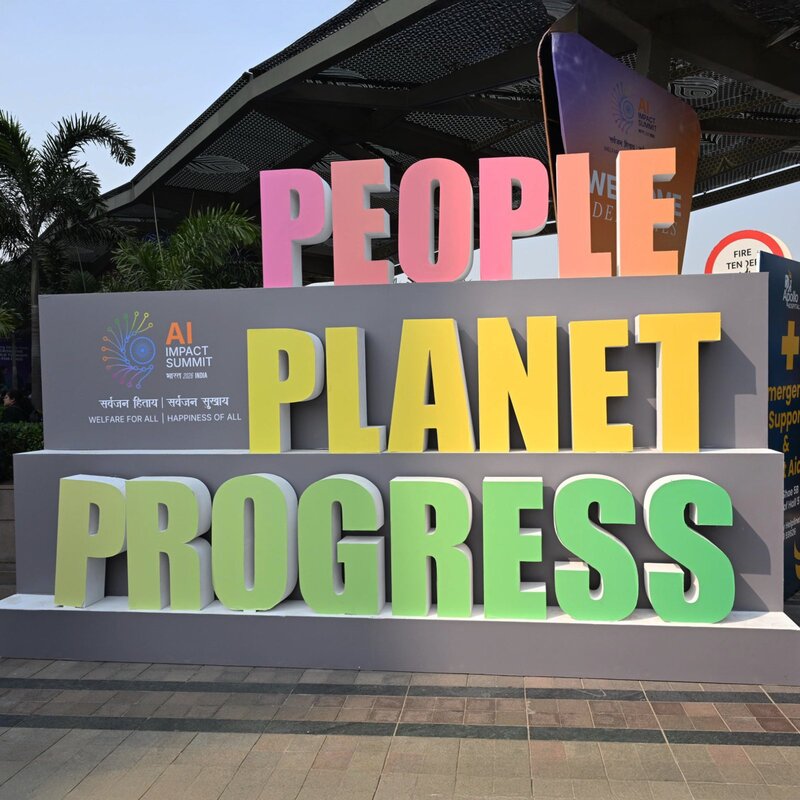
India’s Prime Minister Narendra Modi framed the summit as a pivotal moment for global cooperation on AI, highlighting the need to develop technology that delivers “welfare for all” and reinforces human-centred values in innovation. Leaders also emphasised the importance of aligning AI development with social infrastructure, economic growth, and digital public platforms.
Strategic Implications
For policymakers and investors, the summit highlights how AI is transitioning from niche technology to a mainstream economic driver with global policy implications. India’s hosting of this summit reflects its strategic intent to shape AI governance frameworks that reflect both the interests of major tech hubs and the needs of developing economies. Observers see the event as a pivotal convergence of capital, policy, and innovation, signalling a new phase in how nations collaborate on the future of intelligent technology.
As discussions unfold, commitments from both public and private sectors are expected to influence not only investment flows but also regulatory approaches and workforce strategies across Asia, the Middle East, Africa, and beyond.