US-Iran tension has entered a sharper phase as the United States increases the movement of military aircraft and support systems toward the Middle East, underscoring heightened readiness while diplomatic negotiations remain unresolved.
Recent flight-tracking activity and defence monitoring reports indicate that heavy airlift platforms, including C-5M Super Galaxy cargo aircraft, have been deployed to transport equipment and provide logistical support closer to the region. These aircraft are typically used to move large military hardware and sustain forward operating capabilities.
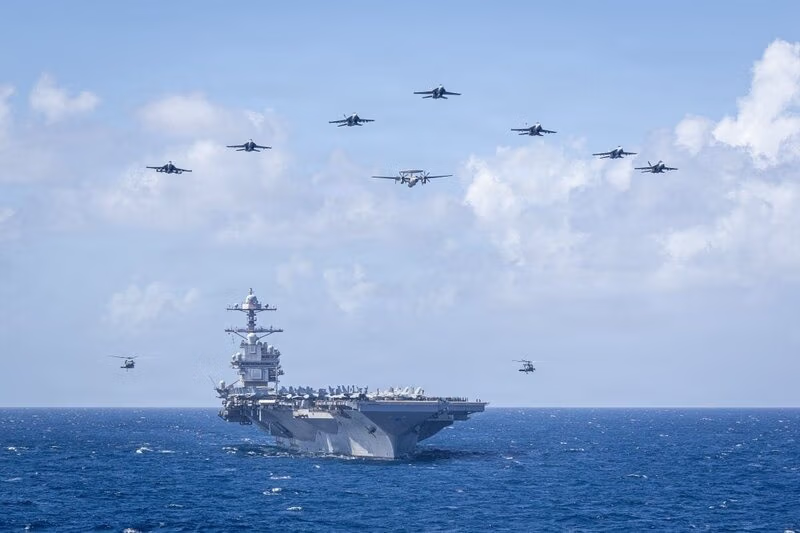
Alongside transport aircraft, aerial refuelling tankers have been repositioned to extend the operational range of combat jets. Tanker deployments are a critical component of any sustained air presence, allowing aircraft to operate without relying solely on fixed regional bases. Airborne surveillance and coordination platforms have also been observed operating within reach of Gulf airspace, strengthening command and control capabilities.
Naval forces remain active in regional waters, with US surface vessels maintaining patrol patterns in key maritime corridors. The Gulf region’s proximity to major global energy shipping lanes means that any military posture adjustment carries broader strategic implications.
The current increase in deployments follows stalled diplomatic engagement between Washington and Tehran over nuclear and regional security issues. US officials have reiterated that negotiations remain the preferred route, yet the repositioning of logistics and support infrastructure suggests preparation for multiple contingencies.
From a strategic standpoint, such deployments serve dual purposes. They serve as a deterrent signal to adversaries while reassuring regional allies of the US’s continued commitment. Defence analysts note that heavy cargo aircraft and refuelling assets are typically among the first elements mobilised during periods of elevated tension because they provide flexibility without immediately escalating to frontline combat operations.
Tehran has issued warnings regarding potential responses should hostilities emerge, adding to the rhetorical intensity surrounding the standoff. However, neither side has made a formal declaration of military action.
Beyond the immediate security dimension, US-Iran tension is closely watched by global energy markets. The Middle East remains central to crude oil supply routes, and any deterioration in relations could influence shipping insurance costs, energy pricing, and investor sentiment.
For now, the situation reflects calibrated positioning rather than declared conflict. Military readiness and diplomatic messaging are unfolding in parallel, with both governments navigating a complex balance between negotiation and deterrence.