

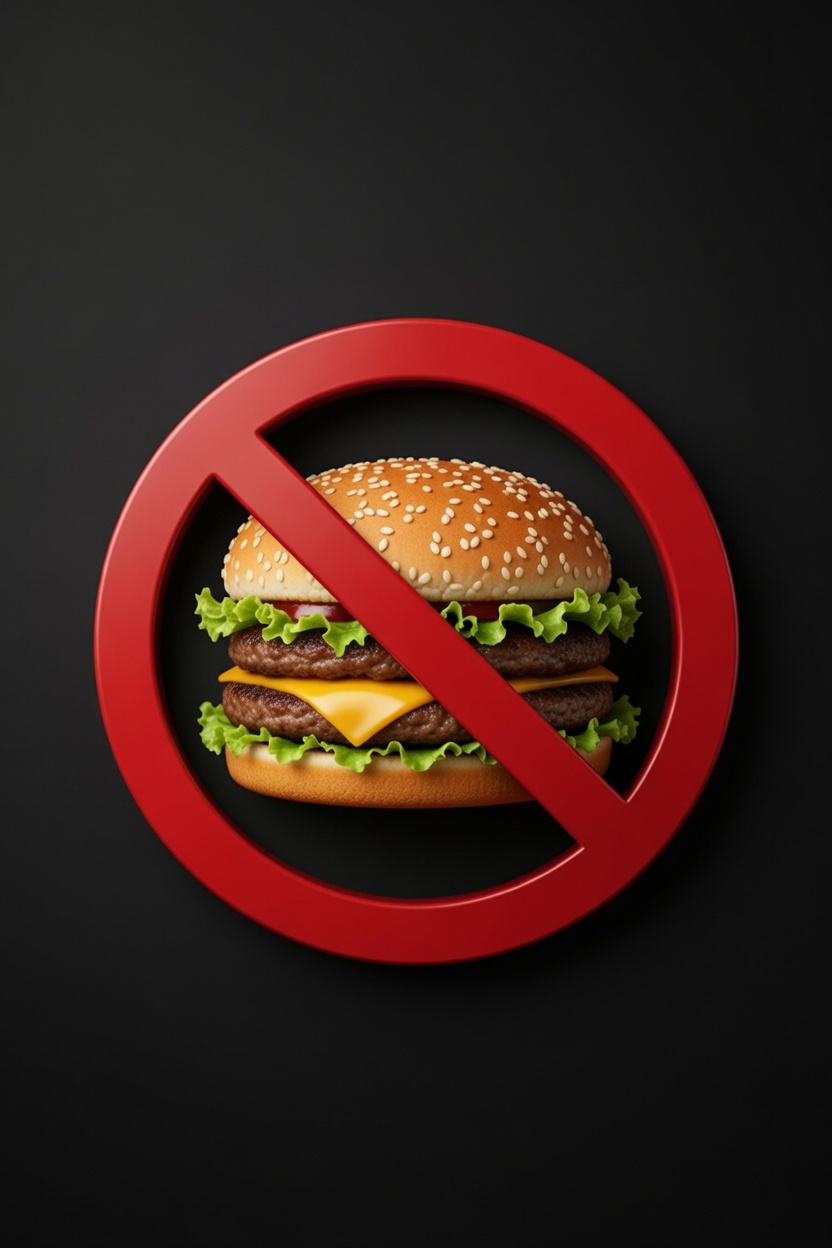
The Abu Dhabi Junk Food Advertising Ban is now officially in force across the emirate, eliminating outdoor promotion of unhealthy food and beverage products. From major highways to busy city streets, advertisements for high-sugar drinks, fried meals, and processed snacks have largely disappeared. The decision reflects a broader public health transformation in which authorities are redesigning the urban environment to support healthier lifestyles.
Introduced by the Department of Health – Abu Dhabi, the regulation is part of the wider Healthy Living Abu Dhabi initiative, a multi-year programme aimed at reducing lifestyle-related illnesses.
What the Ban Covers
The regulation focuses strictly on outdoor advertising formats. It does not interfere with sales or indoor promotions. The following platforms are now restricted for unhealthy food marketing:
• Roadside billboards
• Digital outdoor screens
• Street furniture panels
• Bus shelters
• Taxi branding
• Delivery vehicle advertisements
• Other public-facing outdoor media
Unhealthy food and beverage products can no longer appear in these spaces if they fail to meet approved nutritional standards.
SEHHI Grading System Determines Compliance
The Abu Dhabi Junk Food Advertising Ban relies on the SEHHI nutritional profiling system to classify products. This grading framework assigns foods to categories based on their sugar, salt, and fat content.
Advertising permissions are structured as follows:
• Grade A products – Allowed
• Grade B products – Allowed
• Grade C products – Prohibited
• Grade D products – Prohibited
• Grade E products – Prohibited
Many popular fast food burgers, sugary beverages, and heavily processed snacks fall into the restricted categories. Importantly, the policy also prevents brand-only advertising. Companies cannot display logos without featuring a specific product that meets the required nutritional grade.
Why Children Are Central to the Policy
Health authorities have repeatedly emphasised that children and adolescents are especially vulnerable to persuasive food marketing. Research shows repeated exposure to junk food messaging shapes long-term consumption habits.
The advertising restrictions complement existing measures, such as:
• School canteen nutrition standards
• Monitoring of packed school lunches
• Restrictions on unhealthy food deliveries to educational institutions
• Community fitness initiatives
Officials argue that reducing exposure in daily environments supports healthier behavioural patterns from a young age.
What the Policy Does Not Restrict
To clarify the scope, the Abu Dhabi Junk Food Advertising Ban does not prohibit:
• The sale of fast food
• Indoor advertising inside malls or restaurants
• Television commercials
• Most online marketing platforms
The regulation specifically targets visibility in public outdoor spaces where repeated exposure can influence impulse decisions.
Industry Implications and Market Adjustment
The food and advertising sectors must now adjust their strategies. Companies operating in Abu Dhabi are expected to respond in several ways:
• Reformulating recipes to achieve higher SEHHI grades
• Highlighting healthier menu items
• Shifting marketing budgets toward digital channels
• Investing in clearer nutritional labelling
Health advocates view this as an opportunity for innovation rather than restriction. The regulation may encourage businesses to compete on product quality rather than visual dominance.
A Shift Toward Preventive Health
The Abu Dhabi Junk Food Advertising Ban signals a bigger change in public health governance. Rather than focusing solely on treating illness, policymakers are intervening earlier by reshaping environmental triggers. Modern working life leaves residents with limited time to evaluate nutritional information. By reducing the visibility of unhealthy food in high-traffic areas, authorities aim to make healthier choices easier during busy routines.
The strategy rests on four pillars of wellbeing:
• Physical activity
• Diet improvement
• Mental health
• Sleep quality
The advertising ban strengthens the diet component within this broader preventive framework.
Policy Review and Long-Term Health Impact Assessment
The policy is scheduled for formal review in 2028. Authorities will likely assess:
• Compliance levels
• Industry adaptation
• Public response
• Impact on obesity and diabetes indicators
Future adjustments may refine or expand the scope depending on measurable health outcomes.
A Strategic Redesign of Public Space and Health Priorities

The Abu Dhabi Junk Food Advertising Ban represents a structural intervention in the use of public space. It does not remove consumer choice, nor does it criminalise fast food consumption. Instead, it recalibrates exposure. In a rapidly developing city known for commercial vibrancy, the decision reflects a conscious balance between economic activity and long-term population health. Whether the full health impact becomes visible in the coming years remains to be measured, but the direction is clear. Abu Dhabi is prioritising prevention over passivity and redesigning its advertising landscape to support sustainable wellbeing.