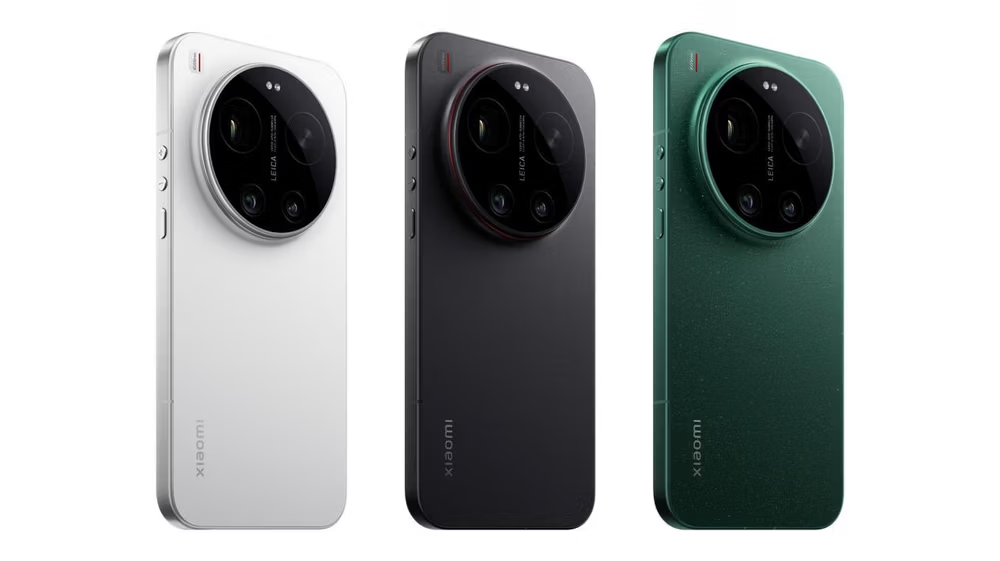
Xiaomi has launched its latest flagship smartphones, the Xiaomi 17 and Xiaomi 17 Ultra, even as a sharp rise in global memory chip prices threatens to pressure margins and weigh on broader smartphone sales.
The Xiaomi 17 series represents the company’s premium offering designed to compete with high-end rivals such as Samsung Electronics and Apple. The Xiaomi 17 starts at 999 euros, while the Xiaomi 17 Ultra is priced from 1,499 euros. Notably, Xiaomi has kept pricing in line with last year’s flagship models despite mounting component costs.
The launch comes at a challenging time for the smartphone industry. According to Counterpoint Research, memory chip prices have surged between 80 percent and 90 percent in the first quarter of the year. The spike has been driven by supply constraints as chipmakers prioritise high-margin demand from data centres supporting artificial intelligence workloads.
Memory is one of the most expensive components in modern smartphones, and sustained cost increases are raising concerns about price inflation across the sector. Gartner has forecast that global smartphone prices could rise by 13 percent in 2026 if current trends persist. Meanwhile, International Data Corporation expects global smartphone shipments to decline by 12.9 percent next year due to the ongoing chip crunch.
Xiaomi just launched the 17 Ultra, a powerhouse co-developed with Leica. 📸✨️
— PCMag (@PCMag) February 28, 2026
It features a trio of rear cameras – including a 200MP optical zoom telephoto – and a 6.9-inch AMOLED display. Powered by the Snapdragon 8 Elite Gen 5, it runs Android 16 with Hyper AI OS. 🔥… pic.twitter.com/VmRaQO6zlP
Analysts suggest that brands with strong premium portfolios are better positioned to absorb higher costs. Xiaomi, currently the world’s third largest smartphone vendor, generates much of its shipment volume from mid-range devices. That segment is generally more price-sensitive, meaning any upward adjustment in retail prices could damp demand.
Industry observers note that companies such as Apple and Samsung benefit from higher premium market share, allowing them to offset thinner margins in entry-level devices. Xiaomi’s comparatively smaller presence in the ultra-premium segment may limit its ability to fully cushion the impact of rising memory costs.
Company executives had previously indicated that industry-wide price increases in 2026 could become unavoidable if component inflation remains elevated. Analysts expect low- to mid-tier devices to be the most vulnerable to potential price hikes.
Beyond smartphones, Xiaomi has been expanding its electric vehicle business in China, which now accounts for roughly a quarter of total revenue. While smartphone revenue declined 3 percent year-on-year in the September quarter, sales from its electric car segment surged nearly 200 percent, providing an important growth offset amid hardware market pressures.
The Xiaomi 17 launch underscores the company’s ambition to strengthen its position in the premium smartphone segment while navigating a volatile supply chain environment. The coming quarters will test whether flagship demand can remain resilient as rising memory costs reshape the economics of the global smartphone market.