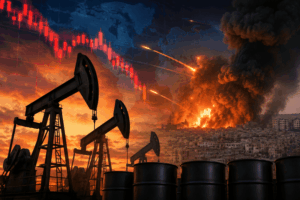

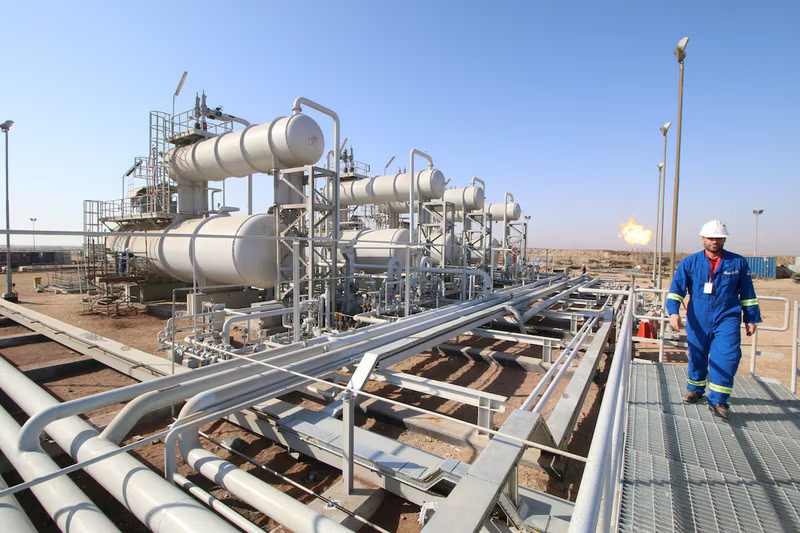
Iraq has halted production at the Rumaila oil field, the country’s largest and one of the world’s biggest oilfields, after export operations were severely disrupted by the effective closure of the Strait of Hormuz amid escalating regional tensions. Multiple reports indicate that output at Rumaila was suspended or sharply reduced on 3 March as storage facilities reached critical capacity and tankers were unable to reach southern ports for loading due to the disruption of maritime routes. This situation has contributed to the shutdown of the Rumaila Oil Field.
Local oil sources and Iraqi officials told Reuters that production from Rumaila had fallen by hundreds of thousands of barrels per day as export capacity was constrained by the Strait of Hormuz situation, with linked cuts also reported at fields such as West Qurna 2. The Ministry of Oil warned that Iraq could be forced to cut more than 3 million barrels per day of output if tankers remain unable to transit the waterway and access export terminals, underscoring the extent to which Iraqi crude export operations depend on uninterrupted shipping through the strait. The Rumaila Oil Field Shutdown highlights these challenges.
The disruption comes as a result of escalating conflict in the Middle East, with hostilities involving Iran and other regional actors prompting threats and practical closures of the Strait of Hormuz, through which roughly one-fifth of the world’s daily oil supply transits. The effective halt in tanker traffic has caused storage at Basra ports to fill rapidly, leaving producers with limited options to move crude to global markets. The shutdown of the Rumaila Oil Field is a significant consequence of these developments.
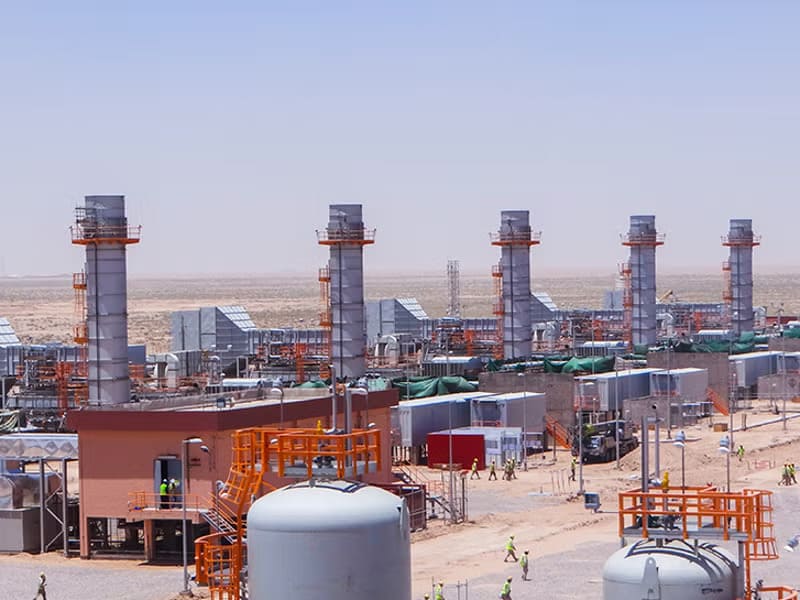
The suspension of production at Rumaila may have significant consequences for Iraq’s oil-dependent economy, which relies on energy exports for the bulk of national revenue. By cutting output at a field that previously produced more than a million barrels per day, Baghdad faces revenue losses and storage logistics challenges if conditions persist. If alternative export routes cannot compensate, the strain on Iraq’s energy sector and broader fiscal position could deepen.
Analysts say that the interruption at Rumaila exemplifies how regional geopolitical upheaval and maritime insecurity can quickly ripple through global energy markets, contributing to price volatility and supply chain concerns. With the Strait of Hormuz chokepoint at the centre of the crisis, oil producers and trading houses are reassessing supply routes; insurance risk premiums have surged; and global markets have responded with heightened volatility.
Iraq’s decision to halt operations at Rumaila underscores the link between geopolitical escalation and energy security, raising questions about broader implications for oil markets and investor confidence if the disruption continues. Reports also indicate that authorities will monitor storage levels and export conditions closely before determining the pace of any restoration in production.