
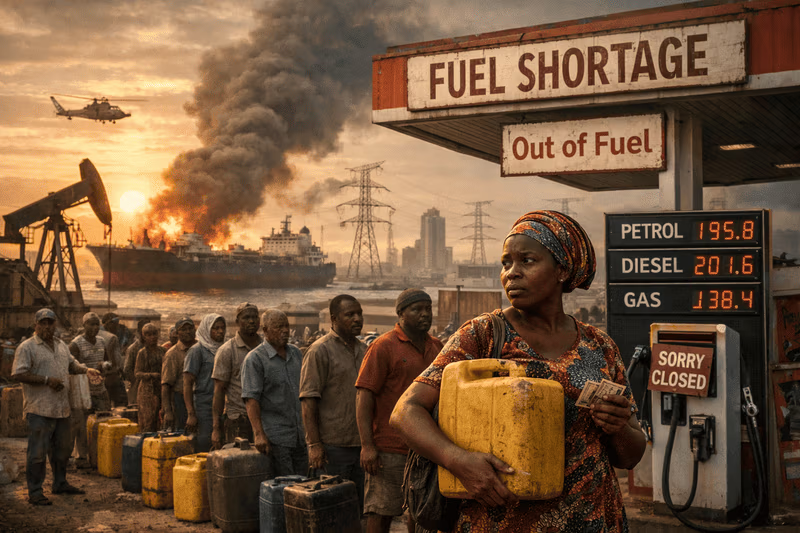
African economies are grappling with a worsening energy crisis, often referred to as Africa’s Energy Crisis, as the ongoing war in Iran disrupts global fuel supplies, exposing the continent’s heavy dependence on imported petroleum and fragile supply chains.
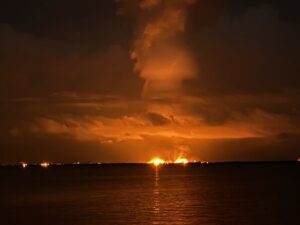
The conflict has sharply reduced global oil availability and disrupted shipping routes, particularly through the Strait of Hormuz, a critical artery for energy flows. Analysts estimate that nearly a fifth of global oil and gas supply has been affected, triggering price spikes and supply shortages across multiple regions, exacerbating Africa’s Energy Crises.
For many African nations, which rely heavily on imported refined fuels, the impact has been immediate. Rising crude prices have led to higher domestic fuel costs, heightened inflationary pressures, and currency strain, particularly in economies with limited fiscal buffers, all of which contribute to Africa’s Energy Crises.
A fuel shortage and a surge in petrol prices in Mogadishu are forcing tuk-tuk drivers in Somalia’s capital to park their vehicles and abandon the work that has long sustained thousands of families https://t.co/ciyeELHO1M pic.twitter.com/1HsrQvfNzF
— Reuters (@Reuters) March 26, 2026
The crisis has also exposed structural vulnerabilities in Africa’s energy systems. Limited refining capacity and dependence on external suppliers mean that disruptions in global markets quickly feed into local shortages, affecting transport, power generation, and industrial activity.
In some countries, governments have been forced to consider emergency measures, including fuel subsidies, rationing, and strategic stock releases, to cushion the economic impact and maintain supply stability.
The broader global backdrop has compounded the situation. The Iran conflict has already pushed oil prices sharply higher and disrupted production and logistics across key energy hubs, with ripple effects being felt from Asia to Europe and Africa.
Industry observers warn that prolonged disruptions could have deeper consequences for African economies, including slower growth, higher import bills, and increased fiscal pressure, particularly for oil-importing nations.
The situation also underscores a longer-term challenge for the continent, the need to diversify energy sources and strengthen domestic refining and storage capacity to reduce vulnerability to external shocks.
For now, Africa’s energy outlook remains closely tied to developments in the Middle East, with the trajectory of the Iran conflict expected to play a decisive role in shaping fuel availability, pricing, and economic stability in the months ahead.