

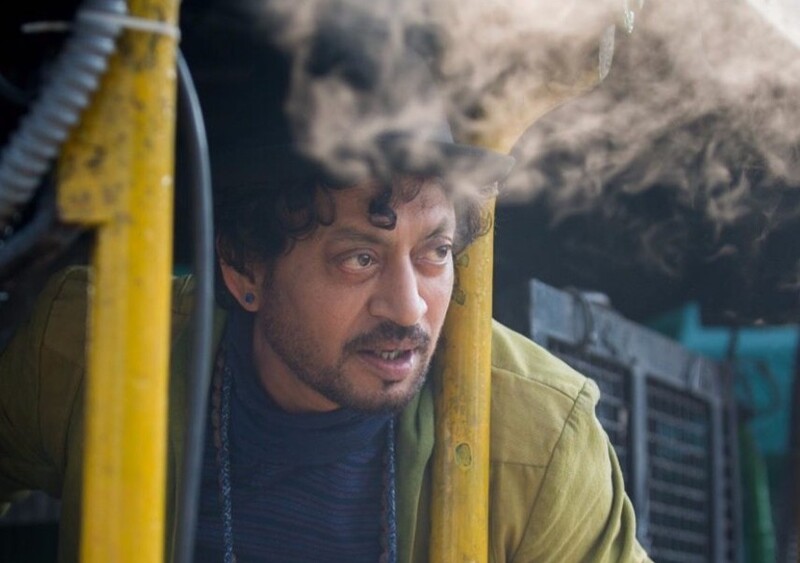
Few actors have left behind a legacy as quietly powerful and universally admired as Irrfan Khan. On his death anniversary, audiences across the world find themselves returning not just to his films but to the emotions he brought to life, the silences he filled, and the rare authenticity that defined his craft.
In an industry often driven by spectacle, Irrfan stood apart. He did not rely on grand gestures or dramatic excess. Instead, he built characters from the inside out, allowing vulnerability, restraint, and nuance to take center stage. Whether he played a grieving father, a conflicted lover, or a man caught between worlds, his performances felt deeply human, almost uncomfortably real.
The Art Of Saying More With Less
What set Irrfan apart was his ability to communicate without saying much at all. A glance, a pause, a subtle shift in expression, these became his tools. In The Lunchbox, he transformed an ordinary office worker into a deeply moving portrait of loneliness and connection. The film’s quiet storytelling found its emotional core in his understated performance, making it one of the most beloved modern Indian films.

Similarly, in Paan Singh Tomar, he delivered a career-defining performance, bringing to life the journey of an athlete-turned-rebel with raw intensity. The performance earned him widespread acclaim and showcased his ability to inhabit a character completely without sacrificing emotional depth.
A Bridge Between Worlds
Irrfan was one of the few Indian actors who seamlessly crossed over into international cinema without losing his identity. In Life of Pi, his presence anchored a visually grand narrative, while films like The Namesake and Slumdog Millionaire introduced him to global audiences.
Yet, even in Hollywood, he never became a stereotype. Instead, he brought the same quiet intensity and individuality to every role, making his characters memorable regardless of screen time.
Beyond Stardom
What made Irrfan truly unique was his relationship with fame. He was never chasing it. There was a groundedness to him, both on and off screen, that made him relatable despite his extraordinary talent.
His interviews often reflected a philosophical outlook on life and art. He spoke about acting not as a performance, but as an exploration of truth. This perspective translated into roles that felt lived-in rather than performed.
A Legacy That Endures
Years after his passing, Irrfan’s work continues to resonate with new audiences discovering his films for the first time. His performances have aged not as relics of a moment, but as timeless studies of human emotion.
In an era where content is consumed rapidly and often forgotten just as quickly, Irrfan’s work remains a reminder of what cinema can be at its best: honest, layered, and deeply moving.
His legacy is not just in the films he left behind, but in the standard he set. A standard where storytelling matters more than stardom, where authenticity outweighs spectacle, and where silence can be as powerful as dialogue.
As audiences revisit his most loved roles, one thing becomes clear: Irrfan Khan was not just an actor. He was an experience.