Africa’s economies are projected to expand by 4.2% in 2026 despite rising geopolitical tensions, tighter global financial conditions, and continued supply chain disruptions, according to the latest African Economic Outlook report.
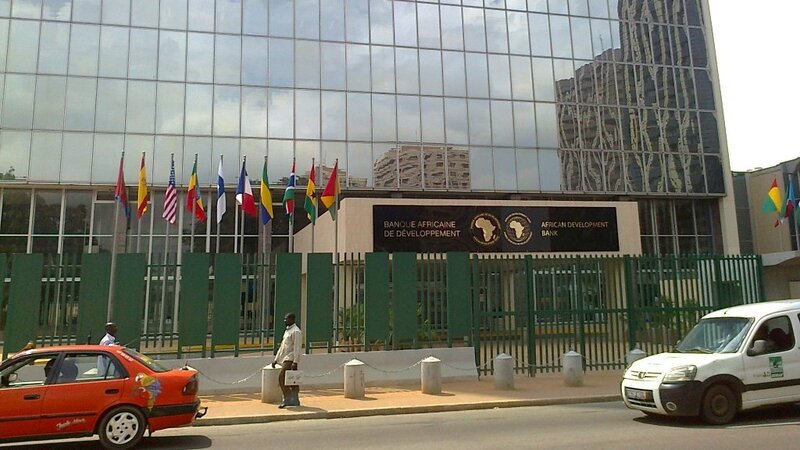
The report, released during the annual meetings of the African Development Bank Group in Brazzaville, forecasts a slight moderation from the estimated 4.4% growth recorded in 2025 before a recovery back to 4.4% in 2027.
According to the bank’s flagship economic assessment, Africa’s growth momentum in 2025 was supported by improved macroeconomic management, stronger agricultural output, elevated commodity prices, and continued structural reforms across several economies.
The report said the continent remains among the world’s fastest-growing regions, with 22 African countries expected to record growth above 5% in 2025.
Published under the theme “Mobilizing Africa’s Development Financing at Scale in a Fragmented World,” the report stressed that sustaining faster and more resilient growth would require a major expansion in development financing and capital mobilisation across the continent.
The bank called for stronger domestic resource mobilisation, deeper financial integration, expanded capital markets, and increased African representation within the global financial system.
Regional Outlook
East Africa is expected to remain the continent’s fastest-growing region, although growth is forecast to slow from 6.6% in 2025 to 5.9% in 2026 due to rising energy and import costs linked to Middle East disruptions. Growth is projected to rebound to 6.4% in 2027.
West Africa is projected to maintain relatively stable growth at 4.7% in 2026, broadly unchanged from 4.8% in 2025, supported by infrastructure investment and strong agricultural production.
Growth in North Africa is expected to ease to 4.0% in 2026 from 4.4% in 2025 amid weaker tourism demand from Gulf countries and broader supply chain disruptions.
Central Africa is among the few regions forecast to record slightly stronger growth, rising to 3.8% in 2026 from 3.6% in 2025, supported by elevated oil prices.
Meanwhile, Southern Africa is expected to remain the slowest-growing region, with growth projected at 2.1% in 2026 compared with 2.3% in 2025, weighed down by weaker mining output, softer agricultural production, and higher energy costs.
Economists said the outlook reflects Africa’s growing resilience despite increasing external shocks, though long-term growth will depend heavily on infrastructure investment, access to financing, and policy reforms aimed at improving productivity and economic diversification.
With inputs from WAM