

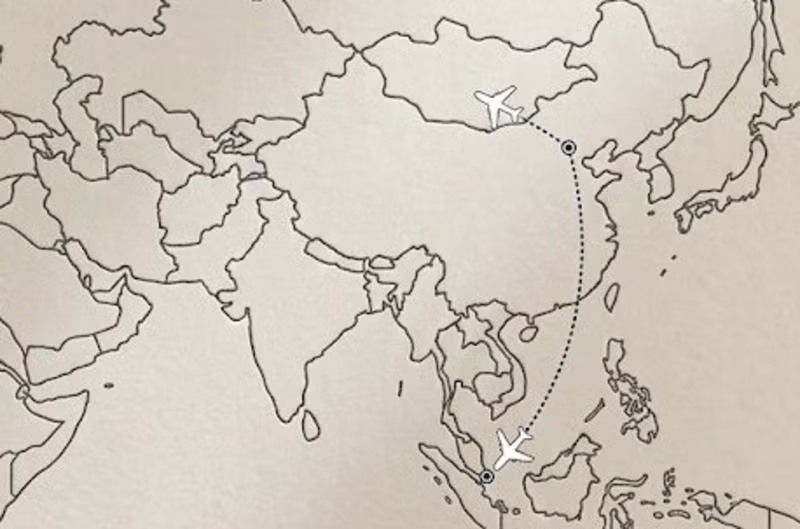
Asia travel 2026 is set to change in many ways as several countries update entry requirements, visa policies, and tourist fees to manage growing visitor numbers. Asia remains one of the most popular global destinations for tourists in 2026, but several countries have updated their entry requirements, visa policies, digital systems, and tourist fees to manage growing visitor numbers, improve security, and make travel smoother. Whether you’re planning a beach holiday, cultural tour, or digital‑nomad adventure, this comprehensive guide breaks down the important rule changes for 2026, what they mean, and how they affect your travel planning.
1. Asia Travel 2026: Thailand: Tourist Entry Fee and Stricter Visa Rules
Thailand has continued evolving its tourism policies into 2026 as part of efforts to both sustain visitor numbers and protect localities from over tourism and misuse of tourist visas.
- Tourist Entry Fee (2026): Thailand planned a 300‑baht (≈ AED 26–30) tourist entry fee to be charged to all international arrivals starting in 2026. The fee is designed to support tourism infrastructure, emergency services, and visitor insurance funding.
- Digital Arrival Requirements: The Thailand Electronic Travel Authorization (ETA) / Digital Arrival Card (TDAC) has been mandated for most visitors. This system pre‑screens travelers before arrival, streamlines immigration, and replaces the old paper TM6 arrival card.
- Visa Rule Tightening: In late 2025, Thailand also introduced stricter rules around tourist visa extensions and “border run” practices, limiting the number and duration of visa extensions to curb misuse.
These measures are part of Thailand’s strategy to balance open tourism with security and quality control, ensuring that the influx of travelers contributes positively to the economy without overwhelming local infrastructure.

AI-generated illustration
2. Asia Travel 2026: Indonesia (Including Bali): Tourist Levy and Digital Entry Permits
Indonesia, especially Bali, continues to refine its approach to international tourism in 2026:
- Bali Tourist Levy: Since February 2024, Bali has had a 150,000 IDR (≈ AED 35) tourist levy payable before arrival or at the airport. The levy funds environmental protection, cultural preservation programs, and tourism infrastructure improvements across the island.
- Electronic Entry Permits: Indonesia has also implemented mandatory digital entry permits (similar to ETA) to improve border control and streamline the arrival process, aligning its digital systems with countries such as Thailand and South Korea.
These changes aim to boost tourism quality, safety, and long‑term sustainability, while helping Indonesia handle increased visitor numbers more effectively.

AI-generated illustration
3. Asia Travel 2026: Japan: Hotel Taxes & Entry Processing Changes
Japan’s tourism strategy in 2026 focuses on managing overtourism at key destinations and improving entry processes.
- Kyoto Hotel Tax: Starting in March 2026, Kyoto will implement a tiered hotel tax, ranging from around ¥200 (~AED 4) per night for budget accommodations to ¥10,000 (~AED 240) per night for luxury stays. The tax revenue will help preserve historic sites, fund transportation upgrades, and manage visitor flows in famously crowded areas.
- Visa Appointment System: Japan is introducing a mandatory online visa appointment system for travelers applying in certain countries starting in March 2026. This aims to reduce visa processing delays and make demand more manageable for consulates.
These changes reflect Japan’s efforts to grow tourism while maintaining high service standards and protecting cultural heritage.

AI-generated illustration
4. Asia Travel 2026: South Korea: Expanding Visa Exemptions and Pilots
South Korea’s 2026 tourism plans include several key visa relaxations and growth initiatives:
- Visa‑Free Group Entry for Chinese Tourists: A pilot program launched on 29 September 2025 allows visa‑free entry for Chinese tourist groups (3+ people) for up to 15 days, running through mid‑2026.
- Expanded Automated Gates & Digital Authorization: South Korea continues to expand automated immigration gates and digital travel authorizations like K‑ETA, simplifying entry for eligible visitors while maintaining entry screening.
- Multiple‑Entry Visas & Fee Waivers: Tourists from China, India, Indonesia and several other markets can now access multiple‑entry visas and waived visa fees if they meet certain conditions — a strategy aimed at supporting South Korea’s goal of welcoming up to 30 million foreign visitors by 2030.
Together, these initiatives make South Korea more accessible to travelers from key markets and help spread tourism beyond Seoul into other regions.

AI-generated illustration
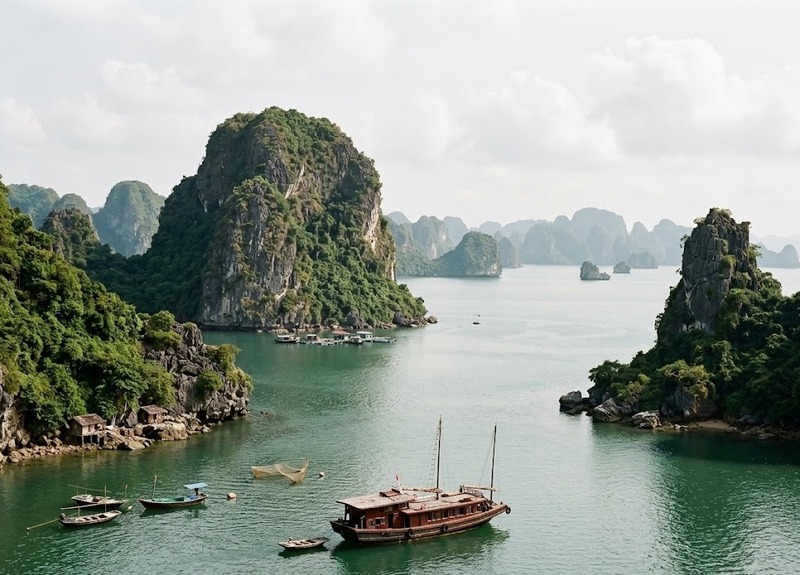
5. Asia Travel 2026: Vietnam: Long‑Term Visa and E‑Visa Improvements
Vietnam has also pushed forward visa reforms that impact travel in 2026:
- E‑Visa Enhancements: The Vietnam e‑visa system now covers citizens from all countries with stays of up to 90 days, with both single and multiple entries permitted.
- Extended Visa Waivers: Under updated policies, visa‑free stays for citizens of select countries have been extended through March 2028, allowing longer stays without additional paperwork.
These reforms simplify travel planning and make Vietnam a more attractive destination for both short visits and extended stays, especially for travelers from Europe and other long‑haul markets.
AI-generated illustration
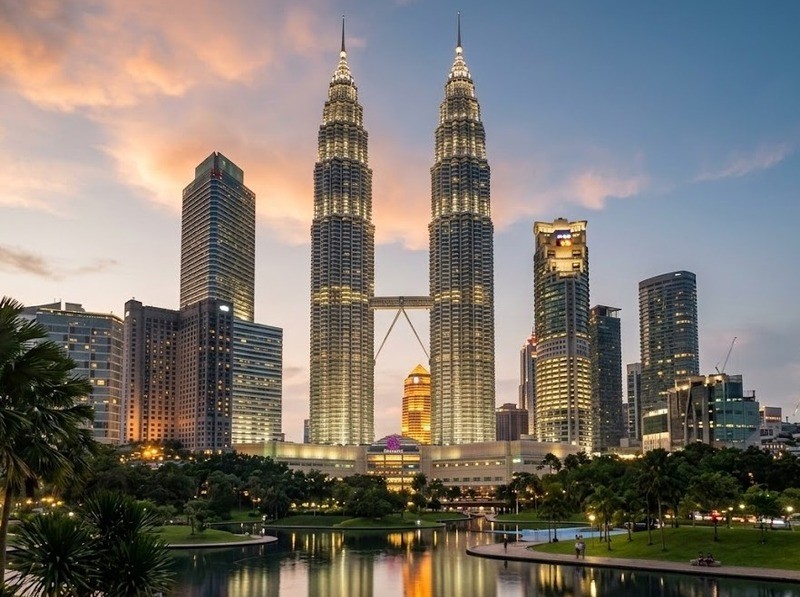
6. Asia Travel 2026: Malaysia: Extended Visa Waivers and 2026 Tourism Campaign
Malaysia is actively promoting itself in 2026 with policies designed to boost visitation:
- Extended Visa‑Free Entry: Malaysia has extended visa‑free entry for Indian citizens until 31 December 2026 to strengthen ties with one of its fastest‑growing tourist markets.
- Visit Malaysia Year 2026: As part of this campaign, Malaysia is not only simplifying entry but also launching initiatives like charter flights, attractive travel deals, and marketing efforts in Europe and beyond.
- The visa‑free agreements with major markets align with the government’s goals to sustain tourism growth, which saw record visitor numbers of over 38 million in 2025.
These changes make Malaysia one of the most accessible and travel‑friendly destinations in Southeast Asia for 2026.
AI-generated illustration
7. Asia Travel 2026: China: Extended Visa‑Free Policies Through 2026
China has extended and expanded its visa‑free entry policies for 2026:
- The visa‑free entry period for eligible nationals has been extended through December 31, 2026, allowing visitors from approximately 46 countries to stay for up to 30 days without a visa.
- Eligibility covers most European countries, Australia, New Zealand, Japan, South Korea and select South American and Middle Eastern nations.
While travelers still need passports valid for at least six months and confirmed onward tickets, the extended visa‑free policy simplifies travel planning and encourages short‑stay tourism to major Chinese cities and regions in 2026.

AI-generated illustration
8. Asia Travel 2026: Bhutan: Sustainable Tourism Fee and New GST Tax
Bhutan remains committed to its high‑value, low‑impact tourism model with updated charges in 2026:
- In addition to its longstanding Sustainable Development Fee (around US$100 per night), Bhutan has implemented a 5% Goods and Services Tax (GST) on tourism services, including hotels, transport, guides, and meals to further fund conservation, cultural preservation, and infrastructure.
These fiscal changes help Bhutan balance tourism with environmental protection and cultural integrity, ensuring that visitors contribute meaningfully to the country’s sustainable development.

AI-generated illustration
How These Changes Affect Your 2026 Trip
2026 brings a mix of simplified access and updated requirements across Asia. Many countries have streamlined entry with e‑visas, extended visa waivers, and digital travel authorizations, making travel planning easier. At the same time, rising tourist fees, hotel taxes, and documentation changes mean travelers should budget carefully, check entry requirements well before departure, and understand local rules to avoid surprises at immigration.
Travel Tips for 2026
- Always check the official immigration or tourism website of your destination for the latest entry rules, visa costs, and application procedures before booking flights.
- Prepare electronic documents like e‑visas or digital arrival authorizations at least 72 hours before travel to avoid delays.
- Factor in tourist fees and hotel taxes into your travel budget — these can range from tens to hundreds of AED per day in some locations.