
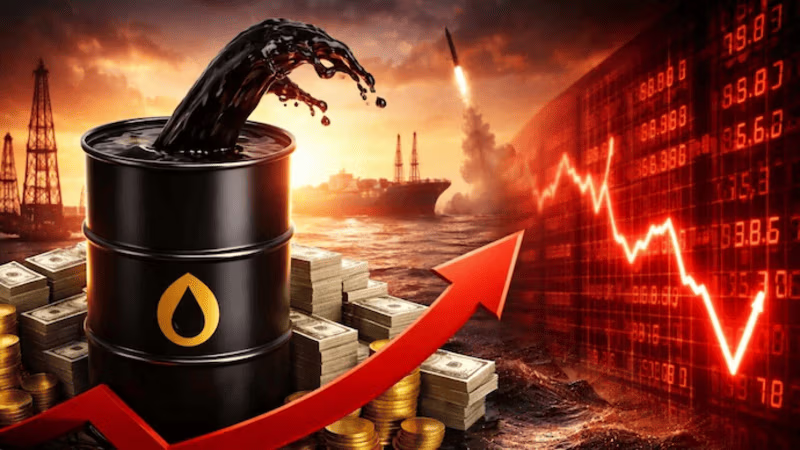
Brent crude price has surged to around $112 per barrel, marking a sharp escalation in global energy markets as supply disruptions linked to the Middle East conflict intensify.
The benchmark has climbed more than 50% over the past month, reflecting one of the fastest rallies in recent years and underscoring the severity of the ongoing supply shock.
The surge in oil prices is being driven primarily by disruptions across key supply routes, particularly the Strait of Hormuz, a vital artery for global crude trade.
Roughly one-fifth of the world’s oil and gas flows through this corridor, making any disruption a major trigger for price volatility.
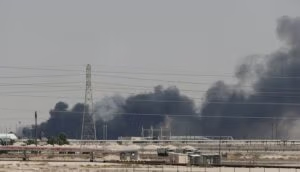
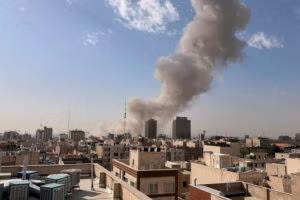
Recent military activity and threats targeting energy infrastructure in the region have significantly tightened supply conditions, prompting traders to price in a higher risk premium.
Oil markets have moved sharply higher in a short span, with prices rising from near $70 levels to above $110 within weeks.
Such rapid gains typically signal:
- Severe supply constraints
- Panic buying by refiners
- Increased speculative positioning
Analysts note that volatility has also widened the gap between futures pricing and the actual cost of physical oil, indicating tight availability in real-world markets.
The oil rally is beginning to ripple across global markets, adding pressure to an already fragile economic environment.
Higher crude prices tend to:
- Push up transportation and manufacturing costs
- Feed into consumer inflation
- Complicate central bank policy decisions
With energy costs rising, concerns are growing about a slowdown in global growth if the situation persists.
Market participants expect oil prices to remain highly sensitive to geopolitical developments in the coming weeks.
Any escalation in conflict or prolonged disruption in supply routes could push prices even higher, while diplomatic progress may ease some of the upward pressure.
For now, the sharp rise in Brent crude price highlights the market’s vulnerability to geopolitical shocks, with energy security once again taking center stage in the global economic narrative.