
Dubai has announced a record government budget for 2026-2028, setting total spending for the three-year period at Dh302.7 billion ($82.42 billion) as it charts a financial plan to support its ambitious growth goals.
The emirate — a major commercial, financial and tourism centre in the Middle East — expects to generate Dh329.2 billion in total revenue during the cycle, with an operating surplus equal to 5 per cent of projected 2026 GDP, according to the Dubai Media Office.
“The Dubai government budget for the years 2026-2028 outlines a financial road map to accelerate the realisation of Dubai’s ambitions towards enhancing the growth of its vital sectors and affirming its position as a global economic centre,” His Highness Sheikh Hamdan bin Mohammed, Crown Prince of Dubai, Deputy Prime Minister and Minister of Defence, said in a post on X.
The funds will support the goals of the Dubai Economic Agenda D33, which aims to double the emirate’s GDP and position it among the world’s top three economic cities by 2033.
2026 Budget Allocations
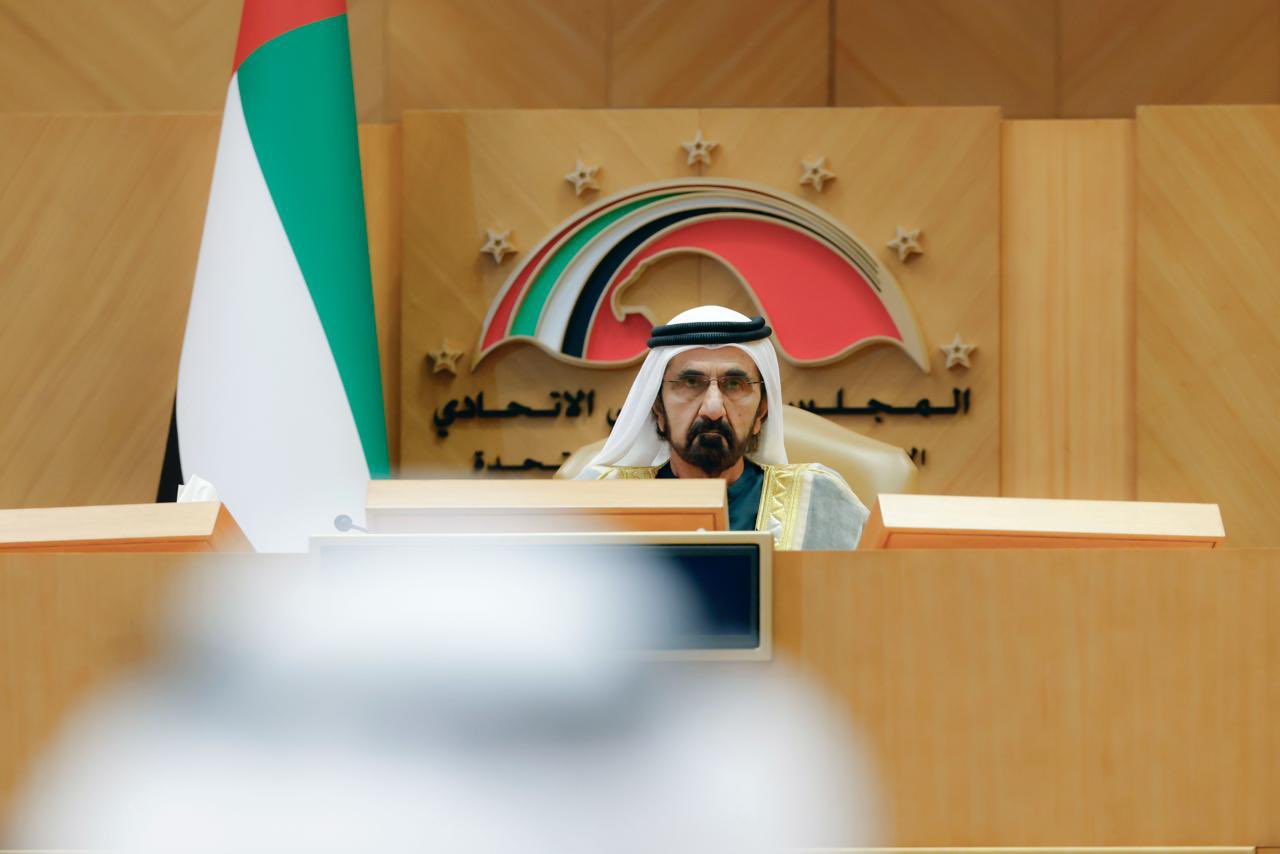
Approved by His Highness Sheikh Mohammed bin Rashid, Vice President and Ruler of Dubai, the 2026 budget sets spending at Dh99.5 billion for the year. The general budget focuses on directing investments across the economy—ranging from infrastructure and security to community development.
Dubai expects revenue of Dh107.7 billion in 2026.
Nearly 48 per cent of spending will go toward infrastructure and construction projects, the largest allocation and a reflection of the sector’s critical role in Dubai’s growth. Community development will receive 28 per cent of the budget, followed by 18 per cent for the security, justice and safety sector. Another 6 per cent will be devoted to government development initiatives.
Economic Momentum
Dubai’s economy has continued its strong performance following the post-pandemic recovery, recording 4.4 per cent growth in the first half of the year amid ongoing diversification efforts.
GDP reached Dh241 billion in the first six months of 2025, with second-quarter output climbing 4.7 per cent year on year to Dh122 billion, Sheikh Hamdan announced earlier this month.
As part of its D33 strategy, introduced in 2023, Dubai seeks to double its economic size to Dh32 trillion in the next decade and secure its place among the world’s top three cities. The plan includes supporting 30 private companies in becoming unicorns — start-ups valued above $1 billion.
D33 also aims to raise annual foreign direct investment from an average of Dh32 billion over the past decade to Dh60 billion over the coming decade, targeting a total of Dh650 billion in FDI over 10 years.
Broad-Based Growth
Tourism and real estate — two of Dubai’s key economic engines — continued their strong performance in the first half of the year. The emirate welcomed 12.54 million international overnight visitors between January and August 2025, a 5 per cent annual increase, according to the Department of Economy and Tourism.
The property sector also saw significant growth. In the first half of 2025, real estate transactions surged, with more than 59,000 new investors entering the market, Dubai Media reported in July. Total transactions reached 125,538, up nearly 26 per cent year on year, while their combined value rose around 25 per cent to Dh431 billion.