

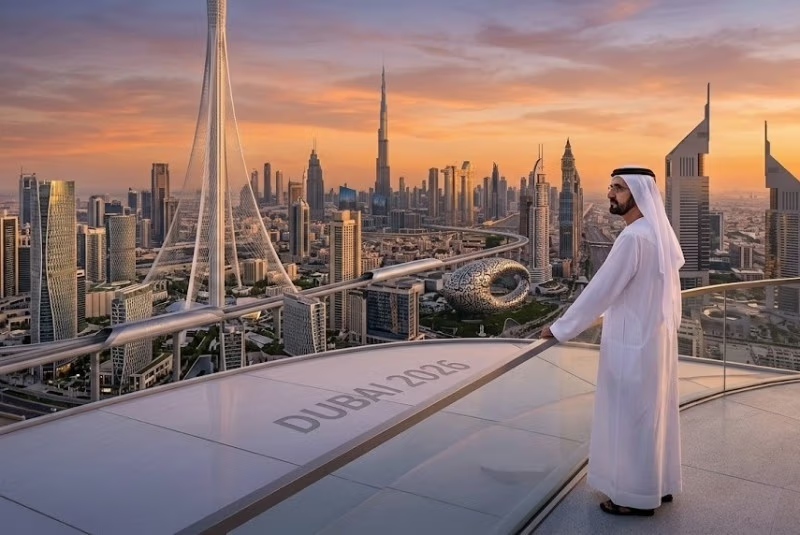
Dubai Building Safety Law 2026 sets new rules to strengthen building safety and quality across the emirate. Dubai has introduced a major new regulation aimed at improving building safety and long term infrastructure standards across the city. Law No 3 of 2026, issued by His Highness Sheikh Mohammed bin Rashid Al Maktoum, focuses on inspections, certification, maintenance responsibilities, and structural safety monitoring.
The law establishes stricter rules for building inspections, certification, maintenance responsibilities, and structural safety monitoring. As Dubai continues to expand with new residential towers, commercial developments, and mixed use communities, the regulation aims to ensure that both existing and future buildings maintain high safety standards.
Why the Dubai Building Safety Law 2026 Was Introduced
Over the past two decades, Dubai has grown into one of the world’s most dynamic urban centers, known for its modern architecture and rapidly developing skyline. With thousands of residential buildings and commercial properties across the emirate, authorities have introduced Law No 3 of 2026 to ensure that building safety and quality remain a top priority.
The regulation aims to protect residents and visitors, maintain structural integrity in buildings, and establish clear responsibilities for property owners when it comes to inspections and maintenance.
Role of Dubai Municipality in Implementing the Law
The law will be implemented and supervised by Dubai Municipality, which will monitor compliance, conduct inspections, and maintain records related to building safety certifications.
Dubai Municipality will also introduce a unified digital database that stores information about buildings, engineering inspections, and safety certifications. This centralized system will help authorities track compliance more efficiently and ensure that buildings meet the required standards.
Authorized inspectors and licensed engineering consultants may conduct periodic inspections to verify that buildings are safe and properly maintained.
Mandatory Quality and Safety Certificates Under Dubai Building Safety Law 2026
A key part of the new regulation is the requirement for a Quality and Safety Certificate for buildings. This certificate confirms that a property has passed a comprehensive safety inspection and meets the structural and operational standards set by authorities.
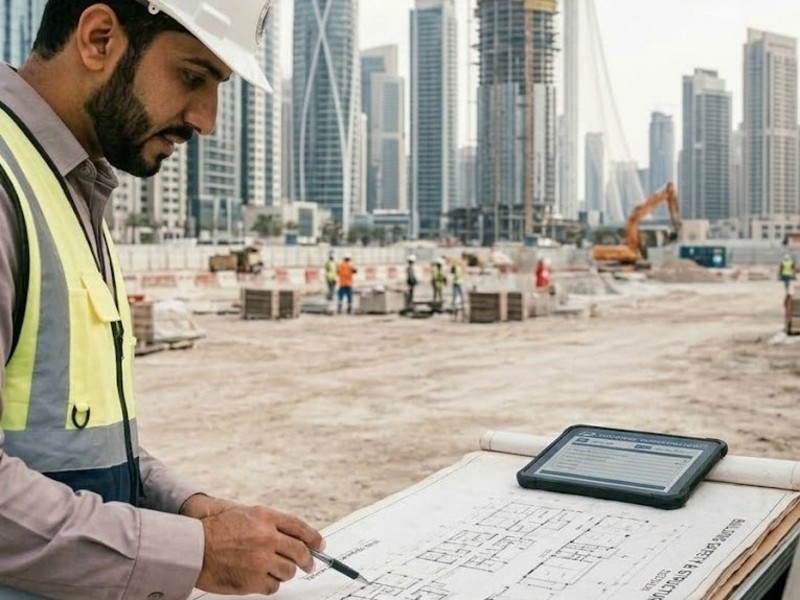
The inspection must be carried out by a licensed engineering consultancy authorized to evaluate buildings. During the inspection process, engineers assess structural stability, electrical systems, mechanical installations, fire safety infrastructure, ventilation, and overall building maintenance.
Only after a building successfully passes the inspection will the quality and safety certificate be issued.
AI-generated illustration
Certification Validity Periods for Buildings
The validity of the safety certificate depends on the age of the building.
Buildings that are less than forty years old may receive certification valid for ten years, while buildings that are forty years old or older may receive certification valid for five years.
Once the certificate expires, building owners must arrange a new inspection and renew the certification to ensure the property continues to meet safety standards.
Responsibilities of Building Owners and Property Managers
Under Law No 3 of 2026, building owners are responsible for ensuring their properties remain safe and compliant. Owners must arrange inspections, carry out required repairs, and address any structural or technical issues identified during safety evaluations.
In residential buildings with multiple owners, such as apartment towers governed by joint property systems, responsibilities may also involve owners associations or property management companies.
Regular maintenance of elevators, electrical systems, fire protection equipment, and shared facilities is essential to maintaining certification compliance.
Protection Measures for Tenants
The law also includes provisions to protect tenants in situations where buildings require demolition or major renovation due to safety concerns.
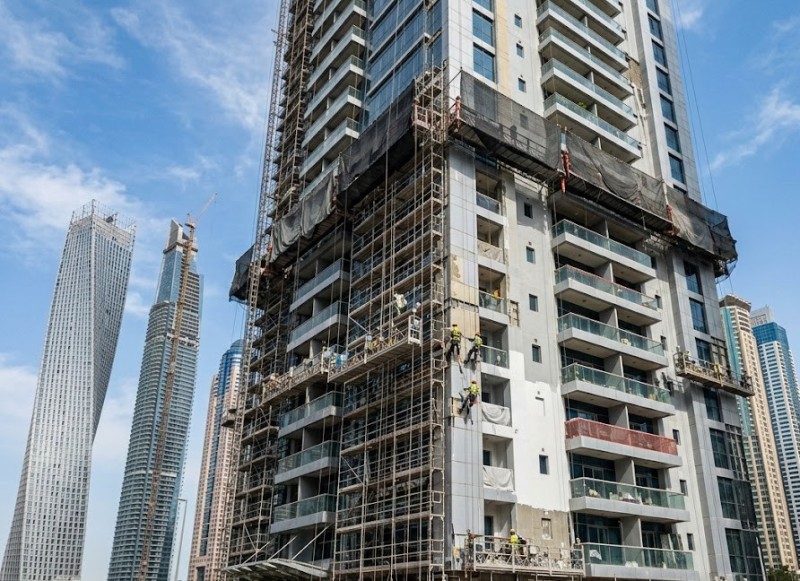
If authorities determine that a building must be demolished and later reconstructed, tenants may receive priority to return to the property after the redevelopment is completed. In many cases, tenants may be allowed to return at the same rental value that existed before the redevelopment, unless a different agreement is made between the tenant and property owner.
AI-generated illustration
Penalties and Fines for Violations
The regulation introduces strict penalties to ensure that building owners follow the new safety standards.
Violations may lead to fines ranging from 100 dirhams to 1 million dirhams, depending on the seriousness of the violation. If the same violation is repeated within two years, fines can increase to as much as 2 million dirhams.
Authorities may also take additional administrative actions such as suspending permits, restricting property related transactions, or preventing lease registration until the building complies with safety requirements.
Appeals and Compliance Timeline
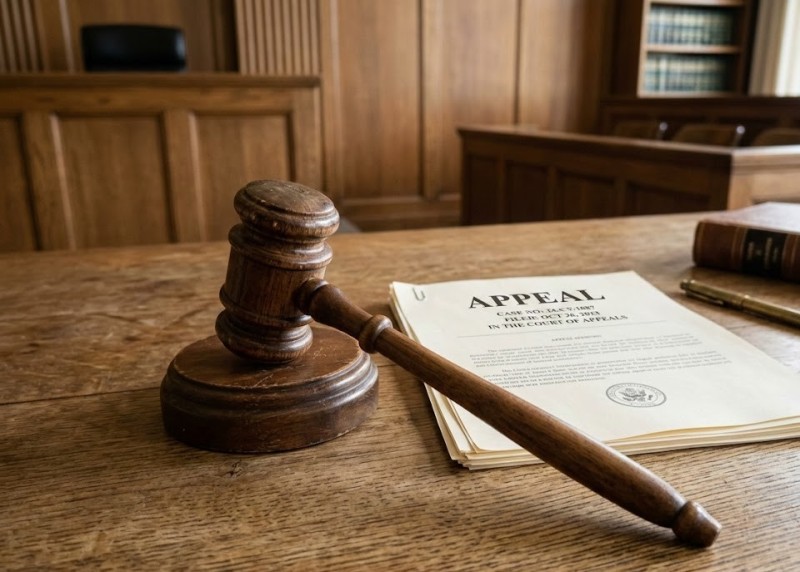
Property owners and other affected parties have the right to challenge enforcement decisions through an official appeals process. Appeals must be submitted within thirty days of receiving notification, and a specialized committee will review the case and issue a final decision within another thirty days.
Entities affected by the law, including property owners, contractors, and engineering firms, must comply with the new regulation within one year from the date the law becomes effective. The law itself will take effect sixty days after its publication in the official gazette.
AI-generated illustration
Strengthening Dubai’s Future Infrastructure
The introduction of the Dubai Building Safety Law 2026 represents an important step in maintaining Dubai’s reputation as a global city with modern infrastructure and world class construction standards. By introducing mandatory inspections, safety certifications, and clear maintenance responsibilities, the Dubai Building Safety Law 2026 ensures that buildings across Dubai remain safe for residents, businesses, and visitors. As the city continues to grow, compliance with the Dubai Building Safety Law 2026 reinforces Dubai’s commitment to high quality development and long term urban safety.