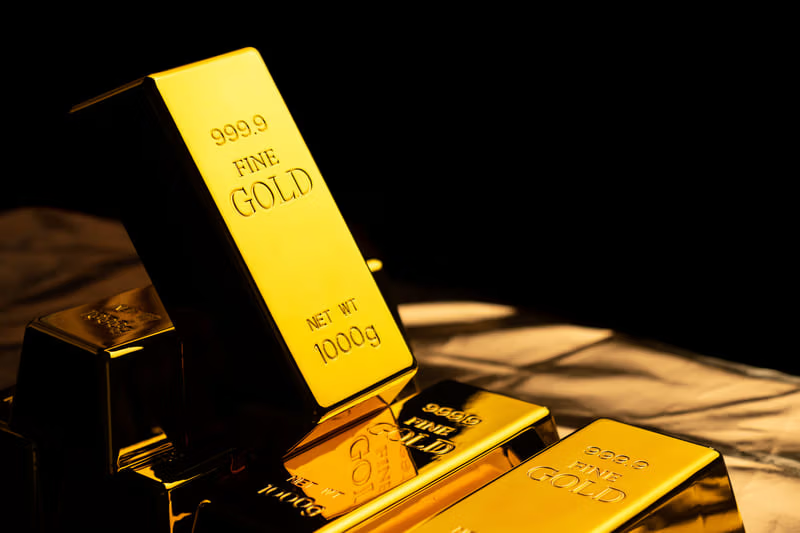
Gold prices moved lower on Monday as stalled US-Iran peace negotiations pushed oil prices higher, reigniting concerns that elevated inflation could keep global interest rates higher for longer.
Spot gold declined 0.6 percent to $4,684.32 per ounce as of 0223 GMT, while US gold futures for June delivery fell 0.8 percent to $4,692.70.
The decline came as crude oil prices continued to climb amid uncertainty surrounding diplomatic talks between Washington and Tehran and ongoing disruptions in the Strait of Hormuz.
Analysts say higher energy prices are heightening fears that inflationary pressures could persist globally, potentially forcing central banks to delay interest rate cuts.
Gold, which typically benefits during periods of geopolitical uncertainty, can simultaneously face pressure when rising inflation expectations push bond yields and interest rate forecasts higher.
The latest move highlights the increasingly complex relationship between geopolitical risk, inflation expectations, and monetary policy across global markets.
While ongoing tensions in the Middle East continue to support demand for safe-haven assets, elevated oil prices are also strengthening expectations that central banks, including the Federal Reserve, may maintain restrictive monetary policy for longer than previously anticipated.
Higher interest rates generally reduce the attractiveness of non-yielding assets such as gold.
Broader precious metals markets traded mixed.
Spot silver rose 0.7 percent to $80.88 per ounce, while platinum declined 0.6 percent to $2,042.71. Palladium also slipped 0.4 percent to $1,484.99.
Market participants continue to closely monitor developments around US-Iran negotiations and energy markets for signals on inflation trends and future monetary policy direction.
Recent volatility across gold markets reflects growing uncertainty surrounding the timing of potential Federal Reserve rate cuts amid persistent geopolitical instability and resilient commodity prices.
Industry analysts note that gold remains supported over the longer term by geopolitical uncertainty, central bank buying activity, and broader investor demand for defensive assets.
However, near-term price movements are increasingly being driven by interest rate expectations and energy market volatility rather than purely safe-haven demand.
The latest pullback additionally follows a strong multi-year rally in gold prices supported by global uncertainty, inflation concerns, and strong institutional demand.
Analysts say traders remain highly sensitive to upcoming inflation data, Federal Reserve commentary, and developments in the Gulf region as markets continue balancing recession fears against persistent inflation risks.