

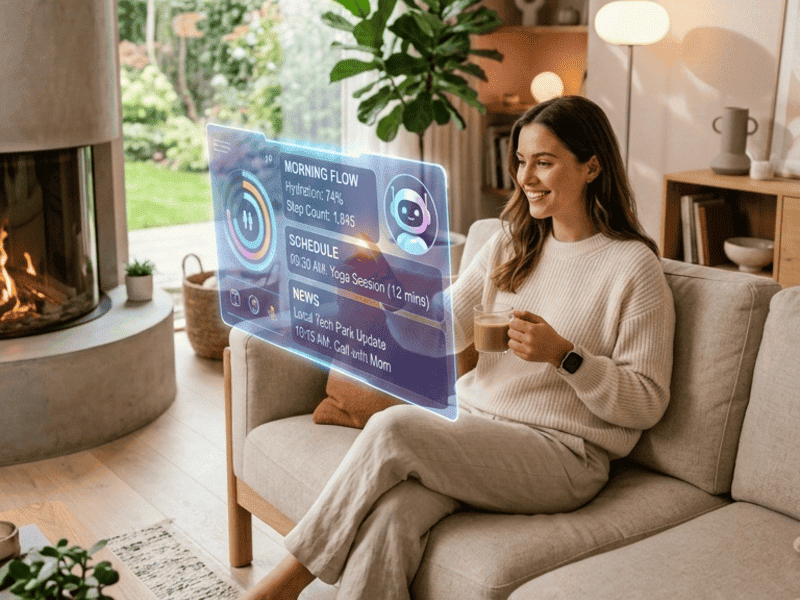
In 2026, artificial intelligence has transcended sci‑fi novelty to become a practical, daily companion for millions of people around the world. Whether you’re trying to eat better, move smarter, boost your wellness, or organise your life with less stress, AI tools are now integrated into everyday routines like never before. From personalized fitness coaching to automated home systems, these six lifehacks are reshaping how we live — and they’re easy to adopt today.
In this article, we’ll walk through six AI‑powered lifestyle strategies that work in the real world in 2026, including tips on use, examples of trusted tools, and lifestyle‑centric routines you can start immediately.
1. AI Morning Routine
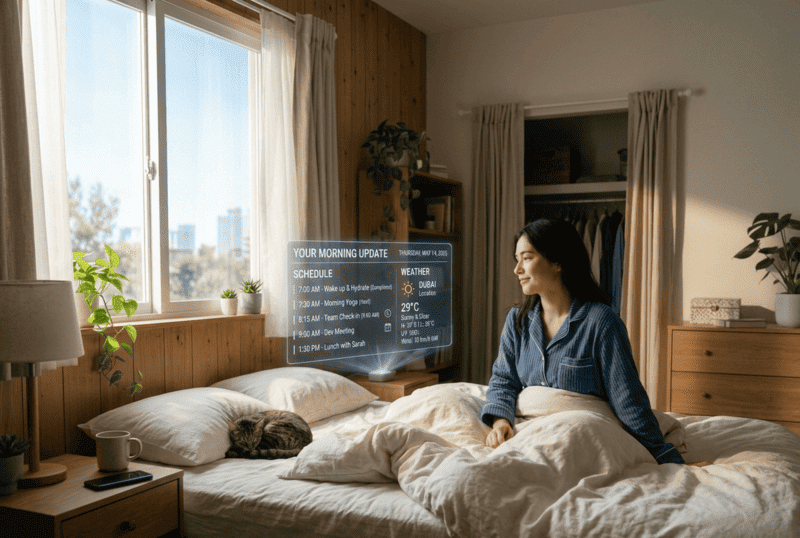
A well‑structured morning sets the tone for the entire day, and in 2026 many people no longer rely on generic planners. Instead, they use AI agents that tailor daily schedules to their sleep patterns, stress levels, and personal goals.
For example, apps like Notion AI and advanced digital assistants analyze your calendar, emails, and sleep data to automatically create a morning plan that suggests the optimal wake time, daily priorities, and even what to eat or drink for lasting focus. These AI systems can integrate with smart devices — such as smart blinds that open at sunrise or coffee makers that start brewing when your alarm sounds — creating a seamless and personalized routine.
The result is more consistent energy throughout the day and fewer decision headaches first thing in the morning.
2. Smart Meal Planning
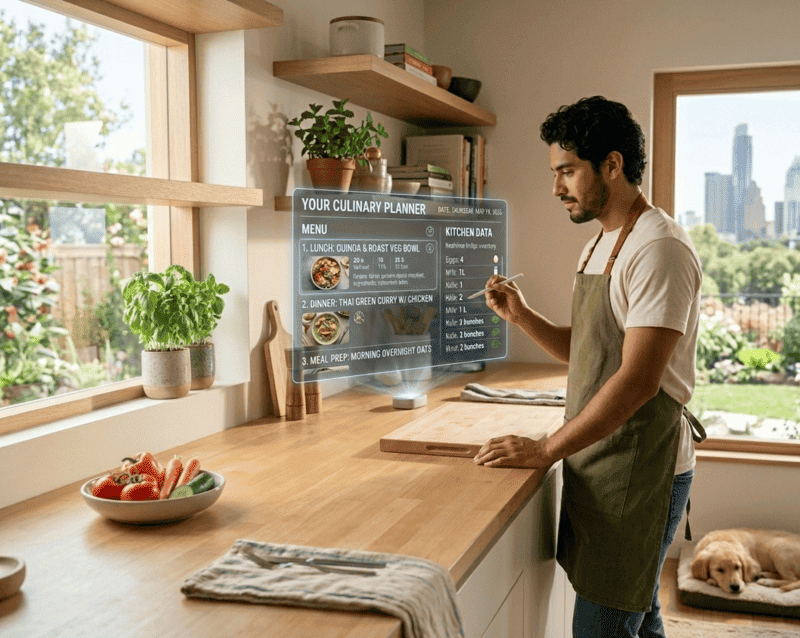
Nutrition has always been central to a healthy lifestyle, yet preparing meals that truly match your goals and constraints can be time‑consuming. AI meal planners have emerged as a game‑changer.
Apps like Eat Smart AI now create meal plans tailored to your health objectives — whether that’s building muscle, managing weight, improving gut health, or supporting heart wellness — all based on your dietary preferences, allergies, and real‑time biometric data from wearables. They offer grocery lists and step‑by‑step cooking instructions, often with estimated preparation times.
This new generation of tools makes healthy eating feel less like a chore and more like a guided, personalized experience — perfect for busy professionals or families on the go.
3. Personalized Fitness
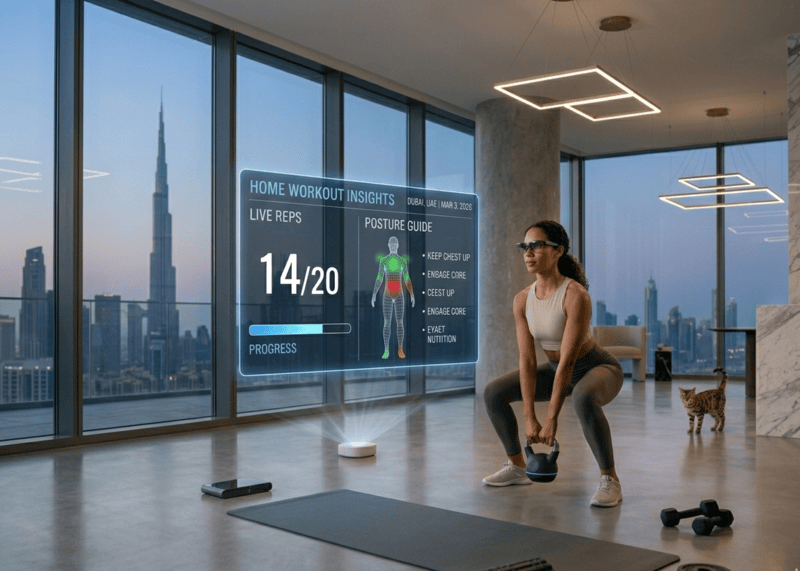
Traditional workout plans often fail because they don’t adapt to real life. In 2026, AI fitness coaches like FitGenius and similar platforms combine genetic insights, sleep quality data, stress levels, and local weather conditions to design workout routines that evolve daily. These routines take into account your recovery metrics and suggest exactly what you should do each day — whether it’s strength training, cardio, mobility work, or rest.
FitGenius and comparable tools also provide personalized supplement recommendations and injury prevention tips that help users stay consistent without burning out. Many users report improvements in performance and recovery because the tools adapt in real time based on how their bodies are responding.
This proactive approach helps make fitness both effective and sustainable.
4. AI‑Driven Fashion Planning
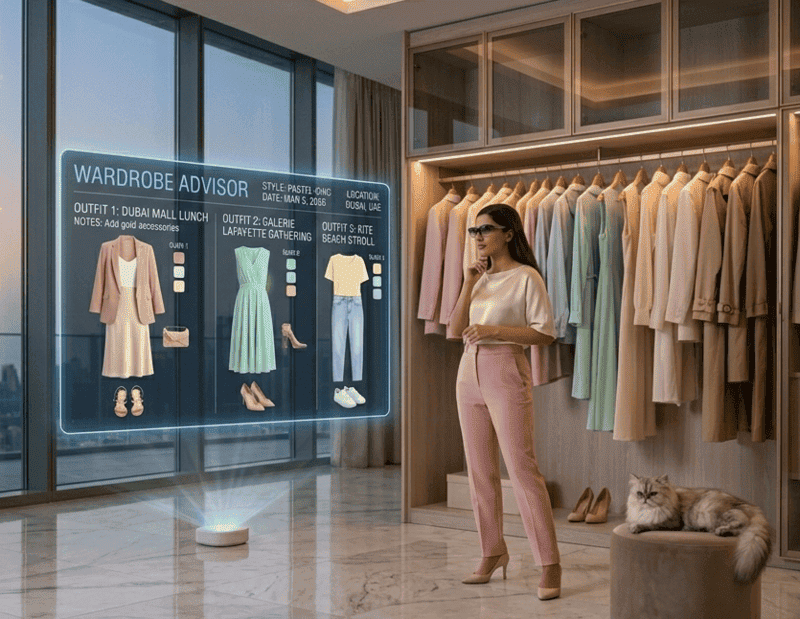
Deciding what to wear each day shouldn’t feel like a decision that drains willpower. AI tools are now stepping into style guidance, analysing your wardrobe, weather forecast, and current fashion trends to suggest outfit combinations that match your personal taste and occasion.
Platforms like StyleGen AI offer virtual wardrobe assistants where you can upload photos of your clothes. The system then recommends outfits suited to work meetings, dinners, casual weekends, or travel days. It even considers climate data so you’re never over‑ or under‑dressed.
This kind of personalization helps users feel confident and organized — turning wardrobe decisions from stressful to seamless.
5. Boost Productivity and Learning
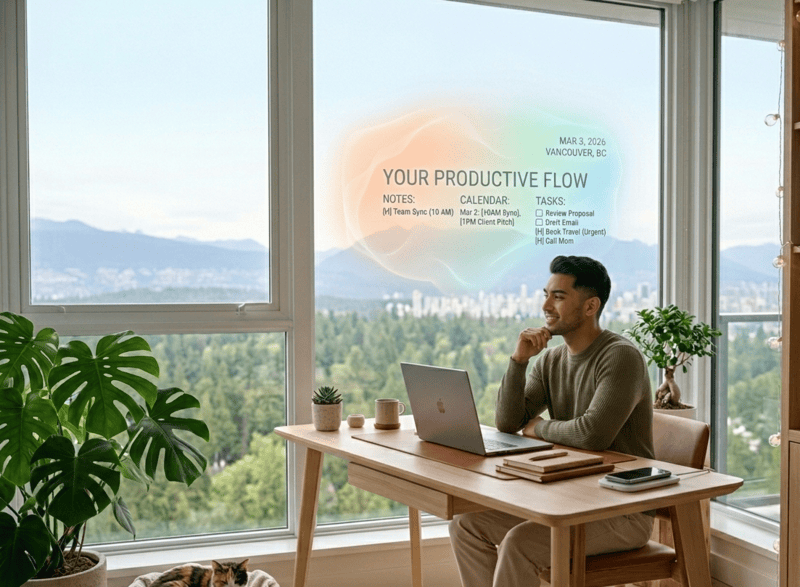
Work and learning are more integrated into daily life than ever, and AI tools have become a staple for staying organized and efficient. Productivity platforms such as Notion AI, ChatGPT 5, and specialized AI task managers automatically pull data from your emails, notes, and calendars to generate summaries, to‑do lists, and learning guides.
Learners use these tools to create study schedules and practice plans tailored to their goals — from language learning to professional certification preparation. Because these tools generate content, track progress, and adapt to your pace, users can turn vague goals into actionable steps without feeling overwhelmed.
This has made self‑directed learning and productivity accessible even for those balancing busy lifestyles.
6. Prioritize Mental Wellness
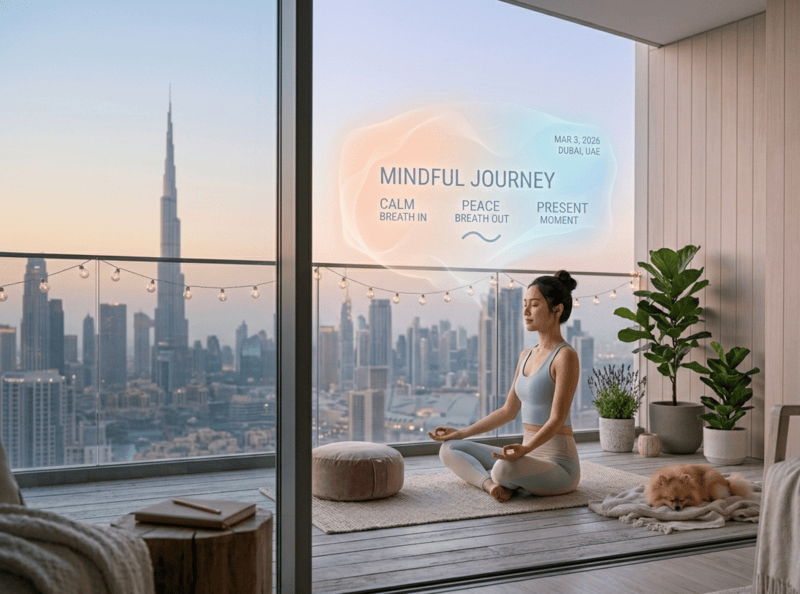
Wellness in 2026 includes not just physical health, but emotional and mental balance. AI mental wellbeing tools like Wysa provide confidential conversational support based on evidence‑based therapy techniques such as cognitive behavioral therapy (CBT) and dialectical behavior therapy (DBT). These platforms are designed to help users cope with stress, anxiety, and mood fluctuations by offering coping strategies, journaling prompts, and mindfulness exercises.
Unlike basic chatbots, these tools are built with insights from clinical psychology and give users a non‑judgmental space to reflect and practice self‑care. Many people pair AI companions with wearable data to better understand how their lifestyle choices affect their mood and stress levels throughout the day, making emotional self‑care more structured and actionable.
A Lifestyle Shift: Embracing AI in Everyday Routines
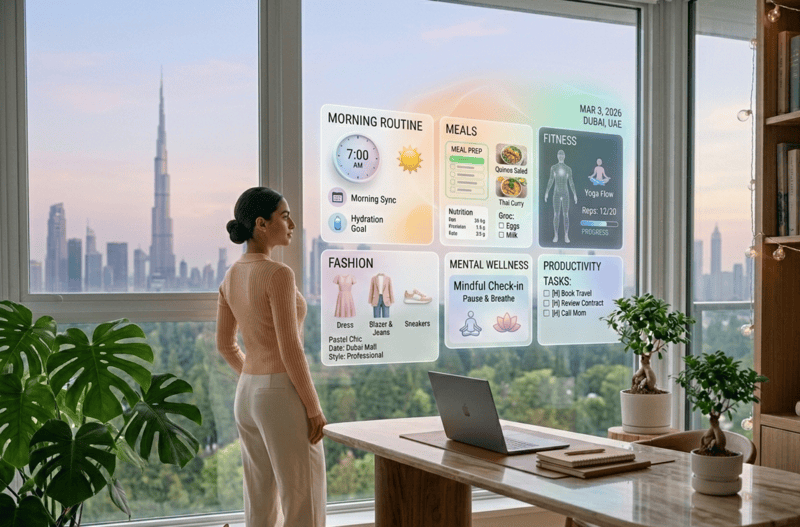
What makes these AI lifehacks truly powerful isn’t just the technology — it’s how seamlessly they fit into daily life in 2026. These tools remove friction from decision‑making, help users focus on what matters most, and provide personalized guidance that feels modern yet intuitive.
As AI continues to evolve, the focus in lifestyle applications has shifted from novelty to utility. Whether it’s analyzing biometrics to suggest your optimal fitness routine, tailoring meal plans to your health goals, or helping you stay mentally balanced during stressful seasons, AI is increasingly acting like a personalized lifestyle coach that’s available 24/7.
How to Get Started Today
If you’re new to AI lifestyle tools and want to adopt these routines:
- Begin by integrating AI into your morning planning (apps like Notion AI or any AI digital assistant).
- Choose one area to focus on first — meal planning or fitness — and use dedicated tools tailored for those needs.
- Commit to using AI tools consistently for at least 30 days to notice lasting changes in habits and outcomes.
As these technologies improve and become more personalized, they’re likely to become even more integral to how we live, work, and take care of ourselves. This isn’t just automation — it’s a lifestyle evolution.