

India has sharply reduced special additional excise duties on petrol and diesel in a bid to shield consumers and oil companies from surging global crude prices triggered by the ongoing West Asia conflict.
Under the revised structure, the central government has cut excise duty on petrol to ₹3 per litre from ₹13 earlier, while the levy on diesel has been reduced to zero from ₹10 per litre, according to an official notification.
The move comes as global oil markets remain volatile due to supply chain disruptions, particularly in the Strait of Hormuz, a critical route for energy shipments. India, which imports over 90% of its crude oil requirements, has been particularly exposed to the surge in prices.
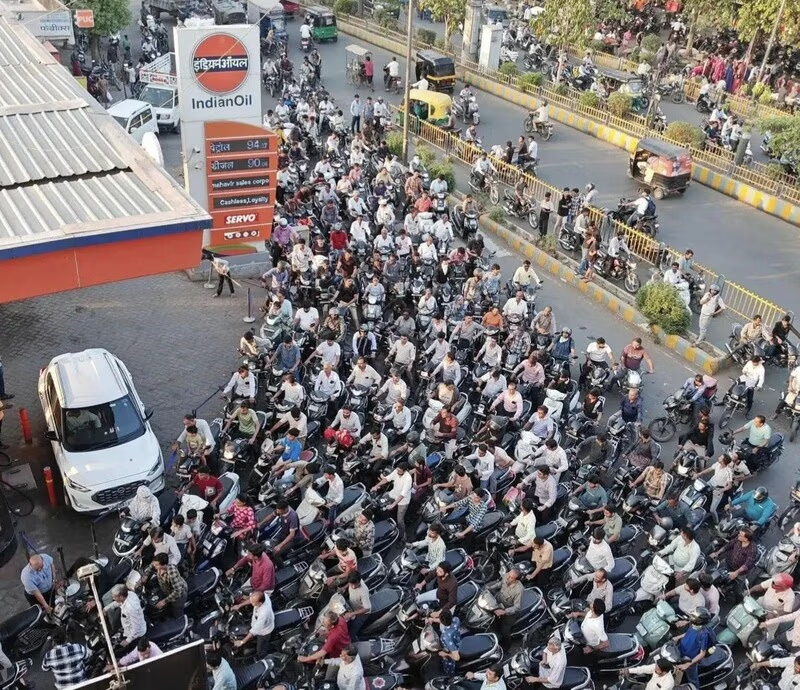
The decision is aimed at cushioning the domestic impact of rising fuel costs and preventing a sharp increase in retail prices. However, analysts note that consumers may not see an immediate reduction at the pump, as the tax cut is likely to offset higher crude costs rather than translate into direct price cuts.
Instead, the relief is expected to ease pressure on oil marketing companies, which have been absorbing rising input costs amid a freeze in retail fuel prices. Estimates suggest the duty cut could absorb 30% to 40% of their losses at current crude price levels.
The fiscal impact of the move is significant. Economists estimate that the government could face an annual revenue loss of around ₹1.5 trillion, highlighting the trade-off between fiscal discipline and inflation management.
The government has framed the decision as a protective measure, choosing to absorb the financial burden rather than pass on the full impact of global price increases to consumers. At the same time, it has sought to reassure markets that adequate supplies of key resources, including fuel and fertilisers, are being maintained despite disruptions.
The development underscores the broader challenge facing policymakers, balancing inflation control with fiscal stability in an environment shaped by geopolitical risks and volatile energy markets.