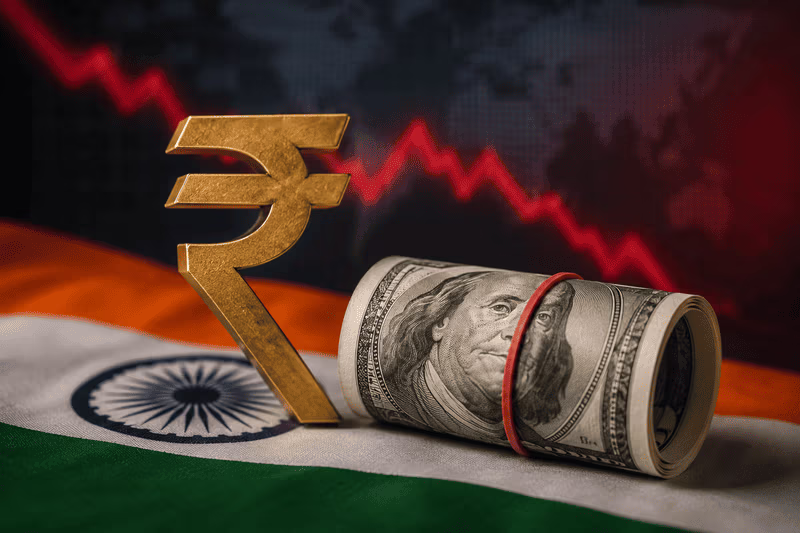
The Indian rupee plunged to a record low against the US dollar, slipping below the 96 mark for the first time as mounting global and domestic pressures triggered a sharp selloff in the currency market.
The decline comes amid rising crude oil prices, persistent foreign fund outflows, and a stronger US dollar, factors that have intensified pressure on emerging market currencies, including the rupee.
Market participants said elevated oil prices remain one of the biggest concerns for India, which imports the majority of its crude requirements. Higher energy costs are expected to widen the country’s trade deficit and add pressure on inflation, weakening sentiment around the rupee.
Foreign institutional investors have also continued to withdraw funds from Indian equities and debt markets, adding to downward pressure on the currency. Investors have increasingly shifted towards dollar-denominated assets amid expectations that US interest rates could remain elevated for longer.
At the same time, the US dollar has strengthened globally as investors seek safer assets amid economic uncertainty and geopolitical tensions, further weighing on emerging market currencies.
Currency traders are now closely watching potential intervention measures from the Reserve Bank of India to stabilize volatility in the foreign exchange market.
Analysts say the rupee’s trajectory in the coming weeks will largely depend on oil price movements, capital inflows, and signals from the US Federal Reserve on future monetary policy.