
Iran said it is reviewing a U.S.-proposed ceasefire plan, referred to as the Iran US Ceasefire Plan, to end the ongoing conflict, but insisted that no direct talks are taking place, contradicting claims by U.S. President Donald Trump that negotiations are underway.
Trump said Iranian leaders “want to make a deal so badly,” suggesting momentum toward a potential resolution. However, Iran’s foreign minister clarified that while the proposal is under consideration, there are no plans to engage in negotiations at this stage.
The Iran US Ceasefire Plan has generated significant attention as a potential avenue for peace.
The proposal, reportedly a multi-point framework aimed at ending nearly four weeks of fighting, has been delivered through intermediaries and is still being assessed by Tehran. Despite public rejection of the talks, officials have stopped short of formally dismissing the plan, suggesting ongoing internal deliberations.
The divergence in messaging highlights the lack of trust between the two sides, even as diplomatic channels remain partially open. Iranian officials have repeatedly dismissed U.S. claims of active negotiations, with some describing Washington’s position as unilateral signalling rather than genuine dialogue.
The conflict continues to have far-reaching global consequences, with disruptions to energy supply chains, volatility in oil prices, and heightened geopolitical risk affecting markets worldwide. The war has already triggered one of the most severe energy shocks in recent history, underscoring the stakes involved in any potential ceasefire.
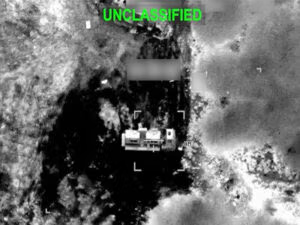
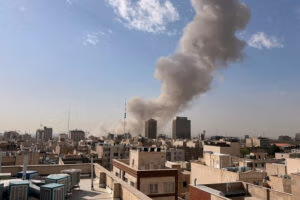
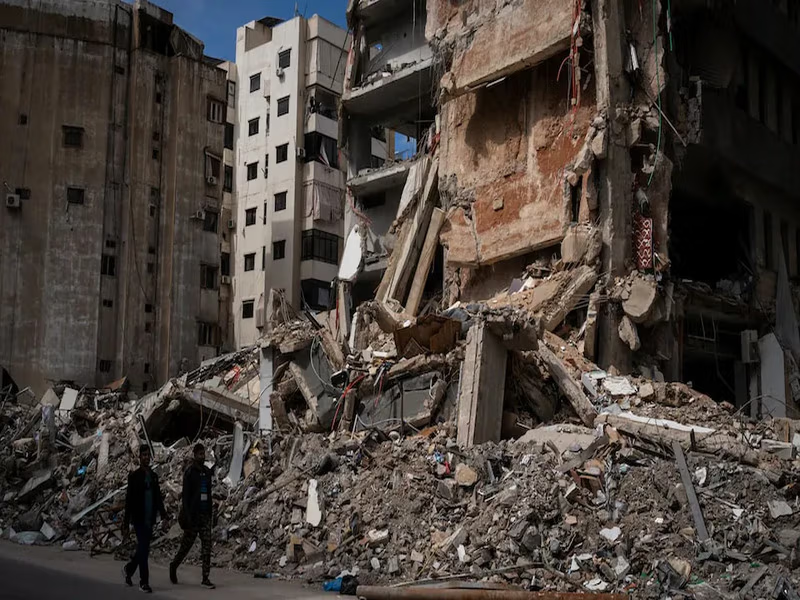
Meanwhile, military activity in the region shows no signs of easing, with continued strikes and retaliatory actions across multiple fronts, complicating efforts to reach a diplomatic breakthrough.
Analysts say the situation reflects a dual-track dynamic, where diplomatic proposals are being explored even as hostilities persist. For now, markets and policymakers remain focused on whether the U.S. plan evolves into formal negotiations or stalls amid ongoing tensions.
The coming days are expected to be critical, as Iran’s response to the proposal could determine whether the conflict moves toward de-escalation or further escalation.