
Israel attacks Iran in a major military escalation that has sent shockwaves through global markets and heightened geopolitical risk across the Middle East. Israeli authorities confirmed that the operation, described as a “preventive strike,” was carried out with US coordination, prompting the declaration of a nationwide state of emergency as fears of retaliation mounted.
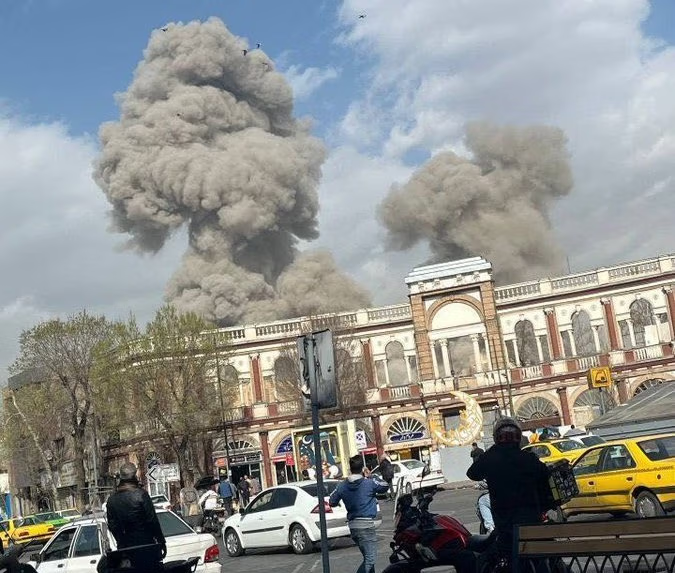
Explosions were reported in Tehran and other strategic locations early Saturday, with Iranian media acknowledging multiple blasts in the capital. In response to the escalating situation, Iran’s Supreme Leader, Ali Khamenei, was reportedly transferred to a secure location as a precaution.
Israeli officials said the operation targeted what they described as imminent security threats linked to Iran’s military infrastructure and nuclear programme. The strikes come amid growing tensions following stalled diplomatic negotiations and heightened rhetoric over Iran’s uranium enrichment activities.
The escalation unfolded against the backdrop of increased US military presence in the region. Washington has in recent weeks deployed additional naval assets and air capabilities, signalling support for Israel’s security posture. While US officials have not detailed the extent of operational involvement, reports indicate coordination between Israeli and American defense establishments.
Following the strikes, Israel declared a state of emergency, closing airspace and activating civil defense protocols across major cities, including Tel Aviv and Jerusalem. Emergency sirens sounded in several areas as authorities prepared for potential retaliatory missile or drone attacks from Iran or allied regional groups.
BREAKING: Israel has launched a “preventative” attack against Iran, as witnesses say they have heard explosions in Iran’s capital, Tehran, according to the Reuters news agency. pic.twitter.com/dZDGlcvrJb
— Al Jazeera English (@AJEnglish) February 28, 2026
Financial markets reacted swiftly to the development. Oil prices surged in early trading amid concerns that broader conflict could disrupt supply routes through the Strait of Hormuz, a critical artery for global energy exports. Investors moved toward safe-haven assets, with gold and US Treasury yields reflecting heightened risk aversion.
The confrontation marks one of the most direct military exchanges between Israel and Iran in recent years and raises the possibility of a wider regional conflict. Analysts warn that any sustained escalation could affect global energy flows, shipping routes, and investor confidence, particularly in emerging markets that are sensitive to geopolitical shocks.
Regional powers have called for restraint, with diplomatic channels reportedly active behind the scenes. However, with both sides signalling readiness to defend their positions, the risk of further military action remains elevated.
For global markets and policymakers, the key question is whether the latest escalation will remain contained or trigger a broader confrontation. As Israel attacks Iran and Tehran signals preparedness to respond, the coming days are likely to shape not only regional stability but also global economic sentiment.