

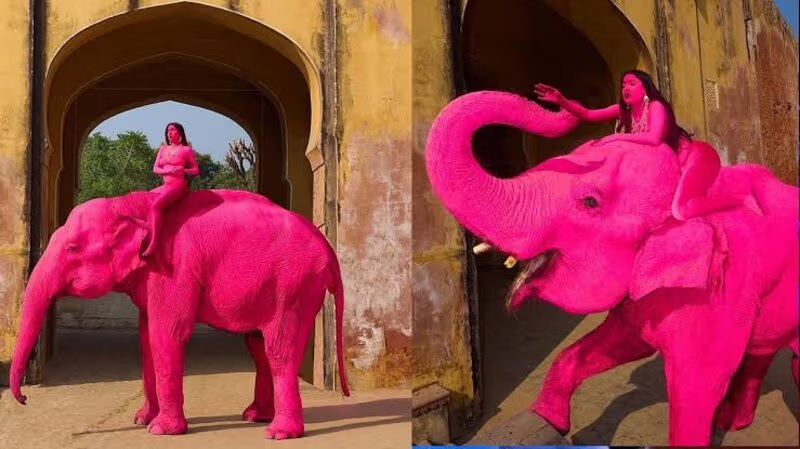
A viral photoshoot in Jaipur has ignited a broader debate about animal welfare and ethical tourism after images of an elephant painted bright pink circulated widely on social media, drawing sharp criticism from activists and the public alike.
The shoot, led by a foreign photographer, featured a model posing atop the vividly coloured elephant against the city’s historic backdrops. While the images gained rapid traction for their visual impact, they also raised concerns about the treatment of the animal involved and the broader implications of using wildlife for stylised commercial or artistic purposes.
At the centre of the backlash is the question of whether the process of painting the elephant, regardless of the materials used, could have caused distress or harm. Experts and animal welfare advocates point to the sensitivity of elephants’ skin and their complex behavioural patterns, arguing that such interventions can lead to both physical discomfort and psychological stress.
The controversy has also renewed scrutiny of the use of elephants in tourism-linked activities across Rajasthan, where the animals are often part of cultural and hospitality experiences. Critics argue that growing global awareness around ethical tourism demands stricter oversight and clearer guidelines to ensure that animals are not subjected to unnecessary or exploitative practices.
Authorities have taken cognisance of the incident, with local officials indicating that the matter is under review to assess whether any wildlife protection or animal safety regulations were violated. The outcome of such inquiries could have wider implications for how similar activities are governed in the future.
Beyond regulatory concerns, the episode has sparked a wider cultural conversation. Elephants hold deep symbolic and religious significance in India, and their portrayal in commercial or aesthetic contexts can be viewed as insensitive or inappropriate by some sections of society.
The incident also reflects the evolving dynamics of social media, where visually striking content can quickly gain global attention but is equally subject to intense scrutiny. As audiences become more conscious of ethical considerations, creative projects involving animals are increasingly judged not just on artistic merit but on their adherence to welfare standards.
For destinations like Jaipur, which rely heavily on tourism and cultural heritage, the controversy underscores the need to balance experiential offerings with responsible practices. As the debate continues, the incident may serve as a catalyst for tighter regulations and greater accountability in the use of animals in public-facing experiences.