
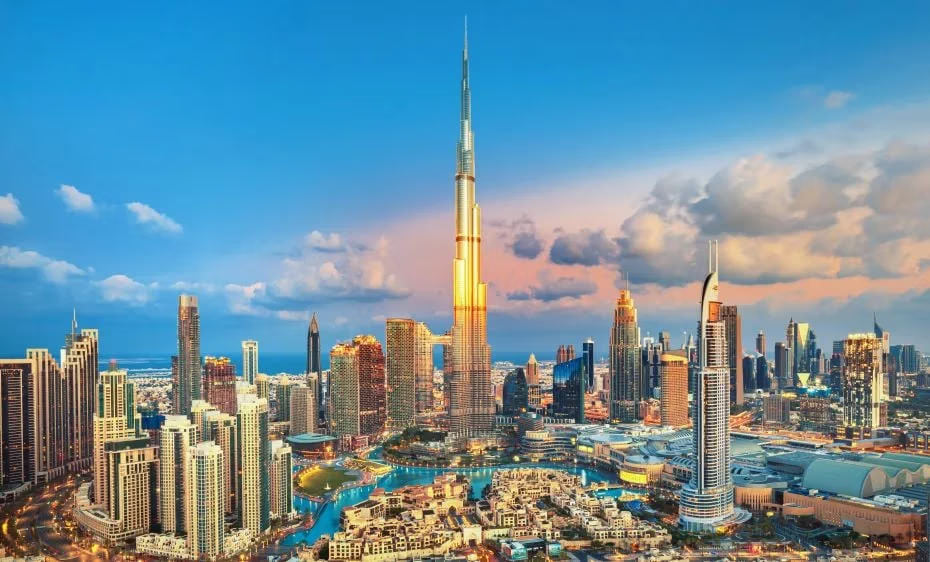
Luxury in the UAE has long been synonymous with scale, design and architectural statement. But among high-net-worth individuals, a quieter evolution is taking place, one that prioritises wellbeing as much as aesthetics.
At the centre of this shift is the concept of the “wellness estate,” a term gaining traction across private property circles. According to Joanne Doran, Founder of JGD Luxury Lifestyle Operations, the idea goes far beyond spa rooms or private gyms.
“A wellness estate is best understood as a home that is intentionally designed and operated to support the daily wellbeing of its principals and their families,” she explains. “It goes beyond individual features or amenities and looks at how architecture, environment, operations and lifestyle services work together to create a sense of balance, ease and long-term liveability.”
In other words, wellness is no longer an add-on. It is foundational.
From Status Symbol to Support System
The surge in wellness-driven estates reflects a broader recalibration of what luxury means. Homes, Doran notes, are “no longer seen purely as statements of luxury, but as private environments that play an active role in supporting health, focus and longevity.”
As global mobility increases and time spent at home becomes more intentional, the residence itself has become central to quality of life. For ultra-high-net-worth families, that means designing environments that enhance clarity, comfort and calm on a daily basis.
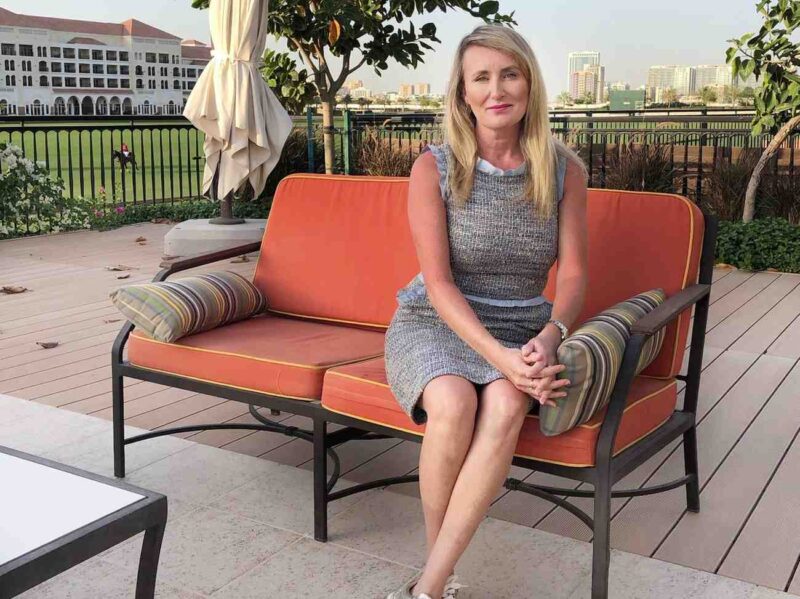
This transformation is being shaped by both international and regional influences.
“It is very much a combination of both,” Doran says, referring to global wellness movements and local UAE lifestyle factors. “Global wellness movements have shaped expectations around how environments can support physical and mental wellbeing… At the same time, local lifestyle factors in the UAE — such as climate, privacy, and the importance of the home as a personal retreat — reinforce this direction.”
The result is a hybrid model: global thinking, regionally adapted.
Technology That Disappears Into the Background
In high-end estates, technology is increasingly present — but ideally invisible.
“Technology plays an important role, but it is most effective when it supports wellness quietly rather than becoming the focus,” Doran explains.
Environmental controls such as advanced air quality systems, climate regulation, lighting calibration and acoustic optimisation are being seamlessly integrated into private residences. But the goal is not spectacle.
“The most successful applications of technology are those that reduce friction in everyday living and create a stable, intuitive environment,” she says. “Rather than adding layers of complexity, well-considered smart systems should simplify how a home is experienced and managed.”
In other words, true luxury is intuitive.
Operations Matter as Much as Architecture
Perhaps the most overlooked aspect of wellness estates is operations. According to Doran, architectural excellence alone cannot create a restorative environment.
“Wellness in private estates is as much operational as it is architectural,” she notes. “The way a home is run has a direct impact on how it feels to live in.”
From staff training and service rhythms to curated food sourcing and event planning, the unseen mechanics of a household shape its emotional tone. Even art placement and the management of personal spaces contribute to atmosphere.
“When these elements are aligned, the home functions with fewer disruptions and less visible effort, which in itself supports a sense of calm and balance,” she says. “A well-run estate allows principals to experience their home as a place of restoration rather than administration.”
It is this operational precision that increasingly influences acquisition decisions.
Wellness as an Investment Consideration
“Wellness considerations are becoming part of how long-term suitability and value are assessed,” Doran explains. Buyers are now evaluating how a property will support daily living over time — not simply how it photographs or entertains.
“Homes that are designed and operated with wellbeing in mind tend to offer greater long-term liveability, which in turn influences acquisition decisions.”
In this context, wellness is no longer a lifestyle trend. It is a value driver.
The Misconceptions Around ‘Adding’ Wellness
Despite its growing popularity, the wellness estate concept is often misunderstood.
“One common misconception is treating wellness as something that can be ‘added on’ through features or design elements alone,” Doran cautions. Amenities matter, but they are not sufficient.
Another frequent oversight is operational planning. “Features that are intended to enhance wellbeing require appropriate planning, maintenance and service structures to function as intended,” she explains. “Without this alignment, even well-designed spaces can fall short of their purpose.”
True wellbeing is systemic, not decorative.
The Power of Anticipation
At JGD Luxury Lifestyle Operations, bespoke estate management revolves around anticipation rather than reaction.
“At a certain level, the most meaningful impact of estate management is often what the principal does not experience — fewer interruptions, fewer operational decisions and less visible friction in daily life,” Doran says.
Anticipation, she explains, is about building systems that resolve needs before they become problems. When properly structured, operations allow homeowners to inhabit their spaces with ease rather than oversight.
“That sense of continuity and quiet reliability is where bespoke estate management makes a tangible difference.”
The Future of Private Estate Living
Looking ahead, Doran believes the wellness estate will evolve organically.
“The concept is likely to continue evolving in an integrated way rather than through any single trend or innovation,” she says. Over time, wellness will become embedded into design and operational thinking rather than positioned as a standalone category.
As expectations mature, alignment will be key, between architecture, management and lifestyle services. The objective is long-term adaptability.
“The focus will increasingly be on creating homes that support long-term balance, adaptability and ease of living, allowing principals and their families to evolve within their environments rather than having to constantly adapt the home around them.”
With the UAE continuing to attract global wealth, service providers must also rise to meet international standards.
“As the client base becomes more international, service providers must operate with a higher degree of cultural fluency, professionalism and discretion,” Doran concludes. “Service providers who understand how to translate global expectations into locally grounded operations will be best positioned to support the next phase of private estate living in the UAE.”