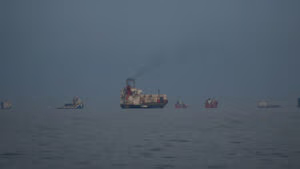

Donald Trump indicated a potential shift in the Iran conflict, saying Tehran has allowed oil shipments to move through the Strait of Hormuz, a move he described as a meaningful step toward easing tensions.
According to Trump, Iran’s decision to permit the passage of multiple oil tankers reflects a “positive signal” amid ongoing diplomatic efforts, even as both sides continue to publicly disagree over the status of formal negotiations.
The development comes at a critical juncture for global energy markets, where supply disruptions linked to the conflict have driven volatility in oil prices and heightened concerns over inflation and economic stability.
While Washington has framed the move as a constructive gesture, Iranian officials have not confirmed any concessions, maintaining that no direct talks are underway with the United States. The divergence in messaging underscores the fragile nature of the current situation, where informal signals coexist with ongoing hostilities.
The Strait of Hormuz remains central to the crisis, carrying a significant share of global oil flows. Any easing of restrictions on shipping through the corridor is seen as a key factor in stabilising supply chains and calming markets.
Analysts caution that while the move could help reduce immediate pressure on oil prices, it does not necessarily indicate a broader resolution. Without a formal agreement, the risk of renewed disruption remains elevated.
The episode highlights a broader pattern in the conflict, in which tactical de-escalation measures are being introduced alongside ongoing military and political tensions. For now, markets are likely to respond to incremental developments, with the trajectory of oil prices and global risk sentiment tied closely to signals emerging from both Washington and Tehran