

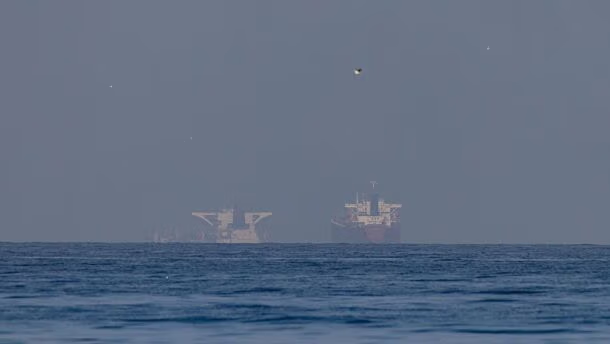
The United Nations Security Council is set to vote on a revised Bahrain-led resolution aimed at protecting commercial shipping through the Strait of Hormuz, as deep divisions among major powers complicate efforts to secure a consensus.
The proposal comes amid ongoing disruption in one of the world’s most critical energy corridors, where escalating tensions have curtailed vessel movement and heightened risks to global oil supply chains. Gulf states, backed by the United States, have pushed for coordinated international action to safeguard navigation through the narrow waterway.
At the center of the debate is how far the international community should go in authorizing the use of force. Earlier versions of the resolution included language that could have enabled broad military intervention to secure shipping lanes. However, following opposition from key members, Bahrain has revised the draft to emphasize defensive measures and oversight, reflecting a more limited scope of action.
Despite the changes, divisions remain pronounced. China and Russia have expressed concerns that even a narrowly framed mandate could escalate the conflict, while other countries have called for greater emphasis on diplomatic solutions rather than enforcement measures.
The timing of the vote has been pushed back, giving negotiators additional room to bridge differences, but also underscoring the difficulty of reaching an agreement in a fractured geopolitical environment.
The stakes are high. The Strait of Hormuz typically handles a significant share of global oil and gas shipments, and any prolonged disruption risks amplifying volatility in energy markets and complicating inflation outlooks for major economies.
The resolution also reflects broader tensions over the role of multilateral institutions in managing security crises. For Gulf nations, the proposal represents a necessary step to protect trade and economic stability. For opposing powers, it raises concerns about precedent and the potential for further militarisation of an already volatile region.
Whether the resolution ultimately passes will depend on its ability to navigate these competing priorities and secure sufficient support without triggering a veto by permanent members of the Security Council.
Beyond the immediate vote, the outcome is likely to shape how the international community responds to threats against critical maritime routes, with implications for global trade, energy security, and the evolving balance of power in international governance.