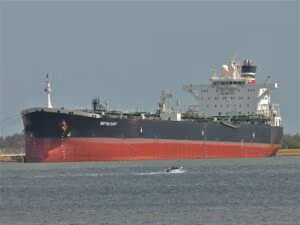


The United States has completed its first sale of Venezuelan oil since the ousting of President Nicolás Maduro, valued at approximately $500 million, according to multiple government sources and international reports, including Semafor.
The transaction marks a milestone in the emerging $2 billion oil export deal between Washington and Caracas, and follows a controversial US intervention earlier this month that deposed Maduro and installed interim leadership.
While the White House has not issued a full official statement confirming the sale, senior administration officials have indicated that the revenue from the initial oil transaction is being held in bank accounts controlled by the U.S. government, including a principal account located in Qatar, reportedly chosen as a neutral venue where funds can move under US oversight and “without risk of seizure.”
The oil sale is part of what U.S. officials describe as a historic energy pact with Venezuela, designed to reintegrate Venezuelan crude into global markets under Washington’s supervision.
“President Trump brokered a historic energy deal with Venezuela, immediately following the arrest of narcoterrorist Nicolás Maduro, that will benefit the American and Venezuelan people,” White House spokesperson Taylor Rogers said in comments reported by news outlets.
The deal comes with a redirection of Venezuelan oil exports from China to the United States, a significant shift given Beijing’s long-standing role as Venezuela’s largest crude buyer. Reuters and other outlets have also reported that the Venezuelan crude sold to traders under U.S. management was priced lower than comparable supplies from Canada and other producers, highlighting competitive pricing pressure in the energy market.
Although the Trump administration has not publicly outlined the rationale for holding proceeds in a Qatar account, sources familiar with the matter said the location serves as a neutral, secure jurisdiction where revenue can be managed with U.S. approval. Qatar’s intermediary role highlights the complexities of handling oil revenues tied to government seizures and sanction regimes.
Analysts note that using foreign accounts to hold revenues from seized oil, instead of domestic Treasury accounts, carries legal and operational uncertainties, especially when it comes to seizure risk, creditor claims, and international financial controls. However, a senior U.S. official told Reuters that the decision reflects efforts to streamline fund flows while protecting them from legal challenges.