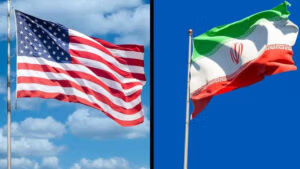

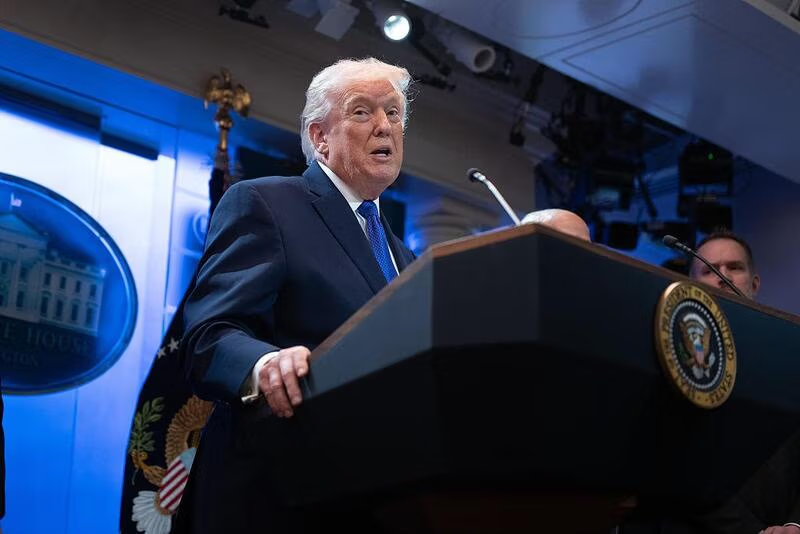
US President Donald Trump has indicated that he is considering a limited military strike on Iran as part of efforts to pressure Tehran into agreeing to restrictions on its nuclear programme, raising fresh geopolitical uncertainty in an already volatile region amidst escalating US-Iran Tension.
Speaking to reporters this week, Trump suggested that a decision on whether the United States would pursue military action could become clear within the next 10 days. His remarks came as Washington continues to increase its military presence in the Middle East while parallel diplomatic negotiations remain underway.
The ongoing US-Iran Tension has significant implications for global security and economic stability.
Military Buildup In The Region
The US has reinforced its regional posture in recent weeks by deploying major naval and air assets. The aircraft carrier USS Gerald R Ford has been moving toward the region, while the USS Abraham Lincoln has also been deployed. Additional destroyers, combat ships, and fighter jets have joined the buildup.
The show of force appears designed to strengthen Washington’s negotiating leverage as talks continue between US and Iranian officials. Satellite imagery has indicated that Iran has simultaneously reinforced certain military facilities, reflecting heightened readiness on both sides.
Iran’s Supreme Leader, Ali Khamenei, has posted statements on social media warning US forces against aggressive action, underscoring the tense atmosphere surrounding the standoff.
Diplomatic Channels Remain Open
Despite the military posturing, negotiations are ongoing. US and Iranian representatives have met in Switzerland to explore a potential framework aimed at curbing Iran’s nuclear activities. Both sides have signalled that progress has been made in the discussions.
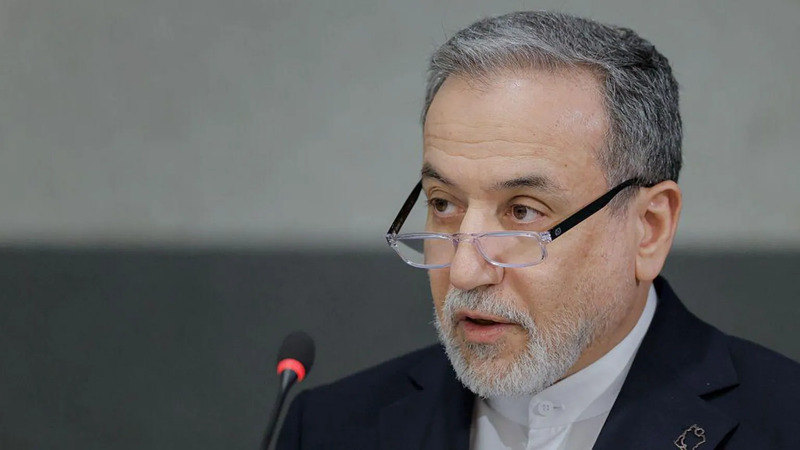
Iran’s Foreign Minister, Abbas Araghchi, has said Tehran is preparing a draft of a possible agreement to present to US Special Envoy Steve Witkoff in the coming days. The proposed draft is expected to outline Iran’s position on enrichment levels, monitoring mechanisms, and sanctions relief.
The United States and several European allies have long maintained that Iran could be moving toward the development of a nuclear weapon, a claim Tehran has consistently denied, stating that its nuclear programme is for peaceful purposes.
Uncertainty Over Scope And Objectives
While Trump has floated the possibility of a limited strike, the administration has not detailed what such an operation would entail. Reports suggest US officials have presented a range of options, from targeted strikes on specific facilities to broader, multi-week campaigns.
Observers note that even a limited operation could trigger wider regional escalation, particularly given Iran’s network of allied groups and its strategic location near key shipping lanes.
Trump’s public comments, delivered during frequent and often extended exchanges with reporters, do not necessarily signal imminent action. He has previously set deadlines or referenced potential moves that later evolved or were superseded by diplomatic developments.
Domestic And Political Considerations
Any decision to pursue military action would also unfold against a complex domestic backdrop. Recent opinion polls have shown growing public scrutiny of the administration’s handling of immigration and economic issues.
A prolonged confrontation with Iran could test segments of Trump’s political base, particularly supporters who favour reduced foreign entanglements. Unlike last year’s brief, one-day strike on Iranian facilities, a broader operation could carry higher financial and political costs.
A Critical Window Ahead
With negotiations reportedly advancing while military forces continue to mobilise, the coming days may prove decisive. The situation reflects a dual-track strategy in which diplomacy and deterrence proceed simultaneously.
Global markets and regional powers are closely monitoring developments, aware that any escalation between Washington and Tehran could have far-reaching implications for energy supplies, shipping routes, and broader Middle East stability.
For now, uncertainty remains the defining feature, as both sides weigh whether a negotiated settlement can be reached before tensions cross a more dangerous threshold.