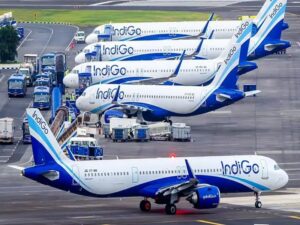


India’s largest airline, IndiGo, is under mounting scrutiny after cancelling more than 200 flights for a second consecutive day, leaving passengers across major metros grappling with delays, long queues, and widespread confusion. The disruption, visible across India’s major cities like Delhi, Mumbai, Bengaluru, and Hyderabad, has raised questions about staffing, operational preparedness, and new regulatory norms.
What Triggered the Meltdown?
As per reports, fresh data from the Ministry of Civil Aviation shows IndiGo recorded just 35% on-time performance on December 2, the lowest among major carriers. By Wednesday afternoon, nearly 200 cancellations were reported across major airports, underscoring the severity of the operational strain.
While media reports pointed to crew shortages, partly linked to an aggressive recruitment drive by a Gulf airline in Delhi and Mumbai this week, IndiGo insisted the situation stemmed from a mix of challenges rather than a single cause.
In its statement, the airline said: “We sincerely apologise to our customers for the inconvenience caused,” adding that disruptions were driven by minor technical issues, winter schedule adjustments, weather factors, air traffic congestion, and updated crew roster rules. According to IndiGo, the combined impact created a situation that “was not feasible to anticipate.”
Which Airports Were Hit the Hardest?
- Delhi (IGI Airport): 67 cancellations — the most severe impact
- Hyderabad (RGIA): 13 cancellations
- Mumbai & Bengaluru: Over 70 cancellations collectively
- Additional disruptions affected services to Kolkata and Srinagar
The cancellations carried into Thursday as well. According to PTI, a source confirmed: “IndiGo has cancelled over 180 flights on Thursday at three airports, Mumbai, Delhi and Bengaluru.” Mumbai alone saw 86 flights cancelled, while Bengaluru reported 73.
What Are Pilot Bodies Saying?
The Federation of Indian Pilots (FIP) has criticised IndiGo’s approach, arguing the airline failed to prepare for the implementation of new Flight Duty Time Limitation (FDTL) norms despite a two-year transition period. FIP stated that IndiGo had “inexplicably” adopted a “hiring freeze,” contributing to the strain on pilot availability.
Their letter to the DGCA urged regulators not to approve seasonal flight schedules unless airlines can operate them “safely and reliably” under the new norms. They further recommended reallocating slots during the busy winter-fog season if IndiGo “fails in delivering on its commitments to passengers due to its own avoidable staffing shortages.”
IndiGo, which operates more than 2,200 flights daily, is facing its most significant operational crisis in months. Crew availability, tighter duty regulations, seasonal weather, and a spike in air traffic have all collided at the peak of India’s holiday travel period, leaving passengers frustrated and the aviation sector on alert.
As the situation continues to unfold, regulators and industry bodies are closely monitoring whether IndiGo can stabilise operations or if deeper systemic issues need addressing.