

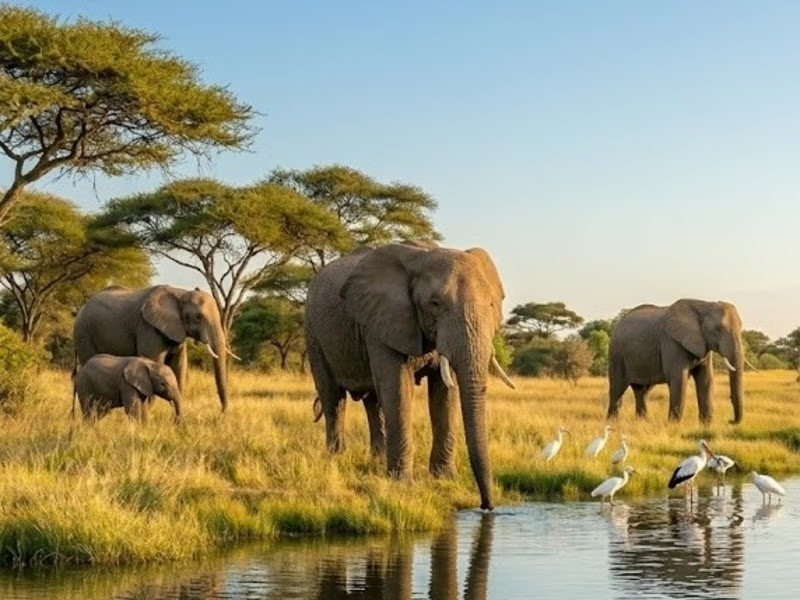
World Wildlife Day 2026 was observed yesterday, March 3, and is marked each year to celebrate wild animals and plants while raising awareness about global conservation efforts. The date marks the anniversary of the signing of CITES on 3 March 1973, one of the most important international agreements protecting endangered species from unsustainable trade.
What Is World Wildlife Day
Every year on March 3, people around the world observe World Wildlife Day — a global celebration dedicated to appreciating wild animals and plants and understanding their deep connections to people and the planet. This day isn’t just symbolic. It reflects one of the most important global commitments of our time, which is protecting Earth’s biodiversity in an era of unprecedented environmental change.
Whether you are a nature lover, a sustainability advocate, a traveler or someone interested in healthy living, World Wildlife Day has meaningful relevance to your life. This article explores its history, why it matters, the official 2026 theme, how wildlife supports everyday life and what we can all do to help.
The Origins of World Wildlife Day: From Treaty to Global Celebration
World Wildlife Day was officially proclaimed by the United Nations General Assembly in December 2013 (resolution A/RES/68/205) to raise awareness of the world’s wild plants and animals and to celebrate the richness of biodiversity on Earth.
The date, March 3, was chosen to mark the anniversary of the signing of the Convention on International Trade in Endangered Species of Wild Fauna and Flora (CITES) on 3 March 1973 in Washington, D.C. CITES is one of the oldest and most impactful international agreements for wildlife protection, regulating international trade in more than 36,000 species of animals and plants — from elephants and orchids to parrots and sharks — to ensure that trade does not threaten their survival in the wild. Today, 183 member countries are party to CITES, making it one of the broadest multilateral conservation efforts in history.
Over time, World Wildlife Day has become a global platform for governments, civil society, researchers, Indigenous Peoples, artists and everyday citizens to join forces in celebrating biodiversity and elevating action.

Image Credit: United Nations / https://www.un.org/en/ccoi/general-assembly?utm_source=chatgpt.com
World Wildlife Day 2026 Theme and Global Focus
For World Wildlife Day 2026, the official theme is “Medicinal and Aromatic Plants: Conserving Health, Heritage and Livelihoods.” This theme highlights how vital wild plants are to human health, culture and economic well‑being.
Medicinal and aromatic plants form the foundation of many traditional healing systems and modern medicines. For example, the well‑known anti‑malarial drug artemisinin was derived from Artemisia annua, a plant long used in Chinese herbal medicine. Similarly, aromatic plants like lavender and rosemary have been used for centuries for their therapeutic and cultural value.
However, these valuable wild species face growing threats. Habitat loss, overharvesting, unregulated trade and climate change are pushing many plants toward decline. According to estimates from global plant assessments, an estimated 20% or more of plant species used for medicinal and aromatic purposes are at risk of extinction unless sustainable practices and stronger protections are implemented.
The theme encourages people everywhere to understand that protecting these plants means protecting human health, cultural traditions and local economies — and that many plant‑derived medicines and wellbeing resources have origins in wild ecosystems.
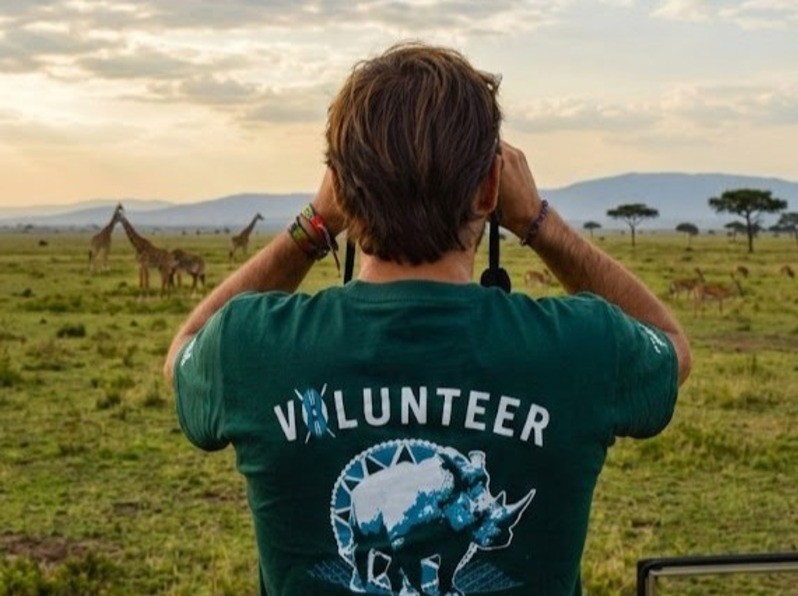
Why Wildlife Matters to Human Well‑Being
Wildlife — including both animals and plants — plays a central role in supporting human life and lifestyle in ways that often go unnoticed. At a basic level, biodiversity provides essential ecosystem services that sustain food systems, climate equilibrium, economic vitality and cultural identity.
1. Food Security and Nutrition
Wild species contribute directly to global nutrition. Wild plants are the source of countless fruits, seeds, greens and fibers consumed by humans and livestock. Wild pollinators such as bees, butterflies and beetles support the reproduction of over 75% of crop species, making them crucial to vegetable, fruit and nut production worldwide.
2. Climate Regulation and Healthy Ecosystems
Forests, wetlands, grasslands and oceans store carbon dioxide, regulate local and global climate and provide clean water and air. Mangrove forests, for instance, are among the most carbon‑rich ecosystems on Earth and support coastal resilience against storms and rising seas.
3. Medicines, Wellness and Traditional Knowledge
More than 40% of today’s pharmaceuticals are derived from natural products found in wild plants, fungi and bacteria. Traditional healing systems such as Ayurveda, Traditional Chinese Medicine and Indigenous healing practices rely on plant biodiversity. Efforts to conserve medicinal plants help preserve cultural heritage as well as modern health discoveries.
4. Economic and Social Value
Wildlife conservation fuels sustainable tourism — a multi‑billion‑dollar global industry. People travel from around the world to experience natural landscapes, view iconic species and support local communities. In many regions, wildlife‑based tourism is a primary source of employment and livelihood.
5. Cultural and Spiritual Connections
For many Indigenous Peoples and local communities, wildlife forms part of cultural identity, spiritual traditions and community knowledge. Protecting wild species supports these relationships and honors ancient wisdom.
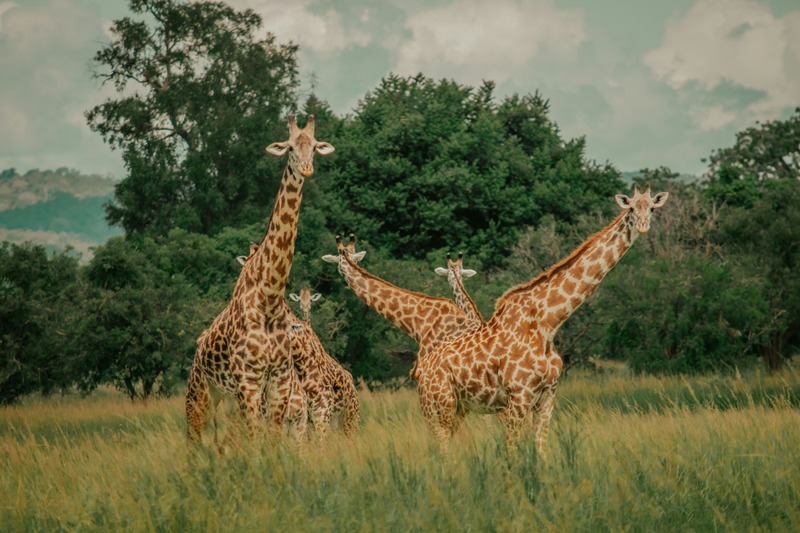
Global Observances and Events for World Wildlife Day
World Wildlife Day is marked by celebrations, campaigns, public dialogues and exhibitions around the world. Notable activities include:
- United Nations Virtual Event: The UN and partner organisations often host a livestreamed event on March 3 featuring experts, conservationists and community voices.
- The Jackson Wild World Wildlife Day Film Showcase: This annual film event showcases wildlife stories from filmmakers around the world, celebrating biodiversity through visual storytelling.
- International Youth Art Contest: Young artists from around the globe contribute artwork inspired by the annual theme.
- Community Events: Local habitat clean‑ups, botanical garden tours, plant‑based cooking demonstrations and guided wildlife walks encourage participation at the grassroots level.
These observances help connect people across ages, cultures and regions through shared commitment to conservation.
Practical Lifestyle Steps to Support Wildlife
You don’t need to be a scientist or conservation professional to help wildlife — everyday lifestyle choices can make a meaningful impact.
1. Buy Responsibly
Choose products certified for sustainability and ethical sourcing. Look for certifications like FairWild (for wild plant products), Rainforest Alliance and organic labeling.
2. Reduce Waste
Minimising plastic use, composting food scraps and reducing waste supports healthy ecosystems. Plastics in oceans and rivers harm wildlife and disrupt habitats.
3. Plant Native Species
Introduce regionally native plants in gardens and balconies to support pollinators and local biodiversity.
4. Practice Ethical Travel
When you travel, choose wildlife‑friendly tours and accommodations. Support providers that respect animal welfare and community rights.
5. Educate and Advocate
Share accurate information about conservation and biodiversity with friends, family and social media. Knowledge fuels action.
A Local Perspective: UAE’s Commitment to Wildlife Conservation
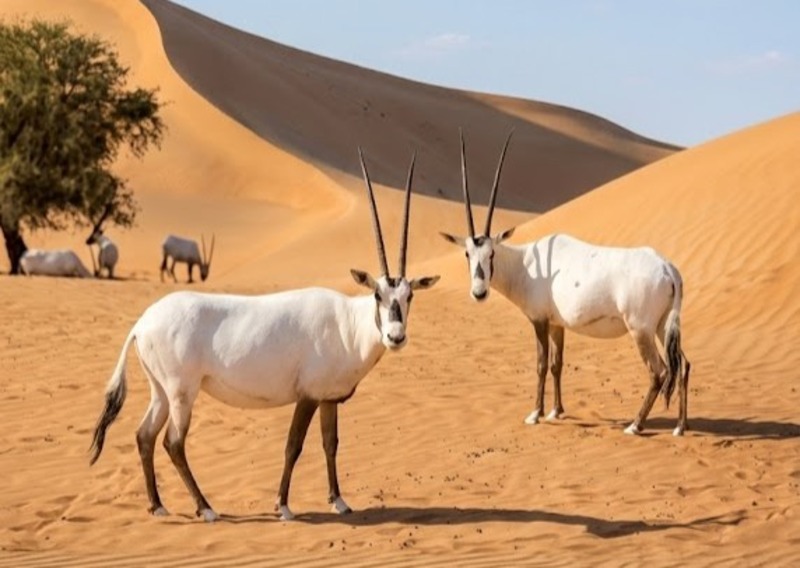
The United Arab Emirates has made notable strides in protecting biodiversity. One of the most celebrated achievements is the successful reintroduction of the Arabian Oryx. Once extinct in the wild in the early 1970s due to overhunting, this striking antelope was reared in captivity and reintroduced into protected areas such as the Dubai Desert Conservation Reserve and Sir Bani Yas Island Wildlife Reserve. Today, the Arabian Oryx stands as a symbol of how coordinated conservation, legal protection and community support can reverse wildlife declines.
The UAE also supports mangrove restoration along its coasts and participates in international conservation partnerships aimed at protecting migratory birds and marine life.
Conclusion: Every Day Is an Opportunity
World Wildlife Day on March 3 is more than a date on the calendar. It is an invitation to deepen our understanding of the interconnectedness between wildlife and human well‑being. From the air we breathe and the food we eat to the medicines that heal us and the traditions that enrich our cultures, wild species shape human life.
As you reflect on the theme of World Wildlife Day 2026, consider ways you can integrate wildlife‑friendly choices into your everyday lifestyle. Small steps taken collectively can make a lasting difference for nature and for future generations.