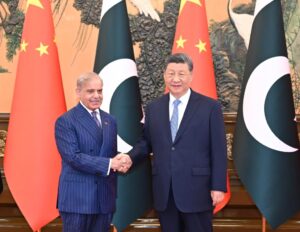

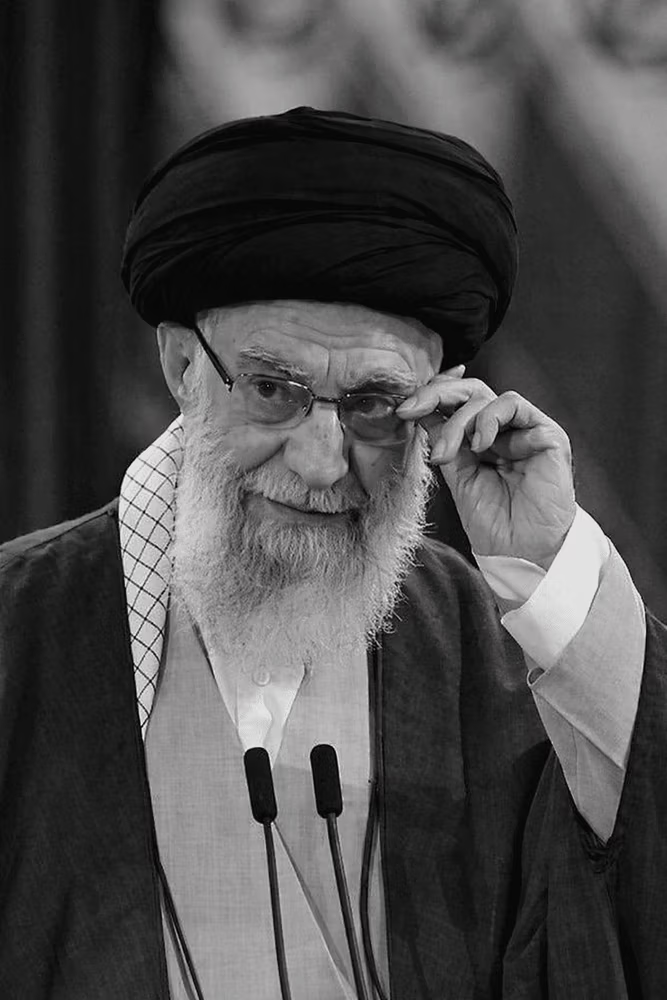
Operation Epic Fury revealed how a complex intelligence network combining hacked surveillance systems, artificial intelligence analysis, and international intelligence cooperation was reportedly used to track Iran’s Supreme Leader in Tehran before the strike in February 2026. The operation relied on years of surveillance, massive intelligence data, and coordination between Israeli and US intelligence agencies to locate Ayatollah Ali Khamenei.
Hacked cameras inside Tehran
One of the earliest elements linked to Operation Epic Fury involved Tehran’s traffic camera network.
According to an Israeli official, traffic cameras across the Iranian capital had been hacked years earlier. These cameras provided analysts with a real-time view of activity across the city, allowing intelligence teams to monitor movement patterns, observe daily routines, and track activity around locations connected to Iran’s leadership.
The cameras helped intelligence analysts build a detailed map of Tehran. Over time they allowed analysts to identify routes, establish behavioral patterns, and observe security arrangements around important compounds.But the surveillance network was only one layer of the system behind Operation Epic Fury.
The AI “target production machine”
At the center of Operation Epic Fury was an intelligence system described by Israeli sources as an AI-powered “target production machine.”
The system processes huge amounts of intelligence gathered from different sources and converts the information into precise strike coordinates. Data collected over the years is fed into powerful computers capable of analyzing massive datasets.
Sources feeding the system included:
•Visual intelligence gathered from surveillance cameras
• Human intelligence from informants
• Signals intelligence, including intercepted communications
• Satellite imagery monitoring strategic sites
• Additional classified intelligence streams
After the information is processed, the system produces a 14-digit grid coordinate that pinpoints the exact location of a potential target. The computing power required for Operation Epic Fury allowed analysts to process enormous volumes of intelligence quickly and detect patterns that human analysts alone might miss.
Human teams verifying the system
Despite the advanced technology behind Operation Epic Fury, the process still relied heavily on human expertise.
Specialized teams worked alongside the AI system to verify the data before any operational decision was taken.These teams included technologists, engineers, intelligence analysts, and operational planners. Their job was to validate the strike recommendations produced by the system and refine the algorithms used to analyze the intelligence.
This human verification process ensured the intelligence used during Operation Epic Fury remained accurate and reliable before any strike was approved.
Long history of intelligence penetration
The capabilities used in Operation Epic Fury were developed over more than a decade.
Israel has repeatedly demonstrated deep intelligence penetration inside Iran. Over the years operations attributed to Israeli intelligence have included the assassination of Iranian nuclear scientists, the theft of Iran’s nuclear archive, and operations targeting senior officials connected to Iran’s nuclear and military programs.
The same intelligence infrastructure was reportedly used during the 12-day conflict between Israel and Iran in June 2025. During those opening strikes, Israeli forces killed several high-ranking Iranian officials, including the head of the Islamic Revolutionary Guard Corps and a close aide to Ali Khamenei.
Officials familiar with the system said the success of earlier operations strengthened confidence in the intelligence tools later used in Operation Epic Fury.
Planning the strike on Khamenei
By early 2026, Operation Epic Fury was activated again as tensions between Israel and Iran escalated.
Israeli officials believed Ali Khamenei felt less vulnerable during daylight hours. During earlier threats he had reportedly taken shelter in underground bunkers and limited communications to avoid detection.
When new intelligence identified an opportunity, planning accelerated.
Israeli Prime Minister Benjamin Netanyahu met US President Donald Trump at the White House on February 11. The private meeting reportedly lasted nearly three hours, and officials later said Netanyahu presented fresh intelligence assessments regarding Iran’s military capabilities.
Those discussions helped shape the final phase of Operation Epic Fury.
The order that launched the operation
The final authorization came days later, on Friday at 3:38 p.m. Eastern Time, President Donald Trump reportedly approved the opening strikes linked to Operation Epic Fury. According to the top US officer Gen. Dan Caine, the message authorizing the operation read:
“Operation Epic Fury is approved. No aborts. Good luck.”
Officials later said the strike was triggered by Israeli forces and enabled by the U.S. Intelligence Community, which provided satellite imagery, intercepted communications, and surveillance intelligence used to pinpoint the location of Iran’s Supreme Leader inside his compound in Tehran.
Within hours, Israeli officials were cautiously optimistic about the results of Operation Epic Fury.
Early Sunday morning, Iran’s state broadcaster confirmed the outcome, announcing: “The Supreme Leader of Iran has Reached Martyrdom.”
The events surrounding Operation Epic Fury demonstrated how modern intelligence operations increasingly rely on artificial intelligence, surveillance networks, and international intelligence cooperation to identify and track high-value targets in complex geopolitical conflicts.