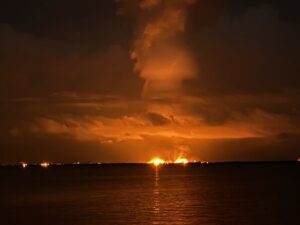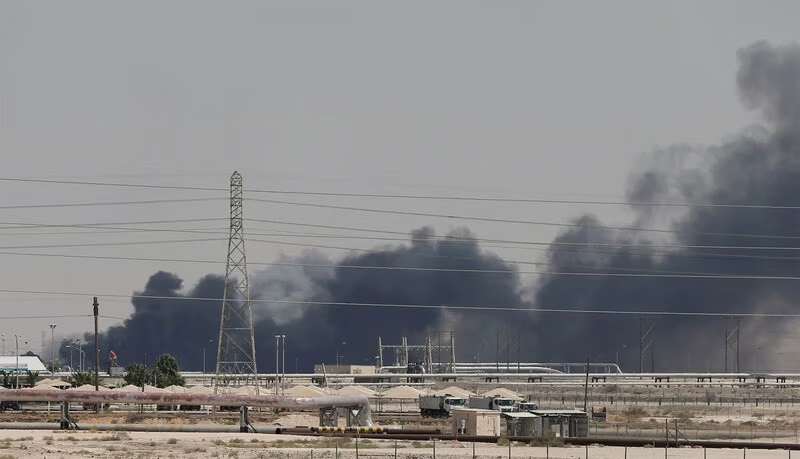
Saudi Arabia said it intercepted a drone targeting its oil-rich eastern region, the latest in a series of incidents underscoring the growing threat to critical energy infrastructure amid escalating tensions in the Middle East.
The Kingdom’s defence authorities said the drone was destroyed before reaching its target, averting potential damage in a region that accounts for a significant share of global oil production.
The incident highlights the increasing vulnerability of energy assets to low-cost aerial threats such as drones, which have become a recurring feature in regional conflicts.
Saudi Arabia’s eastern province is home to some of the world’s largest oil fields and processing facilities, making it a strategic focal point during periods of geopolitical strain.
Recent weeks have seen a rise in attempted attacks on energy infrastructure across the Gulf, with drones and missiles used to target refineries and export hubs. While many of these have been intercepted, the frequency of such incidents has raised concerns among policymakers and market participants.
The developments come at a time when global energy markets are already grappling with supply uncertainty linked to broader tensions in West Asia.
Any sustained disruption to Saudi Arabia’s oil infrastructure could have significant implications for global supply, potentially driving up prices and adding to inflationary pressures.
For now, Saudi Arabia’s air defence systems have contained the immediate threat. But analysts say the growing sophistication and frequency of attacks point to a more fragile operating environment for energy producers in the region.
The episode underscores a broader shift in geopolitical risk, in which energy infrastructure is increasingly targeted, with potential consequences extending well beyond the region.