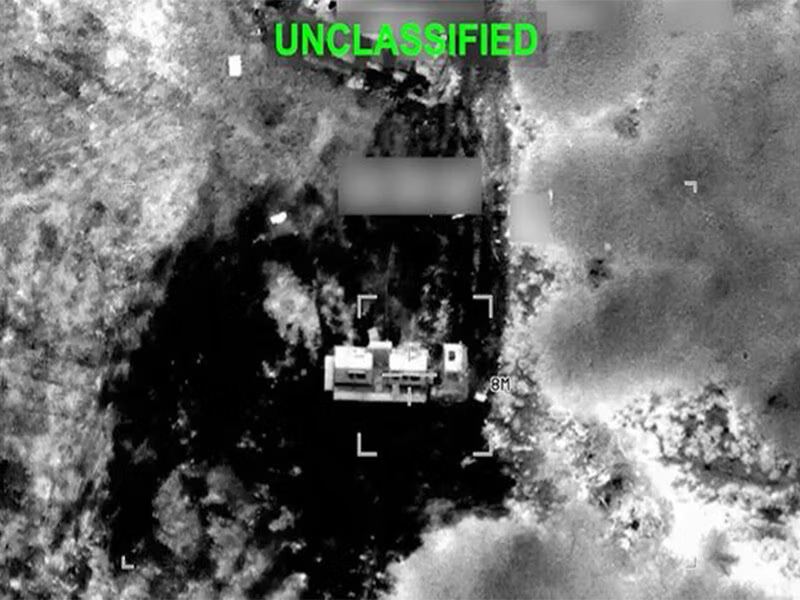
Tehran explosions were reported across multiple districts early Monday after fresh airstrikes targeted the Iranian capital, marking another escalation in the ongoing Middle East conflict.
Local media outlets reported “terrible sounds of explosions” across at least five areas of Tehran, with visuals and eyewitness accounts indicating widespread impact zones. Authorities have yet to confirm the full extent of damage or casualties.
The latest strikes come as part of a sustained military campaign that has intensified over recent weeks, with Tehran emerging as a key target in the conflict involving Israel and its allies. The attacks have increasingly focused on strategic as well as urban locations, raising concerns about civilian safety and infrastructure damage.
The Tehran explosions underscore the deepening volatility in the region, where repeated air raids have become a near-daily occurrence. Analysts note that the targeting of multiple districts suggests a broader operational objective rather than isolated strikes.
Since late February, coordinated military actions have hit several high-value targets across Iran, including government facilities, military installations, and energy infrastructure.
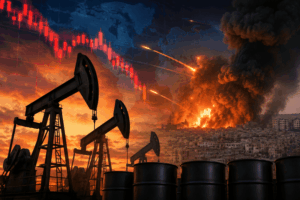
Recent strikes have also impacted key economic assets, including gas fields and fuel depots, triggering disruptions in domestic supply chains and contributing to volatility in global energy markets.
Residents in Tehran have increasingly borne the brunt of the conflict, with repeated explosions disrupting daily life and forcing many to seek shelter or relocate.
Reports indicate that several residential and commercial districts have been affected in recent waves of strikes, though official casualty figures remain unclear. The continued targeting of urban centers has heightened humanitarian concerns, with damage to infrastructure adding pressure on essential services.
The escalation in Tehran comes amid broader geopolitical tensions that are already rippling through global markets. The conflict has placed renewed focus on the stability of the Middle East, particularly given its central role in global energy supply chains.
Disruptions linked to strikes on energy infrastructure have already led to fluctuations in oil and gas markets, with investors closely monitoring developments around the Strait of Hormuz, a critical transit route for global crude shipments.
With no immediate signs of de-escalation, the situation remains fluid. Military activity in and around Tehran is expected to continue, with further strikes likely as both sides pursue strategic objectives.
For now, the Tehran explosions serve as a stark reminder of the conflict’s expanding footprint, with implications that extend well beyond the region.