
The conflict in West Asia continued to intensify on Wednesday, even as Iran signalled a partial reopening of the Strait of Hormuz, offering limited relief to global energy markets while underscoring ongoing uncertainty around the crisis.
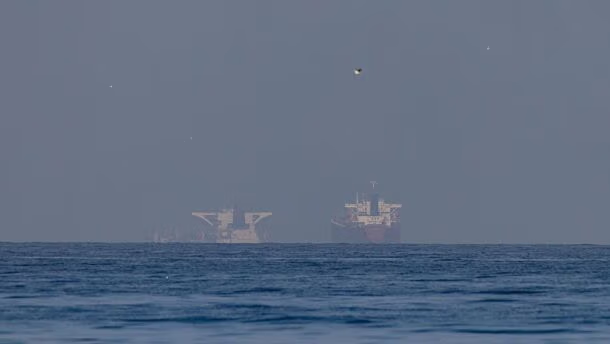
Tehran said the strategic waterway would be open to “non-hostile vessels,” following weeks of disruption that had constrained shipping through one of the world’s most critical energy corridors. The Strait of Hormuz handles roughly a fifth of global oil flows, making any disruption a key driver of volatility in international markets.
The development comes amid continued military exchanges across the region, with strikes reported in Iran, Israel, and Lebanon, highlighting that the security situation remains fragile despite signs of limited operational easing in maritime routes.
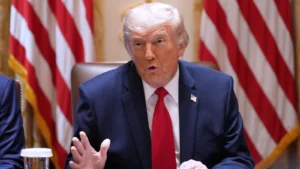
Diplomatic signals have remained mixed. US President Donald Trump has said negotiations to end the conflict are underway, with senior officials engaged in discussions. However, Iranian authorities have denied any such talks, dismissing the claims and maintaining that no formal negotiations are taking place.
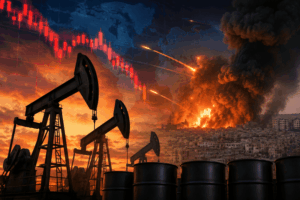
Markets have reacted cautiously to the developments. Oil prices, which had surged sharply in recent weeks amid fears of supply disruption, have shown signs of easing on expectations that the situation may not escalate further in the immediate term. However, analysts warn that volatility is likely to persist in the absence of concrete diplomatic progress.
Shipping activity through the Strait remains below normal levels, with security concerns, restrictions, and selective access continuing to affect global trade flows. Industry participants say that even partial disruptions in the corridor can have outsized effects on supply chains and pricing.
The United States has increased its military presence in the region, while international efforts to mediate a de-escalation continue, involving multiple stakeholders seeking to stabilise the situation.
The evolving crisis reflects a dual dynamic: continued escalation on the ground alongside tentative and disputed diplomatic signals. For global markets, the trajectory of oil prices and trade flows will depend on whether these diplomatic efforts translate into sustained stability or remain overshadowed by ongoing conflict.