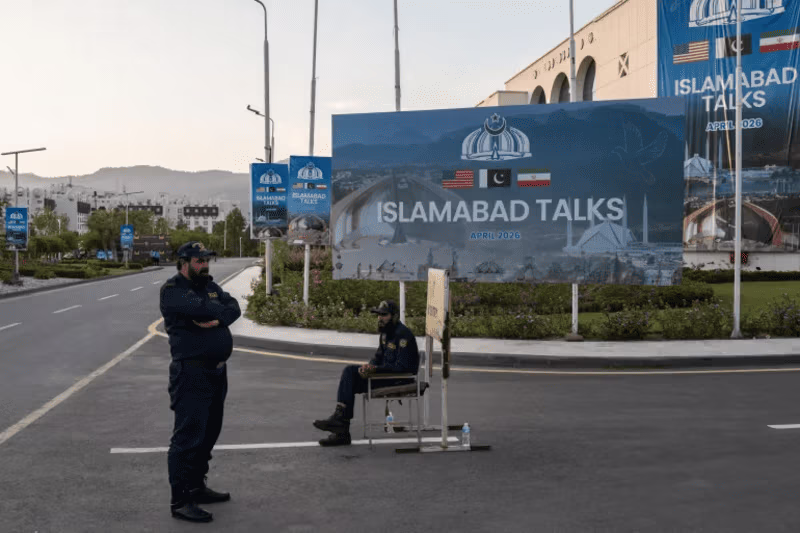
Efforts to ease tensions between the United States and Iran appear to be entering a crucial phase, with Pakistan emerging as a potential venue for the next round of negotiations. Reports suggest that both sides could reconvene in Islamabad as early as Monday, signaling a renewed push to keep diplomatic channels open despite the fragility of the current ceasefire.
The possible resumption of talks comes at a time when the broader conflict has already begun to reshape global markets and geopolitical alignments. Energy supply disruptions, oil price volatility, and concerns over the security of key trade routes have all heightened the urgency of a negotiated outcome.
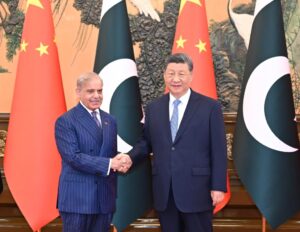
Pakistan’s growing role as a mediator reflects a broader shift in how the conflict is being managed diplomatically. Positioned strategically and maintaining working relationships with multiple stakeholders, Islamabad has emerged as a neutral ground where both sides can engage without the pressures of traditional negotiation arenas.
While earlier discussions failed to produce a concrete breakthrough, they did establish a framework for continued dialogue. That, in itself, is significant given the long-standing mistrust and complexity that define US-Iran relations. The upcoming round, if it materializes, is expected to build on those initial exchanges, with a sharper focus on narrowing differences rather than reopening foundational disagreements.
At the heart of the negotiations lie familiar but deeply contested issues. Iran’s nuclear program remains a central concern for Washington, while Tehran continues to push for sanctions relief and security assurances. These positions have historically proven difficult to reconcile, and there is little indication that the gap has narrowed substantially.
Yet, the current geopolitical environment may be forcing a degree of pragmatism on both sides. The economic impact of the conflict, combined with pressure from global partners affected by energy market disruptions, is creating incentives to at least explore incremental progress.
For markets, the talks carry significant weight. Even the prospect of renewed dialogue can influence investor sentiment, particularly in commodities and currencies. A credible path toward de-escalation could stabilize oil prices and reduce volatility, while any sign of breakdown could quickly reverse those gains.
Uncertainty, however, remains the defining feature. Officials have not formally confirmed the schedule, and the success of the talks will depend not just on willingness to engage, but on the ability to move beyond entrenched positions.
Still, the fact that both sides are considering returning to the negotiating table suggests that diplomacy remains the preferred path, even in a highly charged environment.
As the situation evolves, Islamabad could find itself at the center of one of the most consequential diplomatic efforts of the year, with outcomes that may extend far beyond the region.