The Israel-Lebanon ceasefire of 2026 marks a temporary pause in hostilities, as Israel and Lebanon agreed to a 10-day truce following U.S.-brokered talks aimed at easing tensions in the region.
The ceasefire, which came into effect Thursday evening, is seen as a short-term de-escalation in a conflict that has run parallel to the broader war involving Iran and its regional allies. The agreement is expected to create space for further diplomatic engagement, including potential follow-up talks in the coming days.
Officials indicated that the understanding includes a framework to work toward longer-term stability, with discussions focused on border security, sovereignty, and conditions for sustained peace. However, key issues remain unresolved, particularly around the role of Hezbollah and Israel’s military posture in southern Lebanon.
Israeli Prime Minister Benjamin Netanyahu said the ceasefire presents an opportunity to pursue a broader agreement but reiterated that Israel’s core demand remains the dismantling of Hezbollah’s military capabilities. He also signaled that Israeli forces would maintain a security presence in parts of southern Lebanon.
On the other side, Hezbollah indicated that any truce must not allow unrestricted Israeli military activity within Lebanese territory, highlighting the deep mistrust that continues to define the conflict.
The agreement comes at a critical moment for regional diplomacy. A pause in fighting in Lebanon could support parallel negotiations involving Iran, particularly on nuclear and security concerns, in which multiple international actors are engaged.
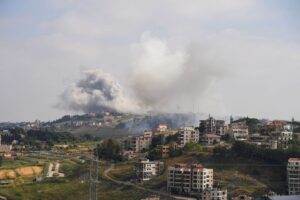
Despite the ceasefire announcement, fighting continued in parts of southern Lebanon in the hours leading up to the truce, underlining the fragile nature of the situation on the ground.
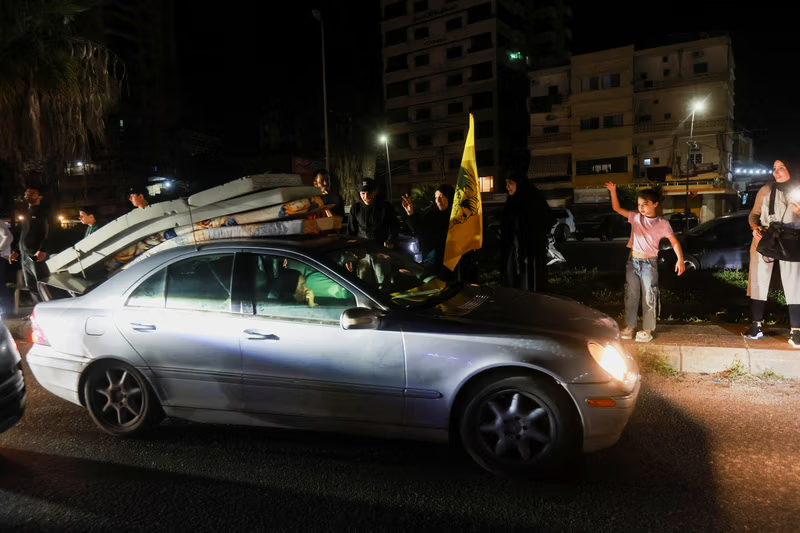
The conflict has had a significant humanitarian and economic impact. Lebanese authorities report that more than 2,100 people have been killed since early March, with over 1.2 million displaced. Israeli officials have also reported casualties from cross-border attacks.
The situation has also disrupted global energy markets, with tensions affecting key supply routes and contributing to volatility in oil prices.
Lebanese Prime Minister Nawaf Salam welcomed the ceasefire, describing it as aligned with Lebanon’s push for de-escalation. However, local sentiment remains cautious, with concerns over whether the truce can hold given unresolved military and political differences.
The coming days are expected to be critical in determining whether the ceasefire evolves into a more durable arrangement or remains a temporary pause in a prolonged conflict.