

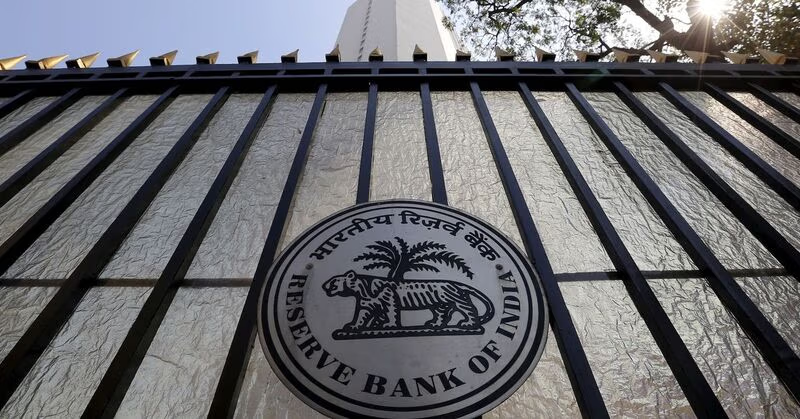
India’s central bank has initiated discussions with global regulators and domestic lenders to assess emerging risks associated with a fast-evolving financial segment known as “Mythos,” as authorities seek to stay ahead of potential systemic vulnerabilities.
The Reserve Bank of India is engaging with international counterparts and banks to better understand the structure, scale, and interconnected risks associated with these instruments, which are gaining traction across global markets.
The move reflects growing regulatory caution as financial innovation accelerates, often outpacing existing oversight frameworks. While “Mythos” remains a relatively new and loosely defined segment, it is understood to involve complex financial structures that could pose risks similar to those seen in past episodes involving opaque instruments.
According to a Reuters report, the RBI is working closely with global regulators to map potential exposure across banking systems and assess whether existing safeguards are sufficient to manage any spillover risks. The discussions are also aimed at ensuring that Indian banks remain insulated from external shocks that could arise if these products face stress.
Banks have been asked to review their exposure and strengthen internal risk management frameworks, particularly in areas related to cross-border transactions and complex financial instruments.
The development comes at a time when regulators worldwide are tightening scrutiny over emerging financial products, especially those that combine elements of technology, leverage, and global capital flows.
While there is no immediate indication of systemic risk, the RBI’s proactive approach signals a clear intent to avoid a repeat of past financial disruptions by identifying vulnerabilities early.
The outcome of these consultations could shape future regulatory guidelines, both in India and globally, as policymakers seek to strike a balance between encouraging innovation and maintaining financial stability.