

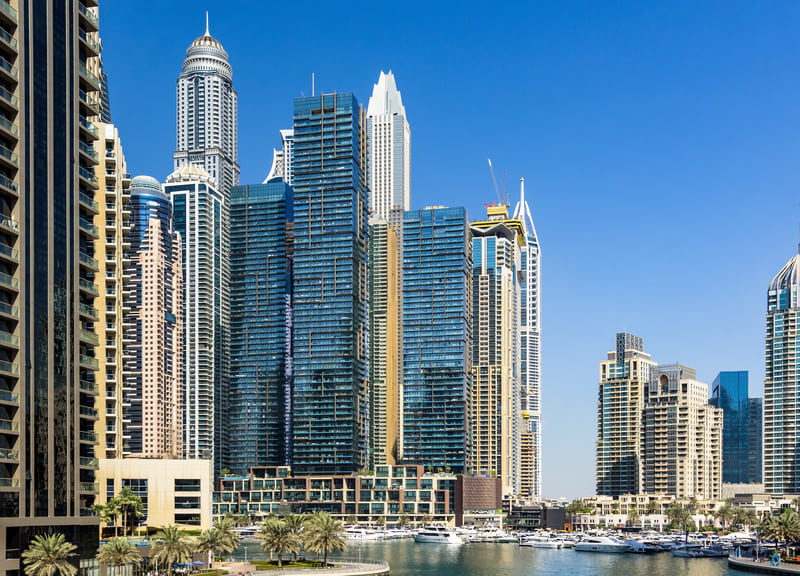
Dubai’s residential property market is showing resilience despite broader geopolitical uncertainty, with prices continuing to rise and leading brokerages maintaining confidence in the emirate’s long-term real estate outlook.
According to new data released by Property Finder, average residential sale prices in Dubai climbed 21.1 percent year-on-year as of April 2026, reaching AED2.21 million, while remaining largely stable on a quarterly basis.
The figures suggest that while market activity has moderated from the rapid pace seen earlier in the year, demand continues to hold up across key residential segments.
Rental trends have also begun to stabilize following sharp increases during the opening months of 2026. Residential rents in Dubai declined 6.7 percent from January and February peaks to an annual average of AED140,000, though they remain broadly flat compared with the same period last year.
The commercial real estate sector, meanwhile, has continued to strengthen. Commercial rents rose 21.2 percent year-on-year to AED200,000, while commercial sale prices increased 12.9 percent annually, reflecting continued business expansion and investor demand across the emirate.
Industry leaders say buyer sentiment has improved in recent weeks despite earlier concerns linked to regional instability and market uncertainty.

Sam McCone, Managing Partner of McCone Properties, said activity has begun recovering after an initial period of caution among buyers and sellers.
“During the beginning of this conflict, there were a lot of people who were uncertain of where the market was heading, but now we’ve seen that that has shifted,” he said. “The momentum has swung the other way, and there are a lot of buyers that are starting to look at ways to capitalize on this opportunity.”
McCone noted that established communities such as Downtown Dubai are seeing renewed interest as investors prioritize mature, supply-constrained locations during periods of uncertainty.
Confidence in the market is also reflected in direct investment activity by brokerage firms themselves.
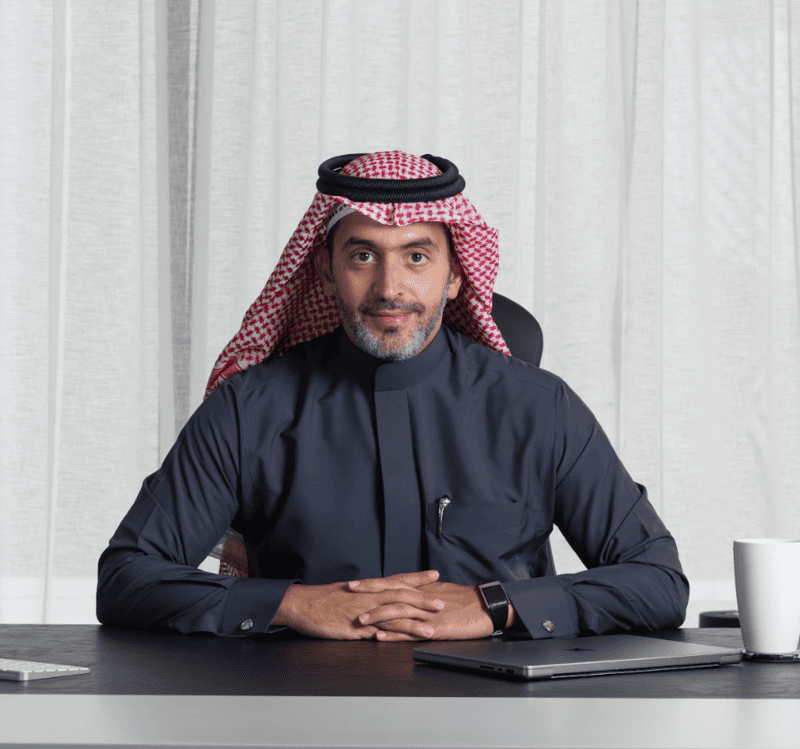
Abdulla Al Ajaji, Founder and Chief Executive Officer of Driven Properties, said the company recently acquired two residential buildings on its own balance sheet, including assets in City Walk and Meydan’s Polo Residences.
“These are times when asset prices can become much lower than their intrinsic value,” Al Ajaji said. “This is where we make moves.”
He identified areas, including Downtown Dubai, City Walk, Jumeirah Bay Island, La Mer, and the Canal District, as among the most resilient locations due to limited future supply and sustained long-term demand.
Data from Property Finder also points to continued buyer engagement despite shifting market conditions.
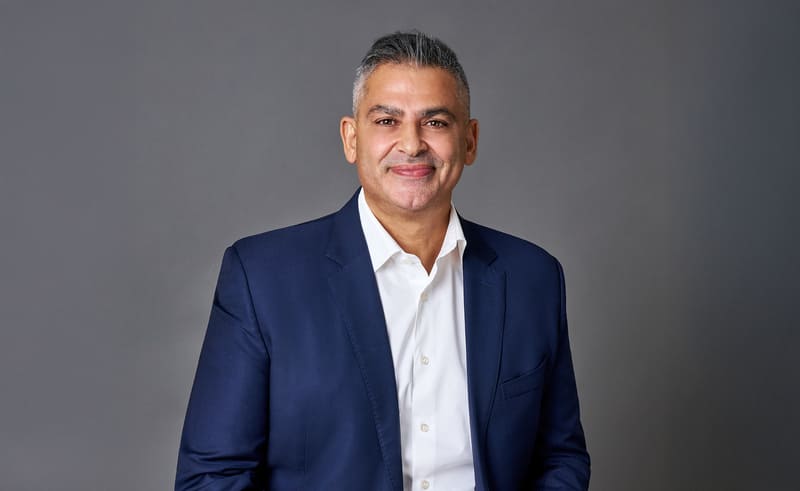
Cherif Sleiman said platform search activity remained steady in recent weeks, with villa searches rising to 42 percent of all sale searches, up from 39 percent a year earlier. Primary market transactions also grew 18 percent year-on-year.
The latest data reinforces Dubai’s position as one of the region’s strongest-performing real estate markets, supported by population growth, international investment inflows, business migration, and continued economic diversification efforts.
While higher interest rates and geopolitical risks continue to shape investor sentiment globally, Dubai’s real estate sector has so far demonstrated resilience, particularly in premium and established communities where supply remains constrained.
The findings were released as part of “Bold Call,” a new video series launched by Property Finder featuring market commentary from leading brokerage executives across the UAE.