

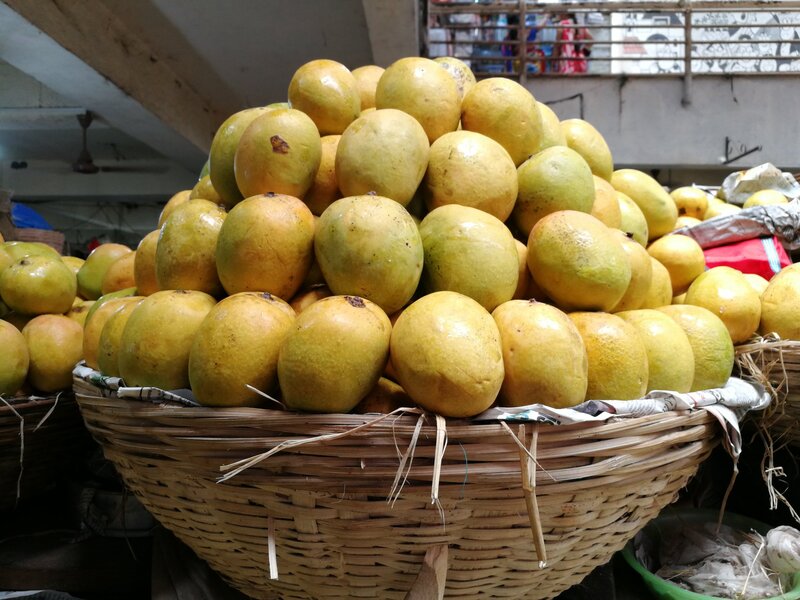
Japan has suspended imports of fresh mangoes from India for the 2026 season after quarantine inspectors identified deficiencies in fumigation and disinfection procedures at Indian treatment facilities, disrupting a trade corridor that had remained operational for nearly two decades.
The move affects several premium Indian mango varieties exported to Japan, including Alphonso, Kesar, Langra, and Banganapalli, during the peak April-to-June export season.
According to a formal notice issued by the Yokohama Plant Protection Association on March 31, Japanese authorities will reject mango consignments carrying Indian inspection certificates issued on or after March 25, 2026. Imports will remain suspended until operational standards improve at approved treatment facilities.
The suspension follows inspections conducted in March by Japanese quarantine officers at vapour heat treatment facilities in Rehmanpur, Uttar Pradesh. Inspectors reportedly found shortcomings in fumigation and related disinfection protocols required under Japan’s strict phytosanitary regulations.
Japan maintains some of the world’s strictest agricultural import standards, particularly concerning fruit flies and invasive pests that could threaten domestic agriculture. Under the bilateral protocol governing mango exports, Indian mangoes destined for Japan must undergo vapour heat treatment under the supervision of Japanese inspectors before shipment.
The latest suspension marks the first time since 2006 that Japan has halted Indian mango imports. Tokyo had originally imposed a ban in 1986 over concerns surrounding fruit fly infestations before lifting it after extensive scientific reviews and negotiations between the two countries.
While Japan represents a relatively small share of India’s total mango exports, the market remains strategically important because of the premium pricing it offers exporters. According to APEDA data cited in reports, India exported approximately 29,938 metric tonnes of fresh mangoes globally in FY2024-25, valued at around US$56.5 million. Exports to Japan accounted for roughly US$1.54 million during 2025-26.
The suspension comes during an already difficult season for Indian mango exporters, who are also grappling with lower crop yields caused by extreme heat conditions in Maharashtra’s Alphonso-producing regions and rising freight costs linked to geopolitical disruptions in West Asia.
Exporters have raised concerns over the blanket nature of the suspension, with some questioning whether the compliance requirements and treatment systems have become excessively restrictive.
Indian authorities have not yet publicly announced a timeline for resolving the issue, and it remains unclear whether the suspension will be lifted before the current export season ends.