
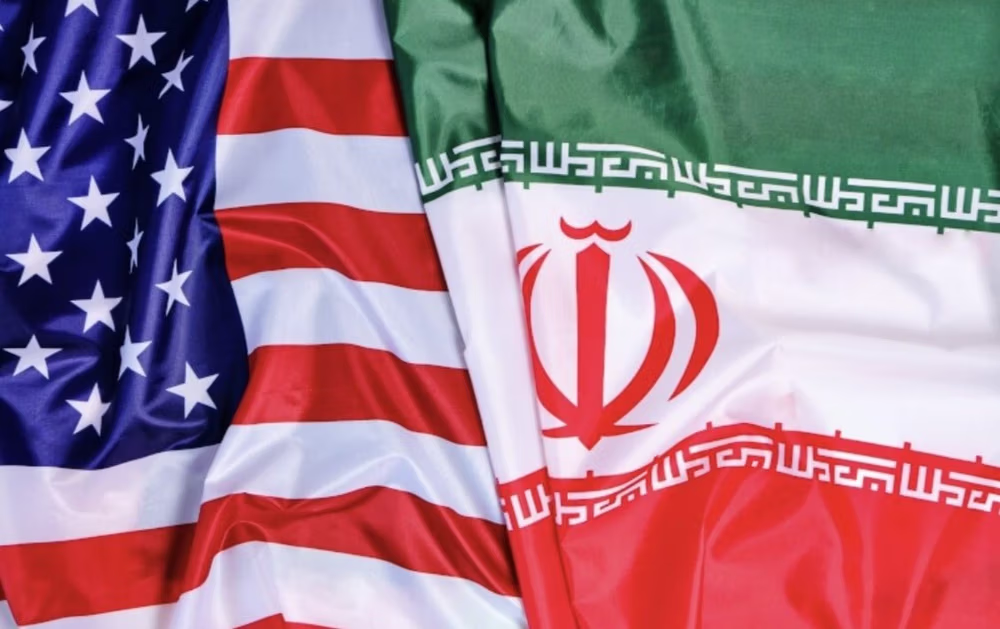
US-Iran nuclear talks restarted in Geneva on Thursday, bringing senior officials back into indirect negotiations amid heightened military alert and growing regional uncertainty.
The discussions, mediated by Oman, mark the latest attempt to stabilise a dispute that has spanned more than two decades. At the centre of the negotiations is Iran’s uranium enrichment programme, which Washington and its allies argue could shorten the pathway to a nuclear weapon. Tehran continues to insist that its nuclear activities are for civilian energy and research purposes.
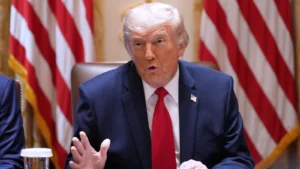
The diplomatic engagement follows weeks of intensified rhetoric from both sides. US President Donald Trump has publicly stated that diplomacy remains his preferred option, while warning that Iran will not be allowed to acquire a nuclear weapon. In parallel, the United States has repositioned military assets across the Middle East, a move analysts describe as strategic signalling rather than a declaration of imminent conflict.
Iranian Foreign Minister Abbas Araghchi is leading Tehran’s delegation. Prior to the Geneva session, he held consultations with Oman’s Foreign Minister Badr Albusaidi, who is acting as intermediary between the two sides. Iranian officials have indicated they are prepared to present proposals to reach what they describe as a balanced, time-bound agreement.
However, differences remain substantial. One of the central sticking points is the sequencing of sanctions relief in exchange for nuclear restrictions. Washington has emphasised verification and compliance measures before any meaningful easing of sanctions. Tehran is seeking guarantees that sanctions will be lifted in a durable manner.
US officials have also pointed to Iran’s ballistic missile capabilities as a broader security concern, although Tehran has signalled reluctance to expand the scope of talks beyond nuclear issues.
The head of the International Atomic Energy Agency is expected to hold consultations on the sidelines of the talks, underscoring the role of international monitoring in any potential framework.
The negotiations are unfolding against a complex domestic backdrop in Iran, where economic pressure linked to sanctions continues to weigh on growth and currency stability. For Washington, the talks carry strategic implications ahead of a sensitive geopolitical cycle that includes energy security and alliance management in the Gulf.
Energy markets have reacted cautiously. Oil prices have firmed in recent sessions as traders assess the possibility of supply disruptions should diplomacy fail. At the same time, inventory data and broader macroeconomic signals have capped sharper price movements.
While neither side has indicated a breakthrough is imminent, both appear to be balancing negotiation with deterrence. The coming days in Geneva are likely to determine whether the current diplomatic window expands into a structured agreement or narrows further under mounting political pressure.