Tensions in the Middle East intensified sharply after the United States carried out fresh military strikes targeting Iranian assets near the Strait of Hormuz, further complicating already fragile negotiations aimed at ending months of conflict between Washington and Tehran.
According to US officials, American forces struck an Iranian military site in Bandar Abbas and intercepted multiple Iranian drones near the Strait of Hormuz in what Washington described as “defensive” operations.
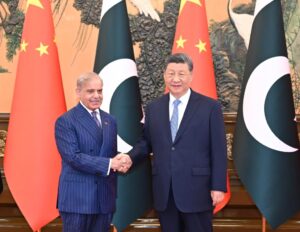
The latest escalation comes amid ongoing diplomatic efforts involving the United States, Iran, Pakistan, and Oman to secure a broader ceasefire agreement and reopen commercial shipping routes through the strategically vital Strait of Hormuz, which handles a major share of global oil exports.
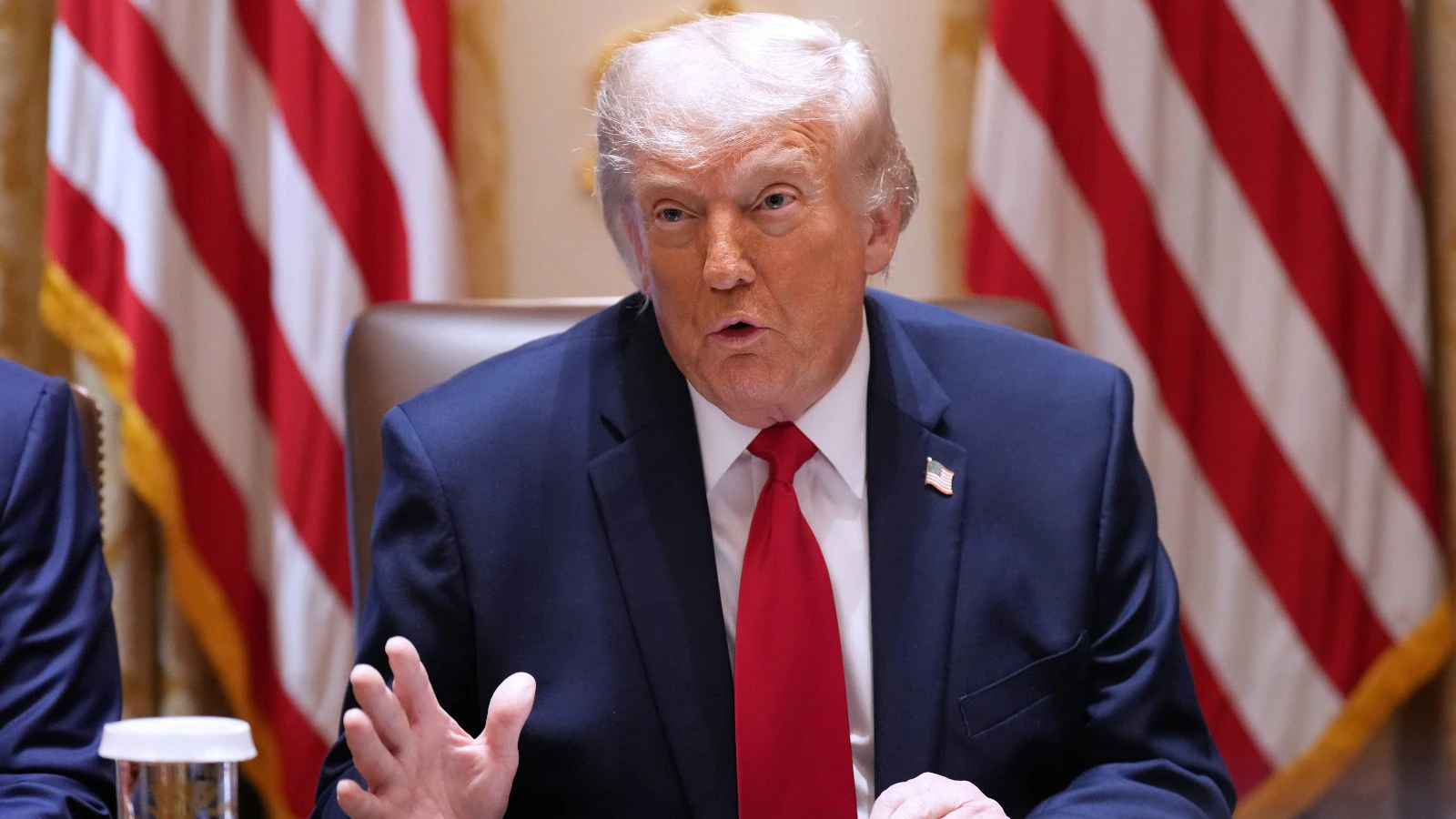
US President Donald Trump said Iran was “negotiating on fumes” and claimed Tehran’s economy was under severe pressure from inflation, sanctions, and military losses. He warned that Washington could intensify military action if negotiations collapse.
Trump also insisted that no country would be allowed to control the Strait of Hormuz, dismissing reports from Iranian state media suggesting a draft framework involving joint management of the waterway with Oman.
Meanwhile, Iran accused the United States of violating an existing ceasefire arrangement and responded with retaliatory actions targeting a US military base, according to Iranian state media and regional reports.
The broader regional conflict has increasingly expanded beyond Iran.
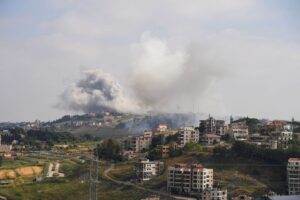
In Lebanon, Israeli forces launched more than 120 air strikes this week in one of the heaviest bombardments in recent weeks, while clashes with Hezbollah intensified along southern border regions.
Israeli officials have also continued military operations in Gaza, while Lebanon’s National News Agency reported new strikes targeting homes and infrastructure in southern Lebanese towns.
The conflict has rattled global markets, with oil prices remaining volatile as investors monitor the risk of disruption to energy supplies passing through the Gulf. Brent crude and US crude futures have swung sharply in recent sessions as reports of possible Hormuz reopening negotiations competed with fears of renewed military escalation.
Analysts warn that any prolonged disruption in the Strait of Hormuz could significantly impact global shipping, inflation, and energy markets, particularly for Asian and European economies heavily dependent on Gulf oil exports.