
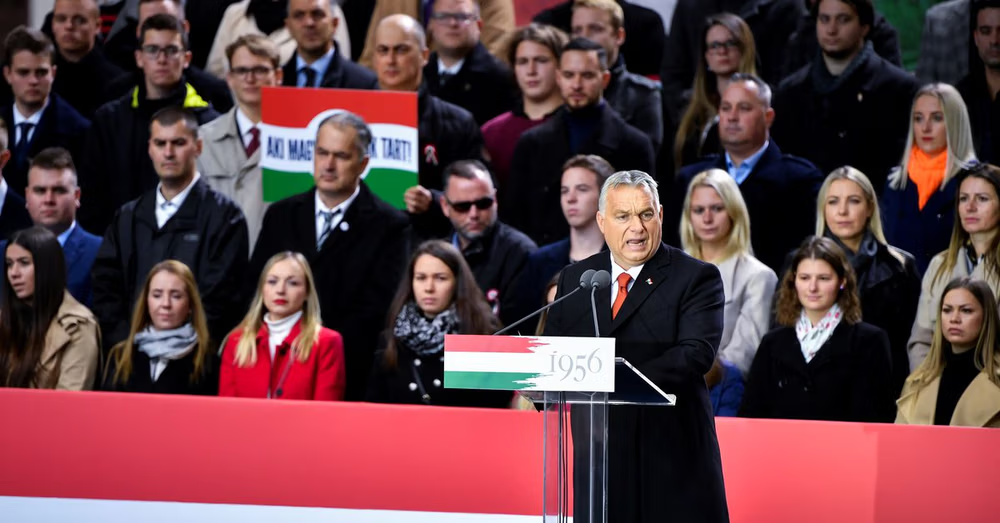
Hungary’s election defeat of Orbán has reshaped the country’s political landscape, with voters removing long-serving Prime Minister Viktor Orbán after 16 years in power in a result that could carry significant implications for Europe and global politics.
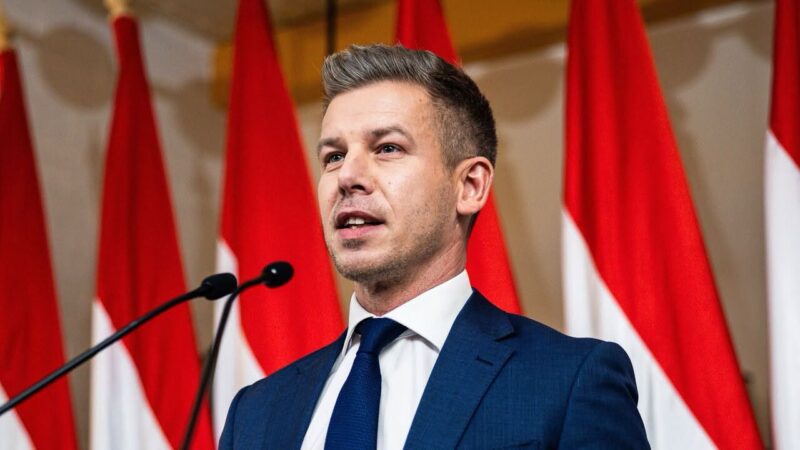
The election delivered a decisive victory for Péter Magyar, a former ally of Orbán who campaigned on anti-corruption measures and improvements to public services. Magyar’s Tisza party secured a clear lead in the vote, reflecting a shift in public sentiment after more than a decade of nationalist governance under Orbán’s Fidesz party.
Orbán conceded defeat, calling the outcome “painful,” marking a rare political reversal for one of Europe’s most entrenched leaders. His tenure had made him a central figure in the rise of nationalist and far-right movements globally, with close ties to leaders such as Donald Trump and Vladimir Putin.
Magyar’s victory signals a potential reset in Hungary’s relationship with Western institutions. He has pledged to rebuild ties with the European Union and NATO, both of which experienced friction during Orbán’s leadership. Hungary had frequently clashed with EU partners, with Orbán using veto powers to block key decisions, including financial support measures for Ukraine.
The outcome could alter internal dynamics within the EU, where Orbán had been a disruptive force, often challenging consensus on issues ranging from sanctions to migration policy. European leaders moved quickly to congratulate Magyar, signaling support for a more cooperative approach from Budapest.
Domestically, the vote reflected a strong turnout, approaching record levels in Hungary’s post-communist era. With more than 90 percent of ballots counted, Magyar’s party secured over half the vote, comfortably ahead of Fidesz. However, it remains unclear whether his coalition will achieve the two-thirds parliamentary majority required to implement sweeping legislative changes.
Orbán’s rule had been marked by a consolidation of power across institutions, including media and the judiciary, alongside policies critics described as undermining democratic norms. His government has faced repeated allegations of corruption and favoritism toward aligned business interests, which he has denied.
The election also carries symbolic weight beyond Hungary. Orbán had been viewed by many conservative movements globally as a model of nationalist governance, while critics saw his administration as a test case for democratic backsliding within the EU.
Magyar’s rise has been rapid. Breaking with Fidesz in 2024, he built a national campaign centered on governance reforms and Hungary’s place within Europe. His message appeared to resonate with voters seeking both economic stability and a recalibration of foreign policy.
The transition now raises key questions for Europe, particularly regarding Hungary’s stance on Ukraine and its relationship with Russia. Orbán had maintained close ties with Moscow and resisted efforts to reduce dependence on Russian energy, positions that may shift under new leadership.