

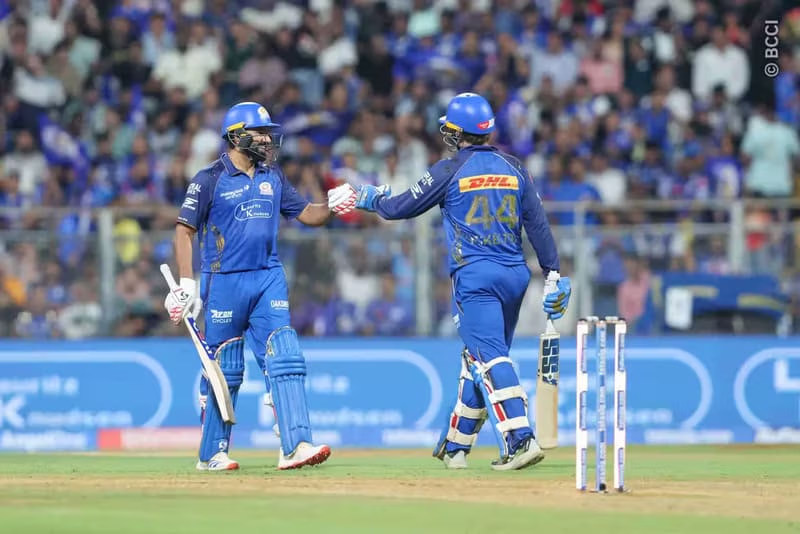
In a high-scoring encounter at the Wankhede Stadium, the Mumbai Indians delivered a statement performance, chasing down a massive target set by the Lucknow Super Giants in Match 47 of the Indian Premier League 2026 season.
Batting first, Lucknow Super Giants posted a formidable total of 228/5 in their 20 overs, powered by a strong middle-order effort and an aggressive finish. Key contributions came from players like Aiden Markram and Himmat Singh, who stitched together a crucial partnership to push the total beyond 220.
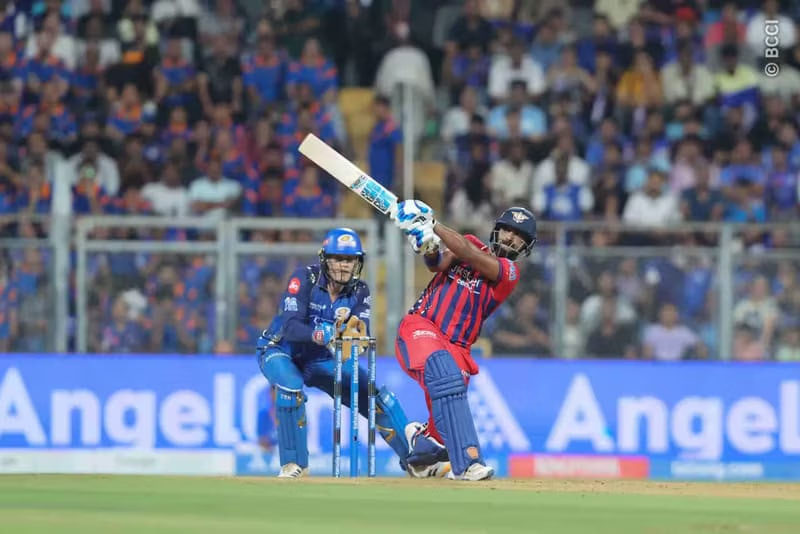
Despite the daunting target, the Mumbai Indians responded with intent. The chase got off to a flying start, with the top order laying a strong foundation in the powerplay. Openers, including Rohit Sharma and Ryan Rickelton, took on the Lucknow bowlers early, setting the tone for what would become a historic run chase.
As the innings progressed, Mumbai maintained momentum with aggressive stroke play and calculated risk-taking. The team successfully chased down the 229-run target, marking one of the highest successful chases in IPL history.
The match highlighted the batting-friendly nature of the Wankhede pitch, where high-scoring contests have become the norm. Both teams capitalized on the conditions, but it was Mumbai’s composure under pressure that proved decisive.
For Lucknow, the loss exposed bowling vulnerabilities despite posting a commanding total. While their batting unit delivered, the inability to defend such a high score will raise concerns as the tournament progresses.
For the Mumbai Indians, the win comes as a major boost in what has otherwise been a challenging season. With both teams struggling near the bottom of the table coming into the match, the victory keeps Mumbai’s playoff hopes alive, at least mathematically.
The clash not only delivered entertainment but also underscored the unpredictable nature of T20 cricket, where even totals above 220 are no longer safe.