

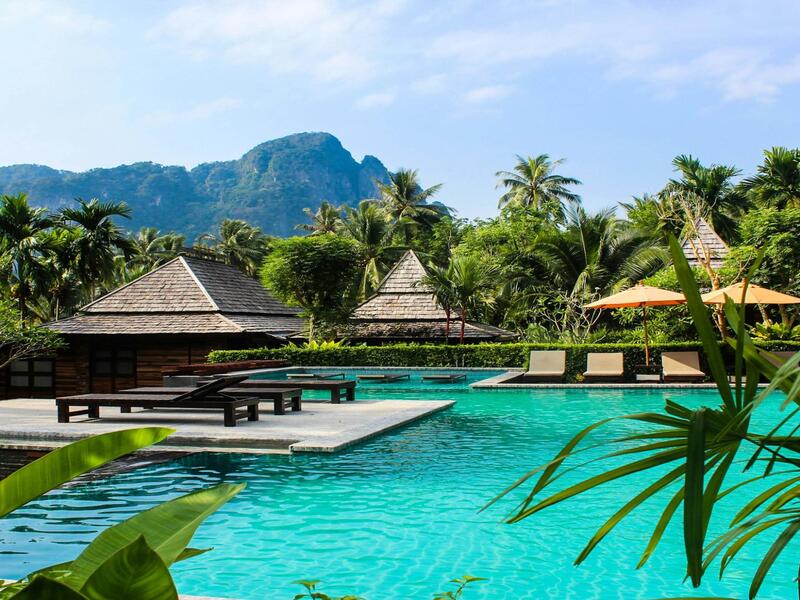
Thailand’s luxury travel 2026 is undergoing a clear shift, as the country repositions itself toward high-value, experience-led tourism where sustainability and exclusivity increasingly go hand in hand, according to the Tourism Authority of Thailand.
The strategy reflects a broader recalibration in global travel trends, with Thailand focusing on attracting discerning travelers seeking privacy, immersion, and responsible tourism, particularly from the Middle East.
“Luxury in Thailand is being rewritten. Not through excess, but through intention,” the Tourism Authority of Thailand said, highlighting a move toward more thoughtful, experience-driven travel.
At the center of this transformation is a new generation of luxury hospitality offerings that integrate sustainability into their core design and operations. Resorts such as Six Senses Yao Noi, Four Seasons Resort Chiang Mai, and Anantara Golden Triangle Elephant Camp & Resort are positioning themselves around eco-conscious design, cultural immersion, and conservation-led experiences.
In southern Thailand, properties like Soneva Kiri are blending high-end comfort with environmental stewardship, offering what the industry increasingly calls “barefoot luxury,” in which design and experience are closely tied to the surrounding natural ecosystem.
Beyond accommodation, the shift is visible in curated travel experiences. Private treks in Doi Inthanon, guided exploration in Chiang Dao, and marine journeys through Phang Nga Bay are being designed to offer deeper engagement with nature and local communities, moving away from traditional, high-volume tourism models.
“Sustainability is not positioned as a compromise,” the authority noted, adding that more than 100 hotels across the country are now part of structured programs focused on energy efficiency, waste reduction, and community integration.
For travelers, this translates into experiences that maintain a high level of comfort while reducing environmental impact, aligning with evolving consumer expectations around responsible travel.
Thailand’s positioning also highlights its continued appeal as a safe and accessible destination, with strong connectivity from Gulf markets and a hospitality ecosystem tailored to international visitors.
The shift comes as global tourism increasingly prioritizes value over volume, with destinations competing not just on attractions but on the quality, authenticity, and sustainability of the experiences they offer.
In this context, Thailand’s evolving strategy reflects a broader industry trend, in which luxury is being redefined less by scale and more by depth, personalization, and environmental responsibility.