
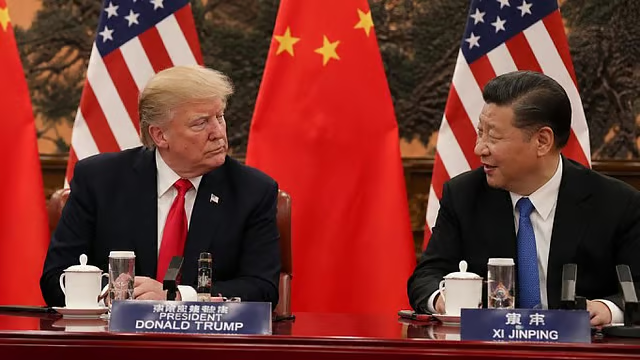
US President Donald Trump and Chinese President Xi Jinping concluded high-level talks in Beijing after two days of meetings dominated by trade negotiations, geopolitical tensions, and sharp disagreements over Taiwan.
The summit, marked by elaborate state ceremonies and symbolic displays of diplomacy, nevertheless exposed deep divisions between the world’s two largest economies, particularly on security issues surrounding Taiwan and ongoing technology restrictions.
During private discussions, Xi warned Trump that mishandling the Taiwan issue could push bilateral relations into “a very dangerous place” and potentially lead to conflict, according to Chinese officials.
Taiwan remains one of the most sensitive flashpoints in US-China relations. Beijing views the self-governed island as part of its territory, while the United States maintains unofficial ties with Taipei and is legally obligated to provide defensive support to the island.
The warning came amid growing tensions over proposed US arms sales to Taiwan, including a potential $14 billion defence package still awaiting approval from the Trump administration. China has repeatedly opposed such moves, describing them as interference in its internal affairs.
Despite the diplomatic friction, both sides sought to project stability and progress in economic relations. Trump said discussions around trade had been productive and highlighted agreements involving Chinese purchases of Boeing aircraft and select American goods. However, analysts noted that the summit produced few major breakthroughs on structural trade disputes or technology export restrictions.
The two countries also discussed the ongoing conflict in Iran, energy security, and freedom of navigation in key maritime trade routes. Trump indicated that China may play a larger role in helping stabilize tensions in the Gulf region.
While both leaders publicly described the summit as constructive, markets appeared cautious over the lack of concrete policy outcomes, particularly on tariffs, semiconductor exports, and supply chain restrictions.
China maintained its position on export controls related to rare earth materials and advanced technologies, while the broader tariff truce between the two countries remains fragile.
Still, the visit carried significant diplomatic symbolism. Trump invited Xi to Washington later this year, signaling both countries’ interest in maintaining high-level engagement despite mounting strategic rivalry.