
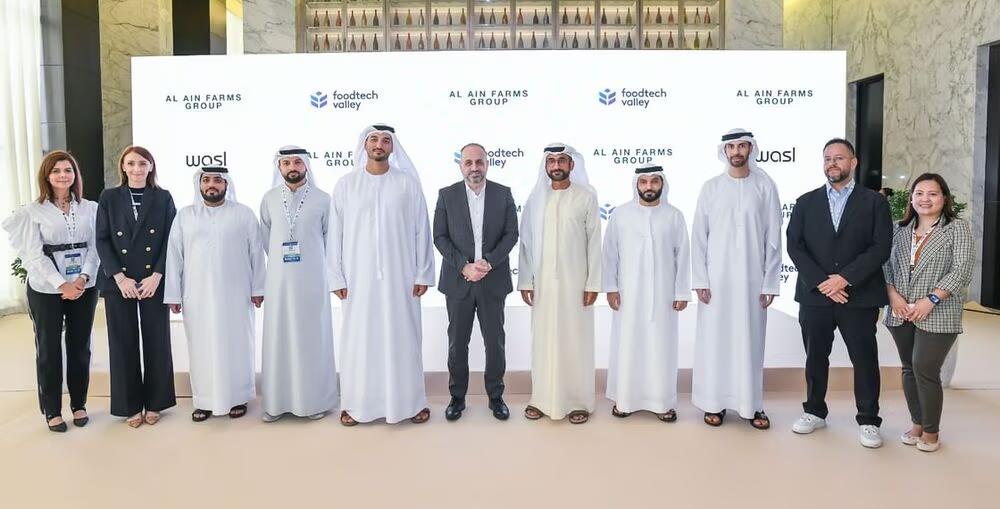
Al Ain Farms Group (AAFG) and Food Tech Valley, Dubai’s government-backed food innovation hub, have signed an agreement to develop a 260,000 sq.ft. logistics centre in Dubai. The new facility aims to enhance the UAE’s food security, accelerate the distribution of fresher food, and support the nation’s Net Zero 2050 goals.
Announced at the Future Food Forum 2025 under the patronage of the Ministry of Economy and Tourism, the logistics hub will enable faster deliveries and improved efficiency, ensuring higher-quality, fresher products. Strategically located, the centre is expected to reduce delivery distances, cut CO₂ emissions by around 2,500 tonnes annually, and lower fleet emissions by up to 35%, supporting the UAE’s sustainability and food security objectives.
“This hub is a testament to the power of strong partnerships in the UAE, driving greater in-country value,” said Hassan Safi, Group CEO of Al Ain Farms Group. “By working together with a local UAE company Food Tech Valley, we are not only delivering fresher food to our consumers faster than ever before but also strengthening the local economy and talent.
“Our collaboration ensures a 33% increase in efficiency across deliveries, while also reducing waste and streamlining delivery. By leveraging the country’s expertise and resources, we are building a sustainable, resilient food system that benefits both our community and our partners. Together, we are laying the foundation for future innovation and long-term growth, fully aligned with the UAE’s vision for a smarter, greener, and more self-reliant future.”
Construction is scheduled to begin in late 2025, with completion expected in Q1 2027. The facility will boost supply chain resilience, generate over 100 jobs in logistics and operations, and incorporate advanced technologies.
Ahmed Al Shaibani, Director of Food Tech Valley, said, “Food Tech Valley was created to drive innovation and sustainability in the UAE’s food ecosystem. This partnership with Al Ain Farms Group reflects our mission to build advanced infrastructure and is a step forward in making our supply chains more efficient, sustainable, and resilient, while also opening the door for new technologies and future collaborations that advance the national food sector security.”
(Inputs from WAM)